
Accommodations in Russia
Accommodation in Russia
Russia feels less like a single destination and more like several very different trips in one country: dense and urban in the west, quieter and more scenic in the northwest, warmer and more relaxed in the south, and much larger and more long-distance further east. For families, that is helpful because you do not have to choose “Russia” as a whole, but rather the right area with manageable distances and a clear travel rhythm.
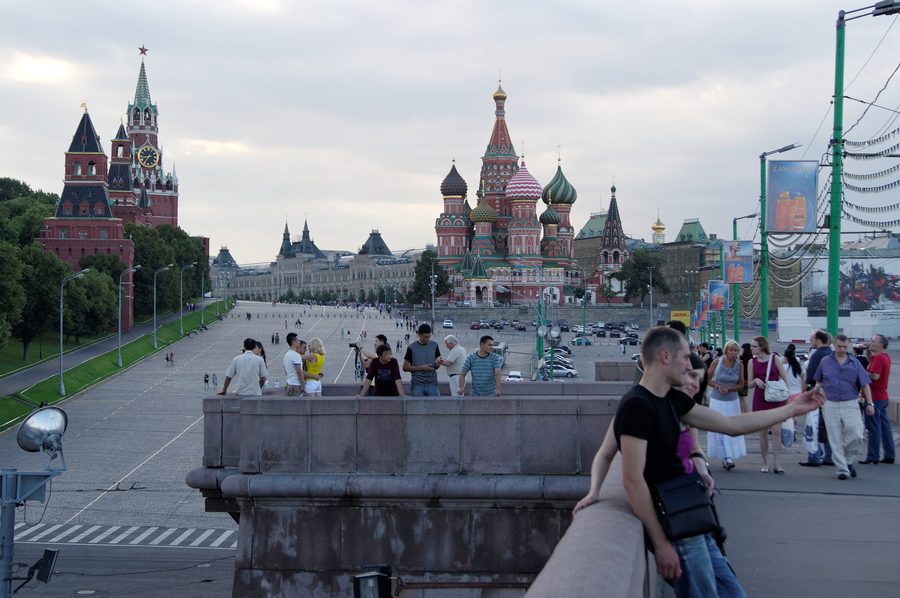
Quick facts
- Russia stretches across Europe and Asia; the western part is more densely populated.
- The trip feels very different depending on the region: metropolis, forest and lake district, southern beach, Siberia, or the Far East.
- A central stay in Moscow reduces transfers; the metro makes everyday travel easier.
- The south is the clearest warm-weather option focused on beaches and resorts in this country overview.
- The northwest stands for quieter nature, lakes, and heritage motifs such as Kizhi on Lake Onega.
Which travel direction suits your family?
If you are travelling with children, it is especially worthwhile in Russia to make a clear choice of focus. Do you want more city and culture, more water and summer, quieter nature, or a big long-distance trip with just a few well-placed bases? That question matters more here than searching for one all-purpose Russia solution.
- For a city- and culture-oriented stay, a central base makes sense because distances remain shorter.
- For warmer, slower days, the south is the obvious choice.
- For quieter nature with lakes and forests, the northwest is a better fit.
- For a deliberately planned major trip, Siberia and the Far East are the right direction, not a quick stopover.
The west and the cities: short distances for a clear start
If you want to read Russia first and foremost as a country of cities with short distances, these pages are a good starting point. Moscow is the best-documented city starting point for a cultural trip, because the main sights are close together and the metro makes everyday life easier.
- Moscow – the strongest city base for culture and short distances.
- St. Petersburg, Kaliningrad Oblast, Leningrad Oblast, Novgorod Oblast – western anchors if you want to compare the city with its surroundings.
- Pskov Oblast, Smolensk Oblast, Tver Oblast, Vladimir Oblast, Vologda Oblast – additional western and more northerly reference points.
- Bryansk Oblast, Ivanovo Oblast, Yaroslavl Oblast, Kaluga Oblast, Kirov Oblast, Kostroma Oblast, Lipetsk Oblast, Oryol Oblast, Ryazan Oblast, Tambov Oblast, Tula Oblast – central and west-central pages if you want a second look at the European part.
The Volga, inland areas, and central regions: when the route should get bigger
Here Russia becomes tangible as a country of the interior: longer distances, clearer stages, and bases that need to fit a particular leg of the journey. This is especially sensible if you do not want to change accommodation every day with children. Instead, an accommodation that fits a region with its own logic is helpful.
- Holiday apartment in Khanty-Mansi Autonomous Okrug, Kurgan Oblast, Holiday apartment in Yamalo-Nenets Autonomous Okrug, Holiday apartment in Taymyr Autonomous Okrug – northern inland and fringe areas where route and base should match.
- Nizhny Novgorod Oblast, Orenburg Oblast, Penza Oblast, Samara Oblast – inland route points if you are looking for a clearly readable base for the wider country region.
- Saratov Oblast, Sverdlovsk Oblast, Tyumen Oblast, Chelyabinsk Oblast, Ulyanovsk Oblast, Volgograd Oblast, Voronezh Oblast – further inland-oriented anchors for a larger radius of movement.
- Perm Region, Republic of Bashkortostan, Republic of Mari El, Republic of Mordovia, Republic of Tatarstan, Republic of Chuvashia, Republic of Udmurtia – additional central and Volga-adjacent pages if you want to choose your own inland region.
The south, coast, steppe, and Caucasus: when warm days matter more
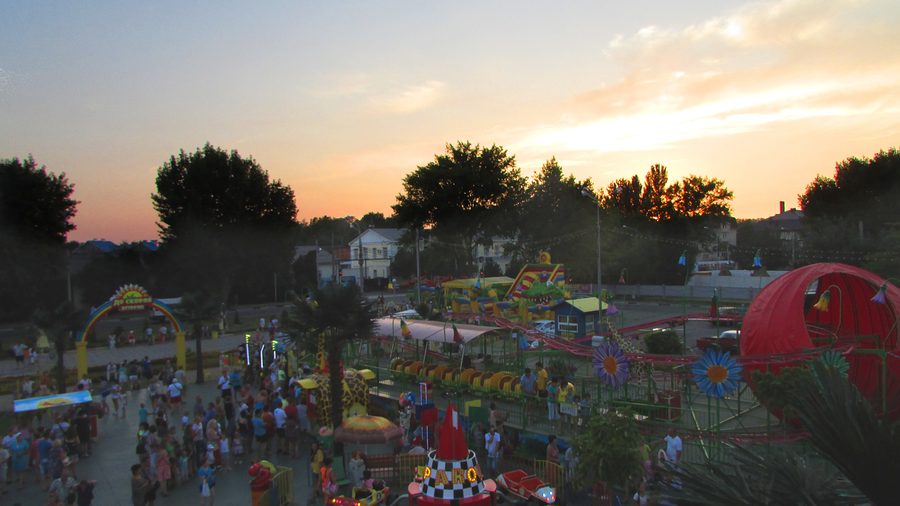
The south is the clearest alternative to a city or inland trip: warmer, slower, and more strongly focused on coast and relaxation. This is a particularly good fit if you are travelling with children and prefer a calmer pace rather than driving to a new stage every day. At the same time, the south also shows cultural diversity, including distinctive traditions in Kalmykia.
- Astrakhan Oblast, Belgorod Oblast, Kursk Oblast, Rostov Oblast – southern entry points for a warmer travel rhythm.
- Krasnodar Region, Stavropol Region, Republic of Adygea, Republic of Dagestan, Republic of Ingushetia, Republic of Kabardino-Balkaria – southern and Caucasus-adjacent pages if you want to read the warm region more broadly.
- Republic of Kalmykia, Republic of Kalmykia, Republic of Karachay-Cherkessia, Republic of Crimea, Republic of North Ossetia-Alania, Republic of Chechnya – more southern pages if you want to compare coast, transition zones, and the Caucasus.
The northwest, taiga, and the Arctic: quieter, wider, and cooler
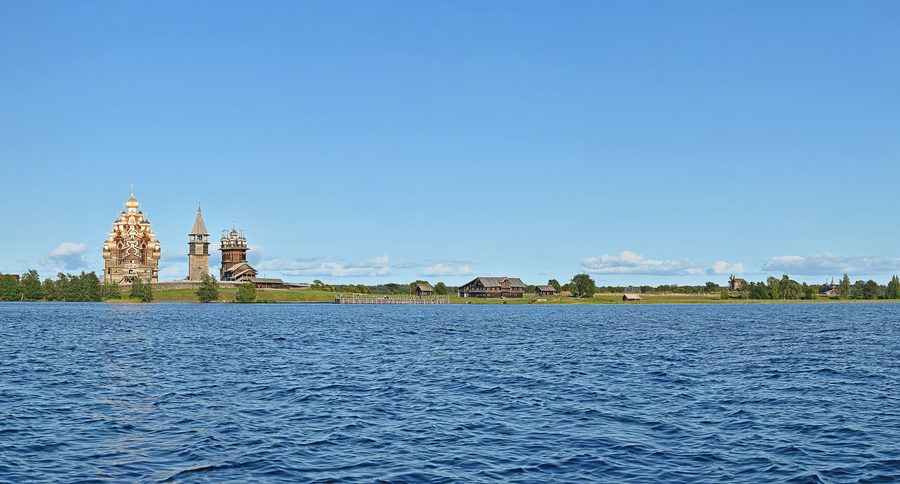
The northwest feels quieter than the south and also less hectic than the major urban corridors. Forests, lakes, and northern regions are the focus here; Kizhi on Lake Onega is a fine image for that. For families, this is attractive if you prefer calmer days and a clearer emphasis on landscape.
- Holiday apartment in Yamalo-Nenets Autonomous Okrug, Holiday apartment in Taymyr Autonomous Okrug, Arkhangelsk Oblast – very northern areas with a lot of space between stages.
- Murmansk Oblast, Republic of Karelia, Komi Republic – the quieter northwest with a sense of lakes, forests, and the far north.
Siberia: large inland regions and longer distances
Siberia is not a quick add-on, but a travel arc of its own. Here you should expect accommodation that fits a few deliberately chosen stages. That makes the stay especially useful if, with children, you would rather explore a clearly defined landscape or inland region than move through several regions in quick succession.
- Irkutsk Oblast, Kemerovo Oblast, Novosibirsk Oblast, Omsk Oblast – important Siberian bases if you are thinking in terms of larger distances.
- Tomsk Oblast, Altai Region, Krasnoyarsk Region, Republic of Buryatia, Republic of Khakassia – more Siberian pages if the trip should become more landscape- and inland-oriented.
The Far East: very far, very independent, and only with a deliberate plan
The Far East is the most distinct long-distance option in the whole country picture. If you travel here, the region itself is the destination. Accommodation should then not be chosen at random, but according to a clearly defined section of your route, because distances shape everyday travel much more strongly than in the western parts of the country.
- Jewish Autonomous Oblast, Amur Oblast, Magadan Oblast, Sakhalin Oblast, Khabarovsk Region – very remote eastern pages for a travel route of their own.
- Kamchatka Region, Primorsky Region, Transbaikal Region, Republic of Sakha (Yakutia), Republic of Tuva – the Far Eastern and very expansive pages that only make sense within a clearly planned long-distance framework.
What this means for accommodation
For Russia, the rule is especially clear: first the region, then the accommodation. A central city location works if you want culture and short distances; in the south, a quieter position makes sense for beach and relaxation days; in the northwest, a nature-oriented location fits well; in Siberia and the Far East, accommodation is part of a deliberately planned stage of the trip.
- City focus: central and located so that distances remain short when travelling with children.
- Summer and coast focus: a clearly southern location with a calmer daily rhythm.
- Nature focus: a location that supports forest, lakes, or northern expanses.
- Long-distance focus: a base that fits one single, well-planned region.
FAQ
Which region is easiest for a first family overview?
Moscow is the clearest documented option because the main sights are concentrated and the metro makes everyday travel easier. If you are looking for more peace, the northwest is a good fit; if you want warm days, the south.
When does Russia become more of a long-distance trip?
As soon as you choose Siberia or the Far East, a deliberately planned route with just a few bases is worthwhile. These regions are not meant for quick changes of location, but for a clearly defined travel corridor.
What makes the northwest interesting for families?
Forests, lakes, and northern landscapes define the northwest; Kizhi on Lake Onega is a good image for that. It is especially suitable if you are looking for calmer days and more of a nature connection.


.jpg)
