
Slovenia: Regions for Families
Accommodation in Slovenia
Slovenia is a destination for families who do not want to choose between mountains, water, caves, cities, and the coast. The Julian Alps and Lake Bohinj, the Soča Valley, the karst landscape in the west, Ljubljana, and the short Adriatic coast offer very different kinds of holiday days. The key question is therefore less about any random location and more about this: should the base focus mainly on nature, water, culture, the coast, or several of these priorities?
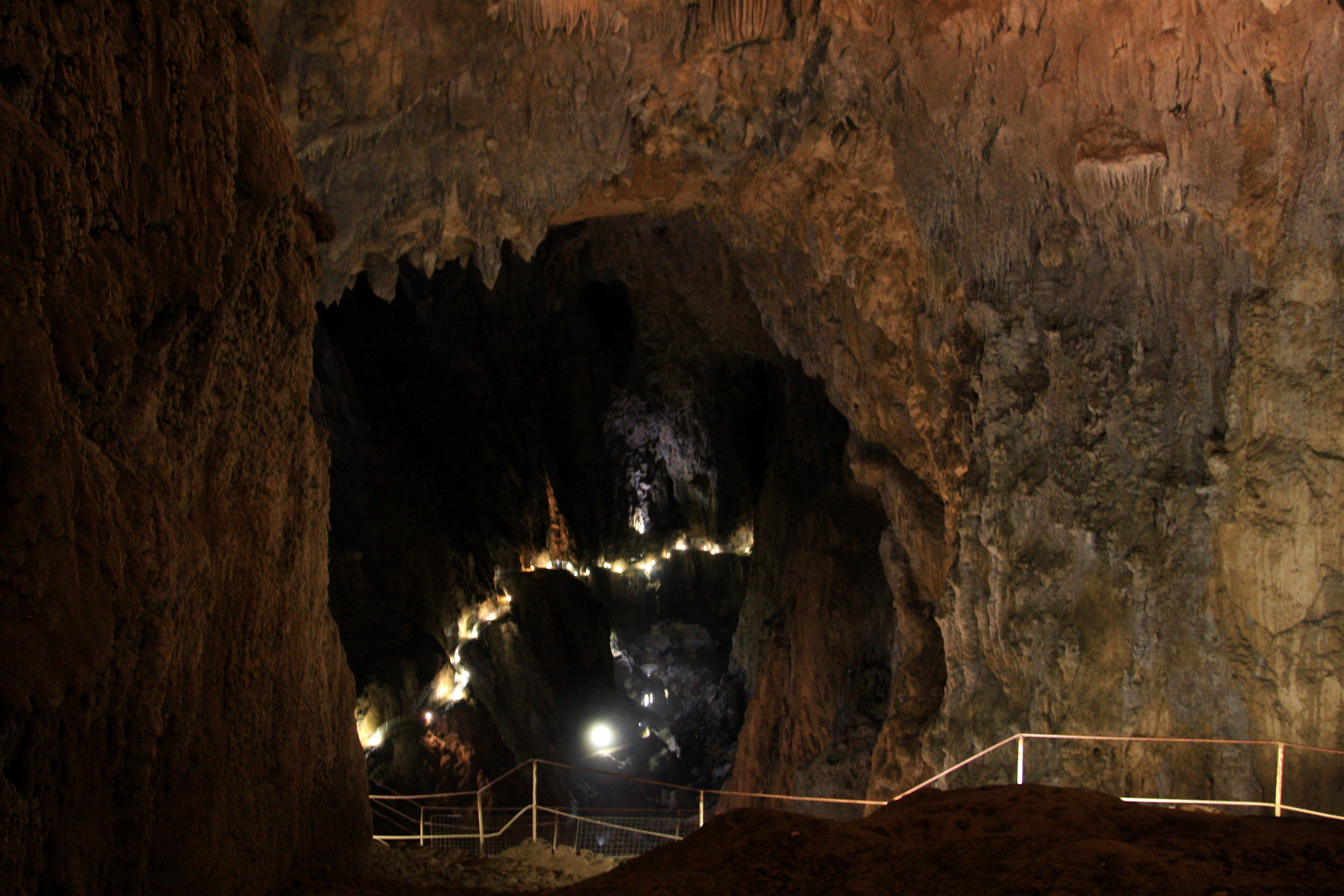 Schlucht im Inneren der Škocjan-Höhlen, einem markanten Karsterlebnis in Slowenien.
Photo: TravelingOtter via Wikimedia Commons, CC BY 2.0
Schlucht im Inneren der Škocjan-Höhlen, einem markanten Karsterlebnis in Slowenien.
Photo: TravelingOtter via Wikimedia Commons, CC BY 2.0
Brief & good
- Slovenia combines alpine landscapes, karst, the Adriatic coast, and a Pannonian-influenced inland.
- The Julian Alps, Lake Bohinj, Triglav National Park, and the Soča Valley stand for mountain, lake, and river landscapes.
- Postojna and Škocjan showcase the country’s characteristic karst and cave world.
- Piran, Koper, and Izola give the trip a Mediterranean coastal and urban accent.
- Ljubljana adds city exploring and the castle as a cultural highlight to nature days.
- Slovenian cuisine blends alpine, Mediterranean, and Pannonian influences; wine regions are also part of the regional culinary appeal.
Mountains, lakes, and river valleys
In the northwest, the strongest natural contrast of mountains, water, and river landscapes can be found. The Julian Alps, Lake Bohinj, Triglav National Park, and the Soča Valley are ideal for a holiday where walks, mountain views, and days by the water can bring different family interests together. If this is your main focus, it makes sense to choose a base in or near this alpine, lake-rich experience area. That way, the day plan stays centered on scenery and movement instead of treating the nature part only as an excursion from a city or coastal base.
For this alpine focus, the following places are suitable: Dravograd, Jesenice, Kamnik, Kranj, Laško, Mozirje, Radovljica, Ravne na Koroškem, Škofja Loka, Slovenj Gradec, Tolmin, and Tržič.
Karst, caves, and the Adriatic coast
Western Slovenia changes the travel picture noticeably. Karst and caves form a strong contrast to open lake and mountain scenery; Postojna and Škocjan are striking examples of this natural experience. The Adriatic coast, in turn, emphasizes water, historic places, and a Mediterranean character. Piran, Koper, and Izola can therefore be attractive for families who want to combine city walks and coastal atmosphere with a different landscape focus.
A coastal or karst-near location is especially suitable if the holiday is meant to be shaped by the sea, caves, and historic coastal towns. For this western selection, the following places are available: Ajdovščina, Idrija, Ilirska Bistrica, Izola, Koper, Logatec, Nova Gorica, Piran, Postojna, Radlje Ob Dravi, Sežana, and Vrhnika.
City, culture, and eastern culinary landscapes
Ljubljana adds an urban cultural element to the travel plan. The capital and Ljubljana Castle stand for city exploring and a daily rhythm that clearly differs from mountain, cave, or coastal days. A city-oriented base can therefore make sense if culture is a separate focus or if the trip is deliberately beginning or ending with a city stay.
In the eastern and northeastern inland areas, Slovenia can be experienced from a quieter culinary and landscape perspective. The cuisine is generally shaped by alpine, Mediterranean, and Pannonian influences; wine regions are also part of the regional culinary appeal. Specific dishes or products should be chosen on site according to the respective region. If self-catering is part of your travel plan, a cooking facility can be a sensible selection criterion, but it should not be assumed.
As central options, you can consider Domžale, Grosuplje, Laibach, Litija, Novo Mesto, Trebnje, and Zagorje Ob Savi. Eastern and northeastern options include Brežice, Celje, Gornja Radgona, Lenart, Lendava, Ljutomer, Maribor, Murska Sobota, Ormož, Pesnica, Ptuj, Ruše, Russe, Šentjur Pri Celju, Slovenska Bistrica, Slovenske Konjice, Šmarje Pri Jelšah, Velenje, and Žalec.
Choosing the base by travel profile
For a clear focus on mountains, lakes, karst, or the coast, a location close to the relevant experience area is the more coherent starting point. Ljubljana, by contrast, suits a city-culture component. If you want to combine very different parts of the country, you can consider several locations as planning options; this does not imply a fixed number of changes or a general round-trip recommendation. When choosing, also pay close attention to the location if self-catering, peace, mobility, weather flexibility, or the needs of children of different ages are important.
Additional southern and southeastern location options include Cerknica, Črnomelj, Hrastnik, Kočevje, Krško, Metlika, Ribnica, Sevnica, Trbovlje, and Videm.
Frequently asked questions about Slovenia
What makes Slovenia especially versatile as a travel destination?
Mountains, lakes, rivers, karst, caves, the Adriatic coast, Ljubljana, and eastern inland areas create very different travel profiles. This allows nature, culture, water, and food to be weighted according to your family’s interests.
Which region is better for mountains, water, caves, or the coast?
The Julian Alps, Bohinj, and the Soča Valley stand for mountains, lakes, and rivers. Postojna and Škocjan illustrate karst and caves, while Piran, Koper, and Izola represent the Adriatic coast.
Is a single base or several locations more practical?
A single base suits a clearly defined experience area. Several locations can be an option if very different parts of the country are to be combined. The decision depends on your preferred focus and travel pace.

.jpg)