
Holiday apartment in Rome
Accommodation in Rome
Rome is more than a city break: between ancient buildings, religious sites, museums, and everyday life, a varied surroundings opens up with villages, lakes, parks, hills, Apennine landscapes, and the coast. For families, the first question is therefore which mix should shape the holiday: intensive culture in the city, varied excursions, or a calmer rhythm between countryside and sea.
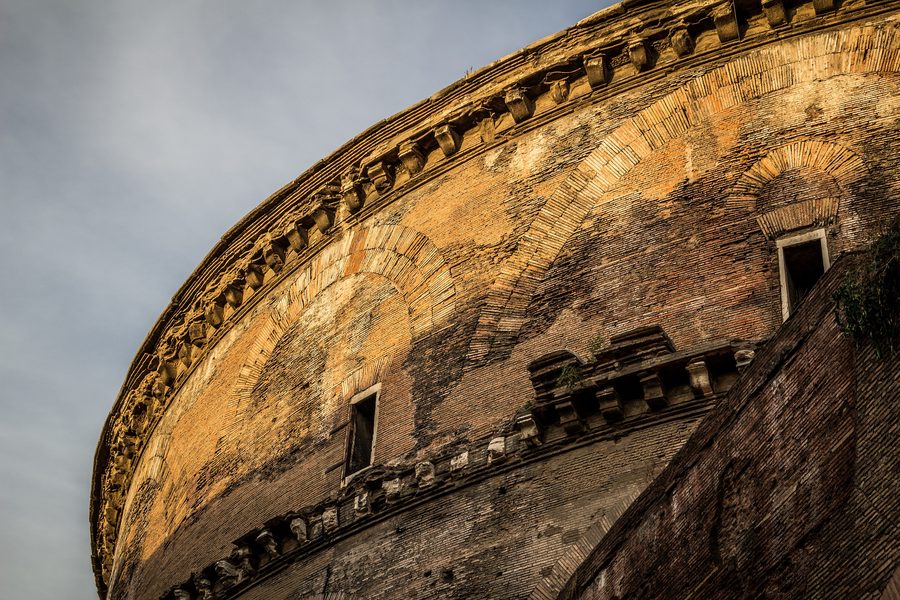 Das Pantheon steht exemplarisch für Roms antike Architektur.
Photo: Dietmar Rabich via Wikimedia Commons, CC BY-SA 4.0
Das Pantheon steht exemplarisch für Roms antike Architektur.
Photo: Dietmar Rabich via Wikimedia Commons, CC BY-SA 4.0
Quick facts about Rome and the surrounding area
- Character: an urban cultural metropolis with ancient history, museums, and lively city life
- Surroundings: villages, historic excursion destinations, lakes, parks, hills, the Apennines, and the coast are part of the wider area of experience
- Special architectural detail: In the Pantheon, light falls through the oculus in the dome.
- Regional tradition: Springs and baths are part of the regional traditions of Lazio.
Ancient architecture and lively city life
In Rome, ancient buildings, religious culture, museums, and everyday life do not exist in separate travel worlds. It is precisely this connection that makes the city interesting for families: a historical discovery can be followed by a walk through a lively neighborhood, a break outdoors, or a shared meal. The result is not just a list of sights, but a trip in which different interests have space side by side.
The Pantheon illustrates how a specific architectural detail can enrich a visit: light falls into the monumental dome through the oculus. Details like this give children and adults a tangible way to connect with Rome’s history. For a culture-focused trip, it is worth not planning visits too tightly and taking the whole family’s stamina into account. Comfortable shoes, planned breaks, and a mix of indoor and outdoor spaces help support a flexible daily rhythm.
From a city visit to lakes, hills, and the coast
The countryside around Rome broadens the trip to include historic places, villages, parks, lakes, and the sea. Inland, hill and Apennine landscapes differ clearly from the dense urban backdrop of Rome. On the coast, a different travel character emerges again with open landscapes. These regional contrasts do not allow for any ranking of individual places or any blanket statement about suitability for specific age groups.
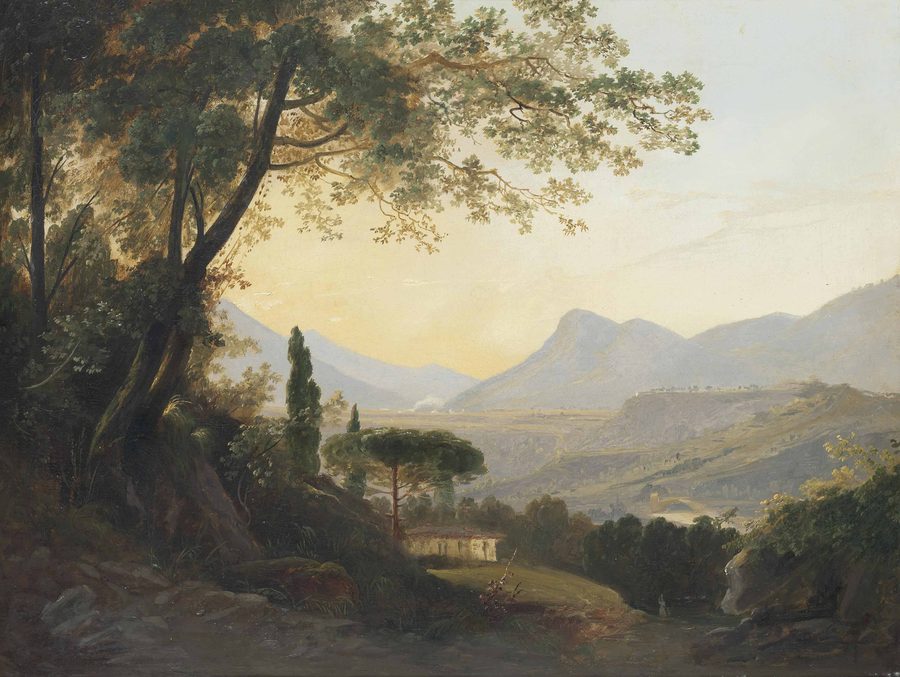
This opens up several travel ideas. If you mainly want to experience ancient, religious, and urban culture, you can plan Rome as a standalone city focus. If you want to give more weight to landscape and relaxation, also look at the surrounding area with lakes, parks, villages, hills, or the coast. A third option combines culture-intensive days with regional excursions without committing the entire trip to just one area of experience.
Which base suits your travel plan?
A city-oriented base is especially worth considering when Rome itself is the main focus with ancient buildings, museums, religious sites, and city life. A base in the wider surroundings is an alternative when villages, lakes, parks, hills, or the coast are meant to make up a larger part of the holiday. Which location makes sense depends on the specific travel plan; no general recommendation for a district or place can be derived from that.
If several regional destinations are planned, you should check the actual transport connections and the daily strain on your family before booking. The range of destinations is broad, but their concrete accessibility from any individual accommodation is not automatically guaranteed. The choice between public transport, car, or a mixed plan should therefore also be guided by the excursions you intend to make, rather than assumed in advance.
For families, the daily rhythm is also an important accommodation criterion. Intensive city days place different demands on breaks and organization than a mix of culture, nature, and relaxation. You should therefore check whether a central location or a regional starting point better suits your planned days and what options for retreat, self-catering, and spontaneous changes you personally need.
Season and flexible daily planning
In warm months, families should plan breaks and weather-flexible activities. Outdoor areas, fountains, and destinations near the coast can then play a role; in less suitable weather, museums and other cultural offerings remain important alternatives. Current weather conditions, opening hours, and visitor numbers should always be checked separately. An accommodation location that matches the desired mix of city, indoor attractions, countryside, and coast makes daily replanning easier.
Enjoyment and relaxation are also part of a trip to Rome. Shared meals, local impressions, and the bathing and spring tradition of Lazio can balance out days of sightseeing. No specific facilities, prices, or opening hours are associated with this; they should be checked up to date before a visit.
Discover places in the Roman hinterland
Around Rome, you will find holiday accommodation in the following places: Albano Laziale, Allumiere, Anguillara Sabazia, Anticoli Corrado, Anzio, Aranova, Ardea, Ariccia, Arsoli, Artena, Bagni Di Stigliano, Bellegra, Borgo Santa Rita, Bracciano, Campagnano Di Roma, Campo Jemini, Canale Monterano, Canterano, Capena, Carpineto Romano, Casaccia, Casalotti, Castagnola, Castel Di Guido, Castel Di Leva, Castel Gandolfo, Castel Giuliano, Castel Madama, Castel San Pietro Romano, Castelnuovo Di Porto, Castelverde, Cave, Cecchina, Cervara Di Roma, Cerveteri, Cesano, Ciampino, Ciciliano, Cineto Romano, Civitavecchia, Civitella San Paolo, Colle di Fuori, Colleferro, Falcognana, Fiano Romano, Finocchio, Fiumicino, Fonte Nuova, Formello, Frascati, Frattocchie, Fregene, Gallicano Nel Lazio, Gavignano, Genzano Di Roma, Gerano, Grottaferrata, Guidonia Montecelio, Isola Farnese, La Giustiniana, La Massimina-casal Lumbroso, La Pisana, La Storta, Labico, Ladispoli, Lanuvio, Lariano, Lavinio Lido Di Enea, Lido Dei Pini, Lido Di Castel Fusano, Lido Di Ostia, Maccarese, Manziana, Marcellina, Marco Simone, Marina Di Ardea, Marina Di Cerveteri, Marino, Mazzano Romano, Mentana, Monte Compatri, Monte Porzio Catone, Montelanico, Montelibretti, Monterotondo, Moricone, Morlupo, Nazzano, Nemi, Nerola, Nettuno, Olevano Romano, Osteria Dell'osa, Osteria Nuova, Ottavia, Palestrina, Palidoro, Palombara Sabina, Passo Oscuro, Pavona, Pisciarelli, Pisoniano, Poli, Pomezia, Ponte Galeria, Ponzano Romano, Prima Porta, Riano, Rignano Flaminio, Rocca Di Papa, Rocca Priora, Roccagiovine, Rome, Sacrofano, San Cesareo, San Gregorio Da Sassola, San Polo Dei Cavalieri, San Vito Romano, Sant'oreste, Santa Lucia, Santa Maria Di Galeria, Santa Marinella, Santa Marta, Santa Severa, Saracinesco, Sasso, Segni, Settecamini, Spinaceto, Subiaco, Tivoli, Tivoli Terme, Tolfa, Tor San Lorenzo, Tor Vergata, Torre Gaia, Torre Maura, Torrimpietra, Torrita Tiberina, Torvaianica, Tragliata, Tragliatella Campitello, Tre Pontoni, Trevignano Romano, Valmontone, Velletri, Villaggio Azzurro, Villanova, Vitinia, and Zagarolo.
Frequently asked questions about Rome
What makes Rome special as a family destination?
Rome combines ancient and religious culture, museums, and city life with a regional setting of villages, lakes, parks, and the coast. This makes it possible to combine a pure city break with additional landscape experiences.
Which landscapes can be planned around Rome?
Depending on the type of trip, hills, Apennine landscapes, lakes, parks, historic villages, and the coast can be added as different areas of experience.
How can a trip to Rome be planned for different family needs?
Culture and city days can be combined with excursions into countryside areas or to the coast, as well as weather-flexible indoor and outdoor activities.
For a broader overview and a comparison with other areas of the region, continue to Lazio. Further regional orientation is also provided by Discover Lazio.

,_Pantheon_--_2013_--_3572.jpg)
_-_Subiaco_in_Latium,_nahe_Rom,_Italien.jpg)
