
Vacation rentals in Washington
Accommodation in Washington
Washington is a destination with a striking mix of city, forest, wine country, and quiet stretches of coast. The Cascades roughly divide the state into a wetter west and a drier east with a very different landscape. For visitors, Seattle, Mount Rainier, islands, mountains, wine country, and river landscapes shape the image of the state. This is especially important for families, because Washington enables very different kinds of holiday days depending on the region. Anyone who wants to combine city time and excursions has different priorities from someone looking for water, ferries, or an inland-oriented base.
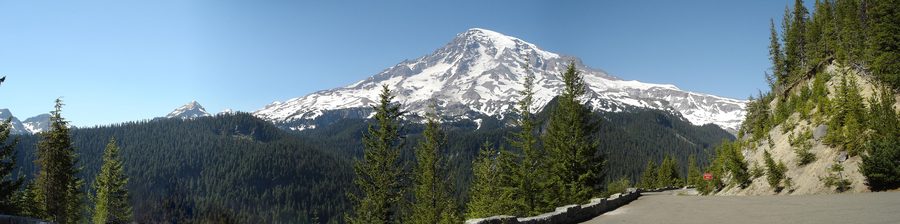 Mount Rainier rising above the forests and ridges of Mount Rainier National Park.
Photo: User:Deathgleaner , stitched by User:Richardprins , Retouched by User:Mmxx via Source, Public domain
Mount Rainier rising above the forests and ridges of Mount Rainier National Park.
Photo: User:Deathgleaner , stitched by User:Richardprins , Retouched by User:Mmxx via Source, Public domain
Quick facts about Washington
- The Cascades roughly divide the state into a wetter west and a drier east with a very different landscape.
- Seattle, Mount Rainier, islands, mountains, wine country, and river landscapes shape the visitor image.
- Washington is usually busiest in summer; spring and autumn can feel quieter.
- Ferry planning is important for island trips in Washington.
- For families, Washington can combine city, water, and easy nature experiences very well.
- The east brings cities like Spokane and Walla Walla as well as wine and river landscapes into the picture.
Seattle and Puget Sound: ideal if you want to mix city time and excursions
Seattle and Puget Sound are especially suitable if you see time in the city not as the opposite of nature, but as part of the same trip. Within this setting, you can combine culture and day trips without needing several different places to stay. For families, that is pleasant if you prefer a clear rhythm and do not want to pack up every day.
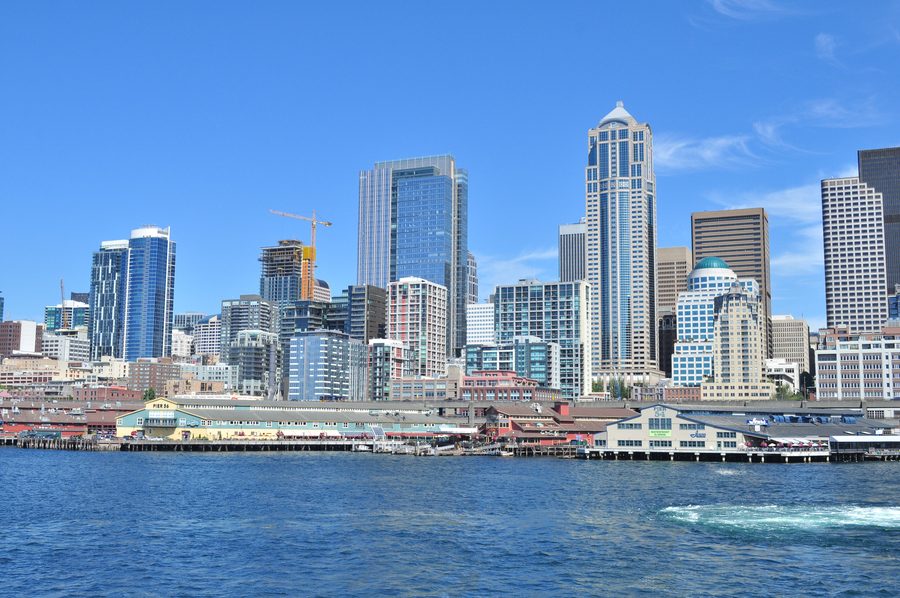
A location in the Seattle/Puget Sound area is a good fit if you want to combine city, culture, and day trips; for a stronger sense of landscape, the coast, islands, and mountains offer the clearer focus. This part of Washington is therefore not just an arrival point, but a travel style of its own: urban, easy to combine, and often straightforward for a mixed family holiday.
This western city-and-excursion zone includes Adams County, Castle Rock, Clark, Cowlitz, King, Lewis, Pierce, Snohomish and Thurston County.
If you choose this group, the goal is less to plan as many changes of location as possible and more to keep travel distances short and days varied. For travelers who prefer a fixed base, this is often the simplest Washington solution.
Islands, coast, and the northwest: when water and maritime days set the tone
The islands, coast, and northwest are more focused on water, ferries, and a sense of nature. These places work best when the journey itself is part of the holiday and you do not expect to combine everything with minimal effort. Since island trips in Washington should factor in ferry planning, this choice is especially suitable if you want to build a bit more buffer into the daily schedule.
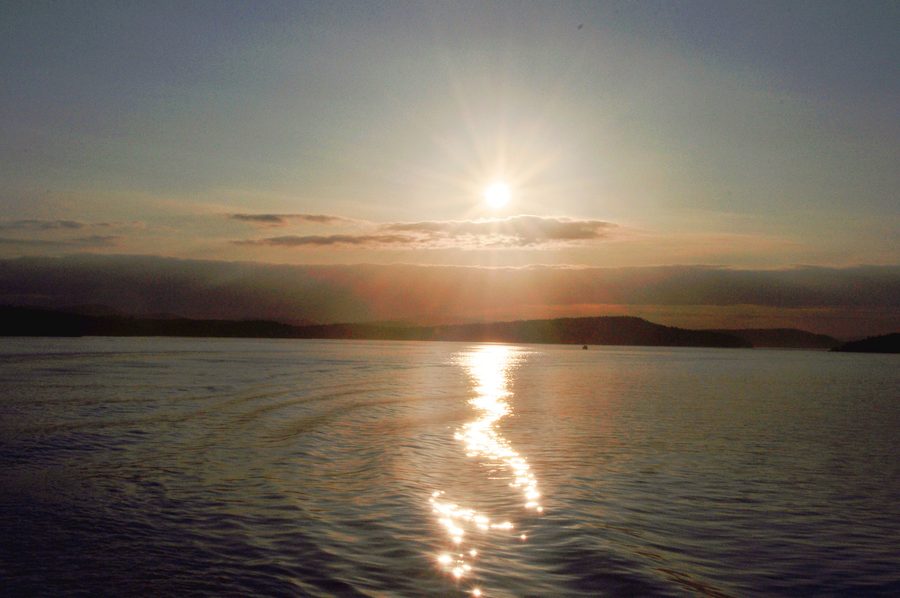
Anyone staying on the islands should keep the ferry factor and the seasonally higher demand in mind; that makes spontaneous changes of location more difficult. For families, this can be a good part of the trip as long as you do not plan too tightly. Especially in high season, the location of your accommodation is particularly important here, because water and crossings shape the day.
This coastal, island, and northwest zone includes Clallam County, Grays Harbor County, Island County, Jefferson County, Kitsap, Mason County, Pacific County, San Juan County, Skagit County, Skamania and Whatcom.
Here, the location of the accommodation is especially important because water and crossings shape the daily routine. Anyone wanting to experience Washington in this way gets a very distinctive side of the state: quieter, more weather-dependent in the daily rhythm, and strongly shaped by the connection between land and water.
Eastern Washington and inland routes: when you are looking for drier days and wide-open spaces
East of the Cascades, Washington becomes drier and noticeably more agricultural. If you want a road trip with more space, wine landscapes, and river scenery, you will find a different atmosphere here than on the coast. This is appealing if you do not mind longer drives and prefer open landscapes to frequent changes of location.
Cities like Spokane and Walla Walla show that the east is not just transit territory, but a travel setting in its own right. For families or couples with a calmer daily rhythm, that can be appealing because the trip is shaped less by ferry schedules and more by the road and the landscape. The east is therefore especially strong if you want a clearly inland-oriented profile.
This eastern and inland-oriented zone includes Asotin, Benton, Chelan County, Douglas County, Franklin County, Grant County, Kittitas County, Klickitat County, Okanogan, Spokane, Stevens County, Walla Walla, Whitman County and Yakima.
What matters most here is whether wide-open spaces, a drier climate, and road-trip character should define the holiday. This is the right counterbalance to Seattle and the western areas if you would rather focus on agricultural regions, river landscapes, and a more open road profile.
How to choose the right base in Washington
The most important decision is therefore not only: what do you want to see? But also: how much movement suits your holiday? West of the Cascades, Washington is more coastal, green, and often wetter; east of them it becomes drier, broader, and more agricultural. A location in the Seattle/Puget Sound area is a good fit if you want to combine city, culture, and day trips; for a stronger sense of landscape, the coast, islands, and mountains offer the clearer focus.
For island destinations, it is especially worthwhile to factor in ferry planning and seasonally higher demand. Washington is usually busiest in summer; spring and autumn can feel quieter. This is not an invitation to label one season as universally better or worse, but a reminder that Washington works differently depending on the region and month.
Washington is suitable for mixed family trips, but the strongest experiences are often spread across different subregions; a single base does not automatically cover everything. If you do not want to change locations several times, it is better to choose the base that covers the most important part of your trip. A good accommodation here is above all one that matches your focus and reduces unnecessary detours.
If you want to place Washington in comparison with other destinations in the USA, the overview leads you to accommodation in the USA.
Frequently asked questions about Washington
What makes Washington special as a travel destination?
Washington combines cities, forests, wine landscapes, islands, mountains, and quiet coastal stretches. It is exactly this mix that makes the state interesting for many travelers.
Should you choose west or east for Washington?
West of the Cascades, Washington is more coastal, green, and often wetter; east of them it becomes drier, broader, and more agricultural.
When is Washington best for a family holiday?
Washington is usually busiest in summer; spring and autumn can feel quieter. For island and ferry plans, that means more calm in the shoulder season, but also more flexibility in the daily schedule.
Is Washington suitable for a mix of city and nature?
Yes, Washington can combine time in Seattle with nature experiences such as islands, water, and national parks.


.jpg)