
Accommodation in USA
 Die Bixby Creek Bridge bei Big Sur steht für die dramatische Pazifikküste Kaliforniens.
Photo: Diliff via Wikimedia Commons, CC BY-SA 3.0
Die Bixby Creek Bridge bei Big Sur steht für die dramatische Pazifikküste Kaliforniens.
Photo: Diliff via Wikimedia Commons, CC BY-SA 3.0
The USA can feel less like a single holiday destination on a trip and more like a series of very different travel impressions: East Coast cities, the California coast, national park and desert landscapes in the West, the culture of the South, and a separate island stay in Hawaii all lead to very different experiences. For families, it is therefore worth deciding first which mix of city, nature, water, culture, and quiet days they want, and only then looking for accommodation.
Quick & good
- Cities, coasts, national park regions, and Southern culture each stand for different travel ideas.
- The California coast and the national park landscapes of the West show especially different scenery.
- Regional cuisine also makes the USA varied in culinary terms: California combines Asian and Mediterranean influences, while Louisiana is known for Cajun cuisine.
- In Southern cooking, rice, corn, and poultry play a role, among other ingredients.
- The National Park Service Junior Ranger program combines nature, history, and wildlife with age-appropriate tasks for children.
- Trip type, duration, and region should be planned together: a compact city break follows a different logic than a wide-ranging nature route.
Which USA trip suits your family?
Anyone looking for urban impressions can base the trip around a city or a concentrated Atlantic region. Coastal trips set different accents from excursions into nature and national park regions; an island stay in Hawaii, by contrast, is a travel profile of its own. Culture and cuisine can also help with the choice. Out of the country’s large geographical variety, this creates a manageable first decision: do you want to discover museums, neighborhoods, and cultural sites together, experience landscapes, spend time by the water, or plan a route with changing natural scenery?
For children of different ages, a day in nature can become especially vivid if it is not limited to viewpoints. The Junior Ranger program offers tasks related to nature, history, and wildlife; at many places managed by the National Park Service, a swearing-in as a Junior Ranger may be part of the experience after completion. Before your visit, check the specific format in place at the destination. This makes it possible to combine an active day with a calmer phase without overloading the whole stay with activities spread too far apart.
Coast, city, nature, or island?
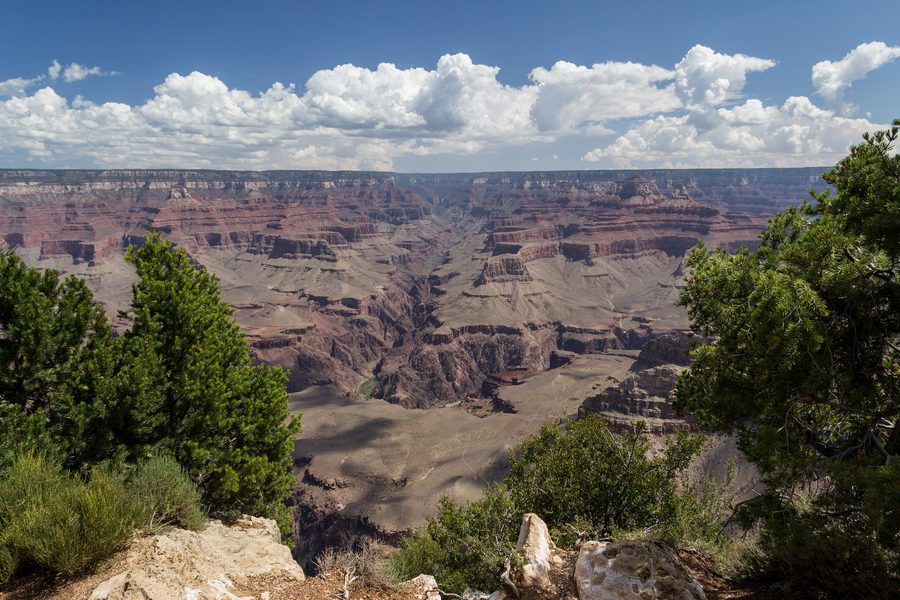
The travel images can be used well as a decision aid. East Coast cities combine urban experiences with culture and history. The California coast serves as an example of a trip where coastal scenery, cities, and regional cuisine come together. In the West and Southwest, national park and desert areas shape a more nature-focused trip. In the South, distinctive music, culture, and culinary traditions stand out. Hawaii represents an island stay that should not simply be treated as a variation of a mainland route.
When time is limited, a city or compact region may be better suited to a concentrated stay than a broad round trip. Those who want to combine several nature destinations, on the other hand, are more likely to plan with changing stops. This is not a hard rule, but it helps keep the day-to-day schedule realistic: a fixed base supports a stay with only a few spatially concentrated destinations, while a large-scale nature route tends to suggest several overnight locations as its planning logic.
Regional cuisine as part of the trip
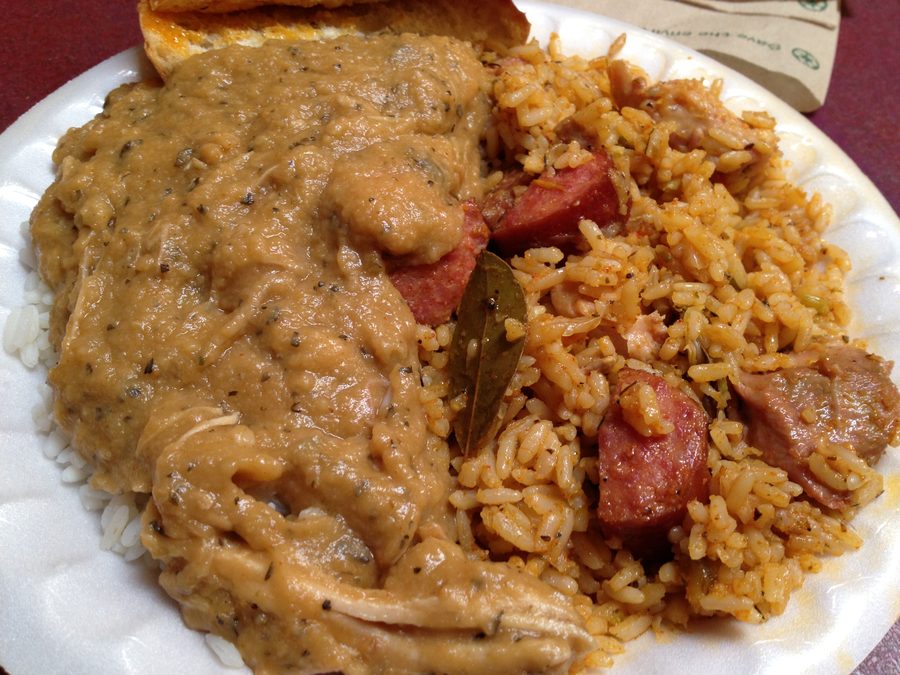
Food also shows that the USA cannot be reduced to a single culinary story. Its cuisine has been shaped by immigration as well as by the geographic and climatic conditions of different parts of the country. In California, Asian and Mediterranean influences come together; fish, seafood, and vegetables are among the culinary reference points mentioned. Southern cuisine often works with rice, corn, and poultry. Louisiana adds a particularly clear example with its spicy Cajun cooking.
For families, these regional differences can become small shared discoveries along the way. Anyone who wants to plan culinary impressions deliberately should choose a region and a lodging base from which meals and other experiences in the selected area fit together. Specific accommodation features are left open; what matters first is the character of the trip.
Choose the accommodation base to match the travel plan
For a city trip or a compact regional trip, a fixed base can make sense when only a few destinations define the stay. For a national park or large-scale road trip, a sequence of several stops is usually a better fit for moving through different landscapes. A longer stay in a chosen region also leaves room to experience regional cuisine, nature, and culture not only in a tightly scheduled day program. Whether an apartment, holiday home, or hotel is the right choice depends on your specific itinerary, your preference for self-catering, and the level of mobility you want; no single accommodation type can be claimed as generally superior for the whole country.
So first choose the broad region and the travel style: city base, coastal stay, nature trip, island stay, culture-and-gastronomy trip, or road trip. Then check the exact location of the accommodation if short distances to planned activities, a quiet environment, or a specific form of mobility are important for your family.
Regions for further travel planning
The regional overview organizes the available destinations by travel profile and makes the next planning step easy to follow.
Northeast, New England, and Atlantic region
In the Northeast and along the Atlantic, the urban centers of New York and District Of Columbia sit alongside the New England states of Maine, Massachusetts, New Hampshire, Rhode Island, and Vermont. In addition, Connecticut, Delaware, Maryland, New Jersey, and Pennsylvania belong to this selection: Connecticut, Delaware, District Of Columbia, Maine, Maryland, Massachusetts, New England, New Hampshire, New Jersey, New York, Pennsylvania, Rhode Island and Vermont.
Southeast and southern Atlantic coast
The southern Atlantic region stretches from Alabama and Georgia through Florida, North Carolina, South Carolina, and Virginia to Kentucky and West Virginia. The matching regional pages are Alabama, Florida, Georgia, Kentucky, North Carolina, South Carolina, Tennessee, Virginia and West Virginia.
South and Gulf region
Louisiana offers a striking culinary example of the South with Cajun cuisine; the selection is complemented by Arkansas, Mississippi, Missouri, Oklahoma, and Texas: Arkansas, Louisiana, Mississippi, Missouri, Oklahoma and Texas.
Great Lakes and Midwest
The inland and Great Lakes selection includes Illinois, Indiana, Iowa, Michigan, Minnesota, Ohio and Wisconsin.
Plains and Rocky Mountains
Between the Great Plains and the Rocky Mountains lie Colorado, Idaho, Kansas, Montana, Nebraska, North Dakota, South Dakota, Utah and Wyoming; in the overview they stand for expansive inland and nature-oriented profiles.
Southwest and California
Distinctive landscape and coastal trips lead to Arizona, California, Nevada, and New Mexico. As a culinary example, California combines Asian and Mediterranean influences.
Pacific, Alaska, and Hawaii
On the Pacific coast and in the island and northern profile are Alaska, Hawaii, Oregon, and Washington.
Questions about a USA trip
What distinguishes a USA trip to cities, the coast, or national park regions?
City trips focus on urban and cultural experiences, coastal trips on landscape and water, while national park regions can combine nature experiences with a more flexible travel plan.
Can a national park visit be more for children than just a viewpoint?
Yes. The Junior Ranger program combines tasks related to nature, history, and wildlife with the park visit. The specific offerings may vary from place to place.
What role does regional cuisine play when choosing a USA region?
It adds concrete discoveries to landscapes and cities: Californian cuisine, Southern cuisine, and Cajun cuisine in Louisiana set different culinary accents.
When is a fixed accommodation base better, and when is a route with several stops better?
A fixed base can suit a city or a geographically concentrated region. A route with several stops is more in line with a trip that connects widely distributed nature destinations.


,_South_Rim_nahe_Tusayan_--_2012_--_5895.jpg)
