
Vacation apartment on Hawaiʻi Island
Accommodation in Hawaii
Hawaiʻi Island, also called the Big Island, is the youngest and largest island in the Hawaiian chain. Across a large area, volcanic landscapes, coastlines, and different habitats alternate. For trip planning, this variety means nature experiences, beach days, and insights into agriculture and local products can be combined – but they require a deliberately chosen base.
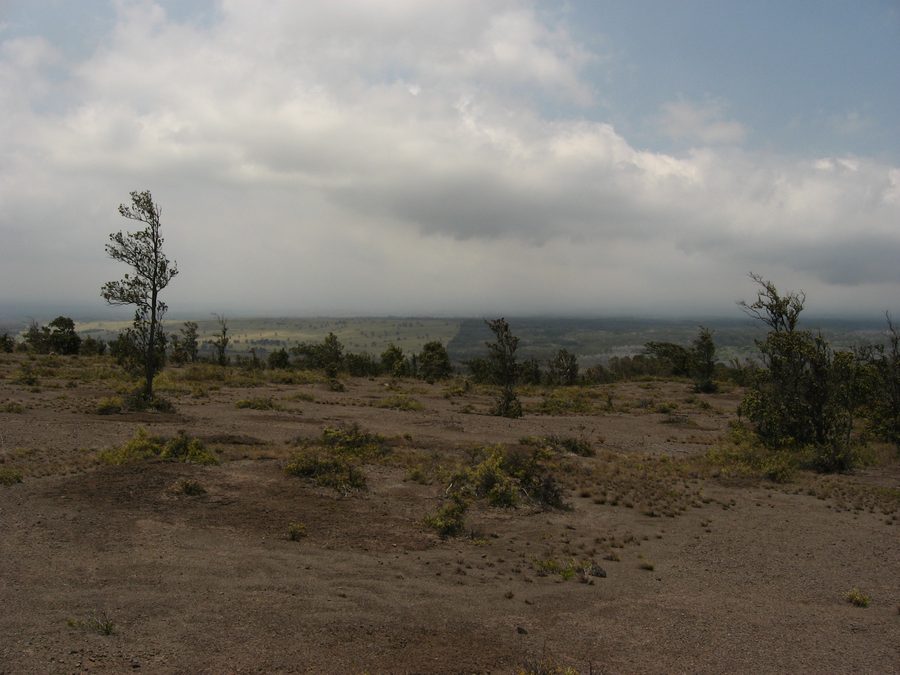 Vulkanische Landschaft im Hawaiʻi Volcanoes National Park auf Hawaiʻi Island
Photo: Ken Lund from Reno, Nevada, USA via Source, CC BY-SA 2.0
Vulkanische Landschaft im Hawaiʻi Volcanoes National Park auf Hawaiʻi Island
Photo: Ken Lund from Reno, Nevada, USA via Source, CC BY-SA 2.0
Photo: Ken Lund from Reno, Nevada, USA, CC BY-SA 2.0
Quick facts about Hawaiʻi Island
- Hawaiʻi Island is the youngest and largest island in the Hawaiian chain.
- The island combines a wide range of landscapes and habitats across a large area.
- Key natural highlights include Hawaiʻi Volcanoes National Park and the volcano Kīlauea.
- Weather conditions can change significantly – from rain on the wetter side to cold and possible snow at higher elevations.
- Black sand beaches are among the island’s standout landscape experiences.
Volcanoes, coastlines, and surprising landscape contrasts
The volcanic character is an essential part of Hawaiʻi Island’s identity. Hawaiʻi Volcanoes National Park and Kīlauea represent a landscape that differs markedly from a classic purely coastal holiday. Secondary travel information also describes lava tubes and crater areas as geological experience spaces. Current lava activity, access, or opening conditions cannot be inferred from this and should be checked separately before a visit.
In addition, coastal landscapes, tropical habitats, and black sand beaches shape the picture. A black beach is above all a striking landscape impression, not a general recommendation for swimming or snorkeling. For your trip planning, this creates a sensible basic decision: should the focus be on coastal and beach experiences, on volcanic nature, or on a mix of both?
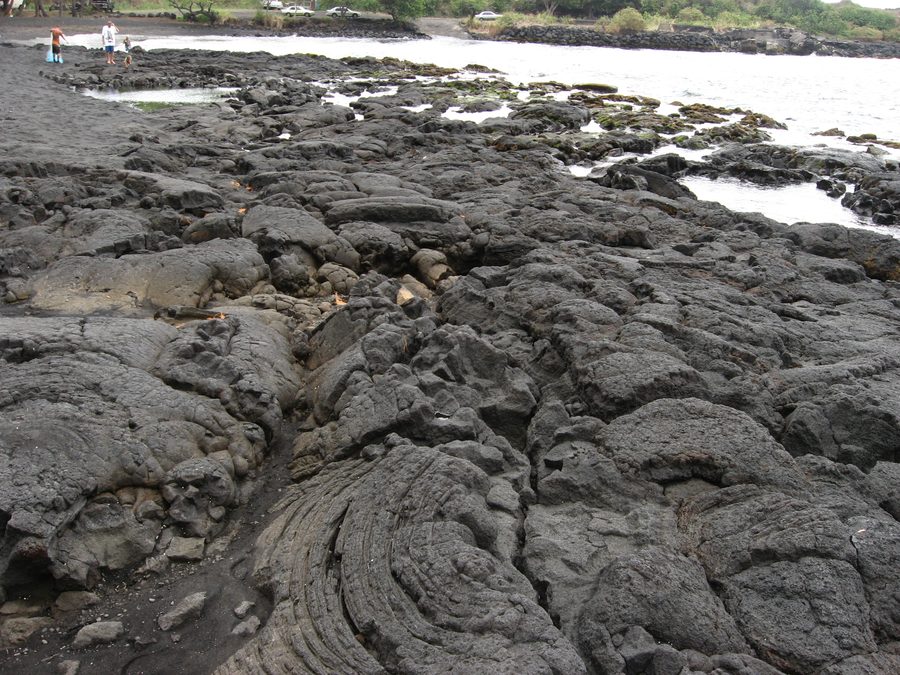
Photo: Ken Lund from Reno, Nevada, USA, CC BY-SA 2.0
Experiences for different family days
The different landscape references can be combined in trip planning: a day focused on volcanic nature can follow a beach day, while agriculture and regional products offer another way to experience the island. Travel information points to coffee cultivation in the Kona area as well as tropical products, local food, and markets as possible insights into island culture. This is interesting for families who want to combine nature and landscape experiences with regional impressions and self-catering.
Specific farms, markets, opening hours, or the current availability of individual products should be checked locally or before the trip. It is also worth considering nature and cultural interests together: volcanic landscapes, coastlines, agriculture, and local cuisine can connect different interests within a family without promising a particular age group or activity in general terms.
One base or several?
The size and diversity of Hawaiʻi Island suggest choosing accommodation according to the experience areas you want to explore. Anyone who wants to experience as many different landscapes as possible should check before booking whether one base fits the planned mix or whether several places to stay would make more sense. A specific ideal length of stay, fixed order of locations, or guaranteed time savings cannot be derived from this.
The location within the island should also not be decided solely by the name of a place. Instead, check which excursions are actually the main focus, how much daily mobility is comfortable for your family, and whether you would rather set one emphasis or combine different landscapes. This keeps the choice of location tied to your travel plan instead of classifying individual places without evidence as especially quiet, family-friendly, well supplied, or close to the beach.
Plan with weather flexibility and check mobility
The weather on Hawaiʻi Island can change dramatically. Official visitor information notes rain on the wetter side and possible cold down to snow at higher elevations. This is not a current weather forecast, but it is an important planning basis: pack for different conditions and keep backup ideas ready so that a weather-dependent day does not determine the entire family plan.
The National Park Service also points out limited public transport schedules. This does not mean that every family necessarily needs a rental car. However, before booking, you should check which mobility solution suits the planned excursions. For several planned activity areas, advance mobility planning can increase the importance of the accommodation location.
Choose a holiday home base that fits your travel profile
A holiday apartment or holiday home on Hawaiʻi Island should match the focus of your trip: coastline, volcanic landscape, nature, regional products, or a mix of these. It is also sensible to factor in weather flexibility and the expected amount of driving. Anyone planning to prepare meals themselves and buy local products should check the specific shopping situation around the chosen accommodation separately. Kitchens, markets, supermarkets, or certain amenities cannot be assumed automatically.
The location selection on this page is therefore intended as a starting point for your further planning. For the broader selection, go back to Hawaii. The following places are linked as additional destinations in the island overview, without assigning them any unverified characteristics or rankings here: Captain Cook, Eden Roc, Fern Acres, Fern Forest, Hawaii Volcanoes National Park, Hawaiian Beaches, Hawaiian Paradise Park, Hilo, Holualoa, Honokaa, Kahaluu-Keauhou, Kailua Kona, Kalaoa, Kapaau, Kawaihae, Keaau, Kealakekua, Kukuihaele, Mountain View, Naalehu, Nanawale Estates, Orchidlands Estates, Paauilo, Pahala, Pahoa, Papaikou, Pepeekeo, Puako, Volcano, Waikoloa Village and Waimea.
Frequently asked questions about Hawaiʻi Island
What makes Hawaiʻi Island special as a travel destination?
The island is the youngest and largest in the Hawaiian chain and combines diverse habitats with striking volcanic landscapes across a large area.
Which nature experiences shape the island?
Documented natural features include the volcanic landscapes around Hawaiʻi Volcanoes National Park and Kīlauea as well as coastlines and black sand beaches.
Why is weather-flexible trip planning worthwhile?
Conditions can vary greatly between wetter sides and higher elevations. Backup ideas and clothing for different weather conditions are therefore useful.
How should families choose accommodation on Hawaiʻi Island?
Choose the location based on the desired mix of landscapes and natural features as well as mobility and weather flexibility. According to the National Park Service, public transport options are limited and should be checked up to date.

.jpg)
.jpg)