
Vacation apartment in British Columbia
Accommodation in British Columbia
British Columbia is an attractive choice for families because this large Pacific province lets you plan very different kinds of holidays: coastal and island stays centered around the water, lake and wine landscapes inland, mountain regions with scenic drives, and in the north a great deal of space and quiet. Anyone looking for a vacation apartment or vacation home should therefore pay particular attention to the landscape, driving distances, and the right holiday pace.
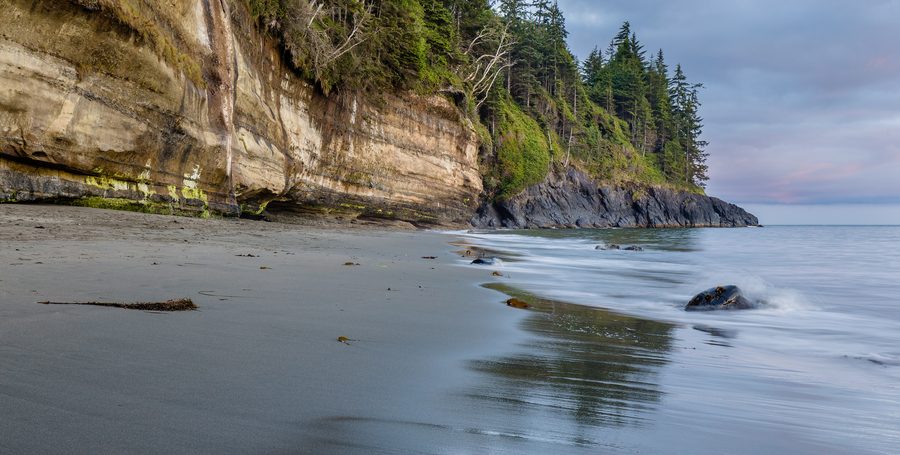 Mystic Beach on Vancouver Island, British Columbia.
Photo: Michal Klajban via Wikimedia Commons, CC BY-SA 4.0
Mystic Beach on Vancouver Island, British Columbia.
Photo: Michal Klajban via Wikimedia Commons, CC BY-SA 4.0
Quick facts about British Columbia
- British Columbia is Canada’s westernmost province on the Pacific coast.
- The province is best understood as several travel regions rather than one single destination.
- Vancouver/Lower Mainland and Victoria are the clear urban anchors; Victoria is the capital.
- The south and Vancouver Island are milder, the north is colder and snowier; the west coast gets much more rain.
For a broader Canada overview, see accommodations in Canada. This page then focuses on the specific choice within British Columbia: coast, Okanagan, mountains, or north.
Coast, islands, and water-based stays
The coast is highly indented and shaped by islands; accordingly, bases that combine water, nature, and short changes of location are especially worthwhile here.
- Alberni-Clayoquot as a coastal base for water and nature days.
- Capital Regional District works well if you want to combine Victoria with short excursions and an island setting.
- Central Coast for very quiet coastal areas with lots of open space.
- Comox Valley as a starting point for coastal and island days.
- Comox-Strathcona for a broader setting on Vancouver Island.
- Cowichan Valley if you want to combine valley and coastal atmosphere.
- Mount Waddington for a very expansive coastal region.
- Nanaimo as an island base with connections to further stops.
- Powell River if a water-oriented location in the coastal area suits you.
- Strathcona for nature days between the coast and the interior.
- Sunshine Coast as a quiet, water-adjacent choice.
Metro, corridors, and easy access
Around Vancouver, logistics are simplest. Here the focus is on the city, markets, and side trips; family planning stays manageable and the base functions as a gateway for short distances.
- Fraser Valley as a well-connected mainland location.
- Metro Vancouver for the city, markets, and quick side trips.
- Squamish-Lillooet if you are looking for access to mountains and scenic routes.
Lakes, wine, and mountains inland
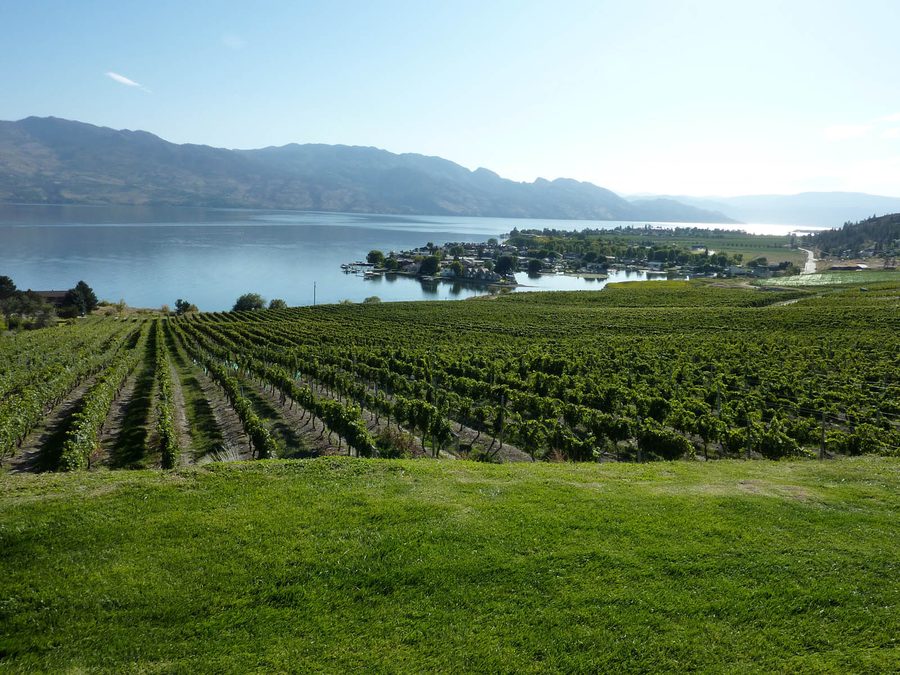
In the interior of the province, priorities shift toward lakes, wine country, mountains, and a calmer inland rhythm. If you prefer to stay longer at a good base, you will find especially clear choices here.
- Cariboo for a broad inland region with plenty of scenery.
- Central Kootenay if mountain and lake scenery should go together.
- Central Okanagan as a clear lake-and-wine base.
- Columbia-Shuswap for a mix of lake, mountains, and stopovers.
- East Kootenay for an active mountain and landscape setting.
- Elkford as a very mountain-oriented base.
- Kootenay Boundary for mountain and transition areas with scenic routes.
- North Okanagan for a quieter Okanagan location.
- Okanagan-Similkameen for wine country and lakes in the wider Okanagan.
- Sparwood if mountain scenery and longer day trips should come together.
- Thompson-Nicola for a broad inland area with varied stages.
- Wasa for a quiet focus on mountain and lake scenery.
The north and quiet open spaces
In the north, travel becomes broader and quieter; vast wilderness, northern settlements, and longer drives are part of the picture. These areas are worthwhile if that is exactly what you are looking for and you do not want to tick off as many destinations as possible.
- Bulkley-Nechako for northern openness and quiet days.
- Fraser Lake as a quieter stop in the north.
- Fraser-Fort George for a larger northern region.
- Hanceville for very quiet, landscape-focused stays.
- Kitimat-Stikine for more remote nature trips.
- Kleena Kleene for an especially peaceful natural setting.
- Northern Rockies for a broad, scenery-rich northern base.
- Peace River for long distances and quiet days.
- Skeena-Queen Charlotte for a very broadly defined nature area.
- Telkwa for a quiet northern base.
- Stikine Region if remote nature should be the main attraction.
Choosing a location in British Columbia therefore comes down mainly to pace and landscape: the coast for water and short changes, the Okanagan for a lake-and-wine rhythm, the mountains for active days, and the north for space and quiet.
Food, markets, and short city stops
If you like to eat out, stroll around, or visit markets while staying in one place, Vancouver, Victoria, and the Okanagan are all good reference points. Salmon, oysters, wild mushrooms, wine, and farmers' markets add to the classic visitor image. That makes the province especially appealing for travelers who want to experience nature and everyday culture together.
Frequently asked questions about British Columbia
When are Vancouver and Victoria the best base choices in British Columbia?
If you want culture, markets, and easy day trips, Vancouver/Lower Mainland and Victoria are the clear urban anchors. For families, logistics are usually most straightforward there.
When is Vancouver Island a better choice than the Okanagan?
When water, short changes of location, and a stronger coastal or island setting should set the tone. Vancouver Island is very well suited to that, while the Okanagan is more about lake and wine scenery inland.
What is the Okanagan good for compared with the coastal areas?
For lakes, wine country, and a calmer inland rhythm. It works well if you want more relaxed days and manageable distances between your base and excursions.
When are mountain regions in British Columbia the right choice?
When hiking, skiing, hot springs, heritage routes, and scenic drives are the main focus. In that case, a mountain base is often the more fitting decision than an urban location.
When is the north of British Columbia worth choosing deliberately?
When vast wilderness, northern towns, wildlife, and longer distances can be part of the travel experience. There, the quiet is often precisely the attraction.


