
Vacation apartment in the Northern Rockies
Accommodation in Northern Rockies
The Northern Rockies in British Columbia are not a dense holiday hub, but a remote stretch of the Canadian Rockies. Mountains, expansive landscapes, and sparse settlement define its character. For families and other travelers who want to combine a road trip with striking natural scenery, the destination is not the only thing that matters: the pace of the journey and the choice of a suitable place to stay are part of the travel experience too.
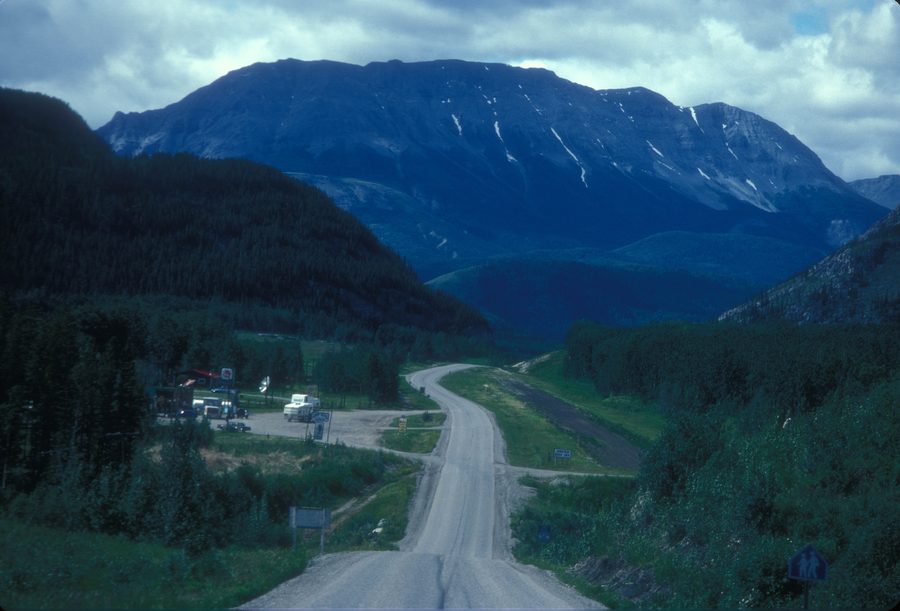 Toad River Valley, ein Highway-Serviceort am Alaska Highway in Nord-British Columbia.
Photo: JERRYE AND ROY KLOTZ MD via Wikimedia Commons, CC BY-SA 3.0
Toad River Valley, ein Highway-Serviceort am Alaska Highway in Nord-British Columbia.
Photo: JERRYE AND ROY KLOTZ MD via Wikimedia Commons, CC BY-SA 3.0
Quick facts about the Northern Rockies
- The Northern Rockies form the northern half of the Canadian Rockies.
- The area north of Lake Williston is considered remote.
- The District Municipality is very sparsely populated.
- In the broader context of northern British Columbia, mountains, forests, wildlife, and Indigenous culture shape the travel experience.
Landscape rather than a compact resort
If you travel to the Northern Rockies, you are primarily choosing a landscape and road trip. The remote location and low population density create very different expectations from a vacation in a city or a tightly developed resort. For families, that contrast can be especially appealing: the trip can be experienced as a shared discovery of vast natural spaces, while the drive itself becomes an important part of the day.
The wider region of northern British Columbia is associated with a rugged outdoor identity, mountains, forests, and wildlife. There is also an Indigenous cultural context that, alongside protected landscapes, nature, and activities, opens up additional perspectives on the north. For the Northern Rockies, the shared landscape and cultural setting remain the defining features, while the journey is shaped by the remote road route.
Overnight stays as part of route planning
In a remote, sparsely populated corridor, a vacation apartment or holiday home is mainly attractive as an intermediate stop along the route. An overnight stay can help break the drive into manageable stages and make the family’s daily rhythm more relaxed. Leave yourself some flexibility when planning: what matters here is not which place is the best, but which stop fits your direction of travel and your preferred pace.
The five places in this Northern Rockies corridor are therefore considered together as practical stops, not as holiday districts with different profiles: Fort Nelson, staying overnight at Muncho Lake, Muskwa as a stopover, Nelson Forks along the route, and Toad River on the Alaska Highway. This does not imply any ranking or special facilities for the individual places.
Who is the Northern Rockies region suitable for?
The region is a good fit if you are looking for a road trip through remote Rocky Mountain scenery with few settlements. It is less suitable if you expect short distances, a wide range of options, or the convenience of a compact holiday center. When choosing accommodation, that means: select your overnight stop based on the planned route and desired driving pace, not on any assumed ranking of the places. If you are traveling with children, you can also alternate active nature days with quieter stages without making the accommodation the sole focus of the stay.
For the next planning step, the broader selection British Columbia offers the right overview of the wider province before you focus on the northern Rockies corridor.
Frequently asked questions about the Northern Rockies
Is the Northern Rockies more of a landscape region or a place for a classic holiday?
More of a landscape and road trip region: the Northern Rockies are part of the Canadian Rockies, and the District Municipality is very sparsely populated.
Why is the overnight location in the Northern Rockies especially important?
Because the remoteness and low population density make overnight stays primarily a matter of stage planning. A stop should sensibly break up the drive and keep the pace of travel manageable.
What landscape and cultural impressions characterize northern British Columbia?
In the wider regional context, you can expect a rugged outdoor landscape with mountains, forests, and wildlife, as well as an Indigenous cultural context alongside protected landscapes.


