
Accommodation in Canada
Accommodation in Canada
Canada becomes especially compelling when you are not looking for a single national image, but for the landscape and style of travel that suit your family. The Rocky Mountains in Alberta offer lakes, valleys, and glacier scenery, Québec brings its own francophone cultural sphere, and Nova Scotia combines a harbor city, coastline, and highland forests. In the Yukon, Gold Rush history adds to the northern landscapes.
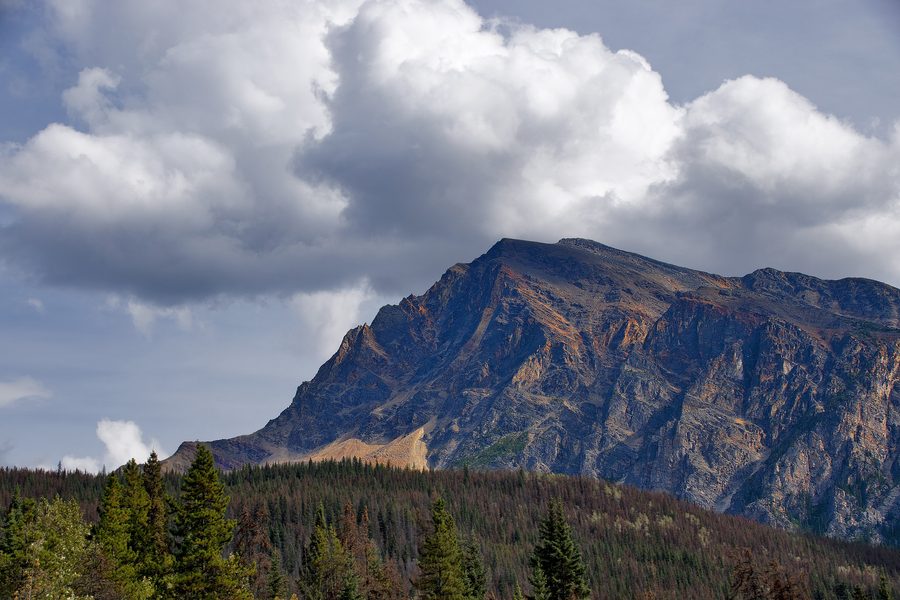 Berglandschaft am Icefields Parkway im Jasper-Nationalpark, Alberta.
Photo: Ron Cogswell from Arlington, Virginia, USA via Source, CC BY 2.0
Berglandschaft am Icefields Parkway im Jasper-Nationalpark, Alberta.
Photo: Ron Cogswell from Arlington, Virginia, USA via Source, CC BY 2.0
Canada at a glance
- Rocky Mountains: The Icefields Parkway in Alberta leads through mountain scenery with lakes, valleys, and glacier landscapes.
- Québec: French is the official language here—a striking cultural difference from the other Canadian provinces.
- Cape Breton: Coastal landscapes, highland forests, and Celtic culture shape a distinctly maritime travel picture.
- Halifax: Nova Scotia’s capital combines a waterfront promenade with historic architecture and the Maritime Museum of the Atlantic.
- Yukon: Nature and Gold Rush history belong together here; Dawson represents this historic side of the North.
- Great variety: Canada can be discovered as a contrast of mountains, coasts, cities, and different cultural regions—not as a uniform holiday landscape.
Four travel impressions, one country
If mountains, lakes, and grand natural scenery should be at the center, Alberta and the Rocky Mountains are an obvious focus. The Icefields Parkway makes this landscape especially vivid: mountain ranges, valleys, and glacier scenery define the travel experience. It suits days when the family is out exploring and the landscape itself becomes the shared experience.
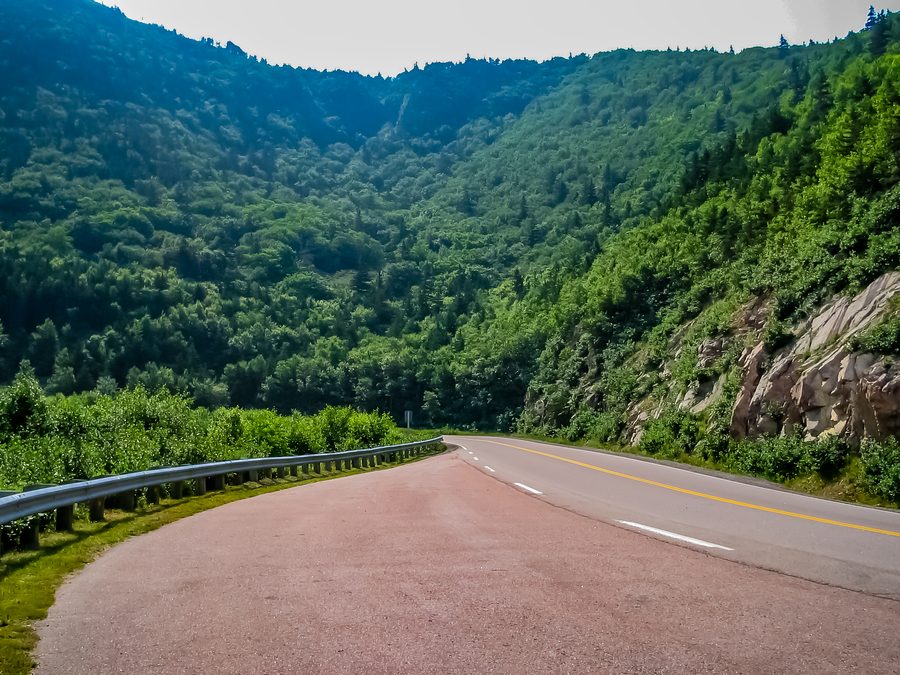
Nova Scotia sets a different tone. On Cape Breton, coastline and highland forests meet a culture associated with Celtic traditions. The Cabot Trail opens up this landscape. The result is a travel picture of sea views, forest, and regional history—an alternative to the alpine West when coastal scenery and quieter days of exploration are more appealing.
Experience city, culture, and history
Québec is especially interesting when language and culture matter alongside nature. As the only Canadian province with French as its official language, Québec stands out clearly. Montréal belongs to this francophone sphere and can therefore be placed within a Canada trip differently from a purely nature-based destination. Anyone who wants to combine city exploration with regional character will find Québec a distinctive focal point.
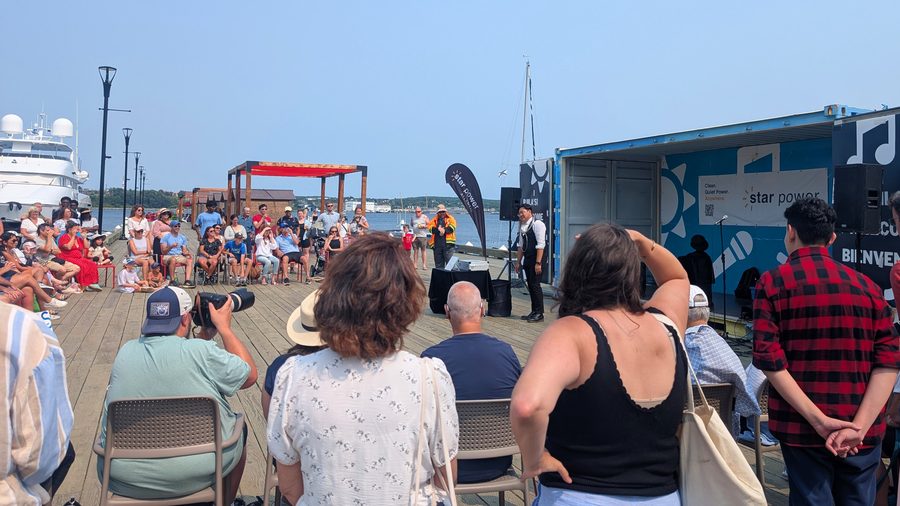
Halifax adds an urban experience to the maritime side. The waterfront promenade, historic architecture, and the Maritime Museum of the Atlantic make the capital of Nova Scotia a clear counterpart to mountain and coastal scenery. For families, this contrast can be especially appealing: explore the landscape outdoors and then experience a city with visible maritime history.
The Yukon opens yet another chapter. In Dawson, the connection between nature and Gold Rush history can be experienced directly. This makes the Yukon a distinctive cultural and historical focus for travelers who want to get to know Canada not only through cities, coasts, or mountains.
Which region fits your travel plan?
For a holiday with a strong mountain and nature focus, the choice leads toward Alberta and the Rocky Mountains. Coast, highland forest, and maritime culture point more toward Nova Scotia and Cape Breton. Québec is the right direction if you want a French-influenced cultural region and cities alongside nature experiences. The Yukon shifts attention to northern landscapes and Gold Rush history. These differences help you choose a clear travel profile first, rather than treating Canada as one single route that is the same everywhere.
Ontario is also mentioned as part of an option with lake landscapes. For other regions and territories, it remains sensible to look at the individual pages directly according to the experience you want, and to check the exact location of a property before booking when short distances to specific activities matter.
Choose the right accommodation base for the experience
For a stay focused on one region, the accommodation should be located where your most important Canada experience begins: in a city setting for culture and harbor atmosphere, in a coastal region for maritime scenery, or in a mountain area for the Rockies. For a trip with several focal points, it is especially important not to separate accommodation search from the experience itself. Check the exact location and what is available locally before making a decision.
A holiday apartment, holiday home, or hotel can each suit a different daily rhythm; specific features or availability depend on the individual property. Use the regional overviews to find the right base for your planned mix of nature, city life, history, and relaxation.
Regions and places for further selection
For mountain scenery and the West, you can take a closer look at Alberta. British Columbia, Manitoba, and Saskatchewan broaden the western and central selection. Yukon also represents a distinct northern focus.
For cities, culture, and lake landscapes, the routes lead to Montréal, Québec, and Ontario. The Atlantic selection includes Nova Scotia, Newfoundland and Labrador, New Brunswick, and Prince Edward Island.
For the North, you will also find Northwest Territories as well as Nunavut. A further overview of Nunavut is also part of the selection. The place names Cleveland and Sheenboro can be opened directly.
Frequently asked questions about Canada
What contrasts make Canada such a varied travel destination?
Canada combines the Rocky Mountains with the Atlantic coast, cities, francophone Québec, and the historically shaped Yukon. As a result, the travel impressions differ greatly: mountains and glacier scenery stand alongside coastline, harbor city, culture, and northern history.
What makes Nova Scotia appealing as a Canadian coastal region?
Nova Scotia combines Halifax, with its waterfront promenade and historic architecture, with Cape Breton, where coastal landscapes, highland forests, and Celtic culture come together.
What does the Yukon represent within a trip to Canada?
The Yukon adds nature and Gold Rush history to the familiar images of cities, coasts, and the Rocky Mountains. Dawson represents the historical dimension of this northern region.

.jpg)
.jpg)
