
Vacation apartment in Newfoundland and Labrador
Accommodation in Newfoundland And Labrador
Newfoundland and Labrador stands out most strongly as a region of contrasts: the Atlantic coast, the island of Newfoundland, and the expansive Labrador together do not form a compact city destination, but a place where your base noticeably shapes your trip. For families, that is a real help in making decisions, because here you can choose between a harbour city, a coastal route, and quieter, longer legs.
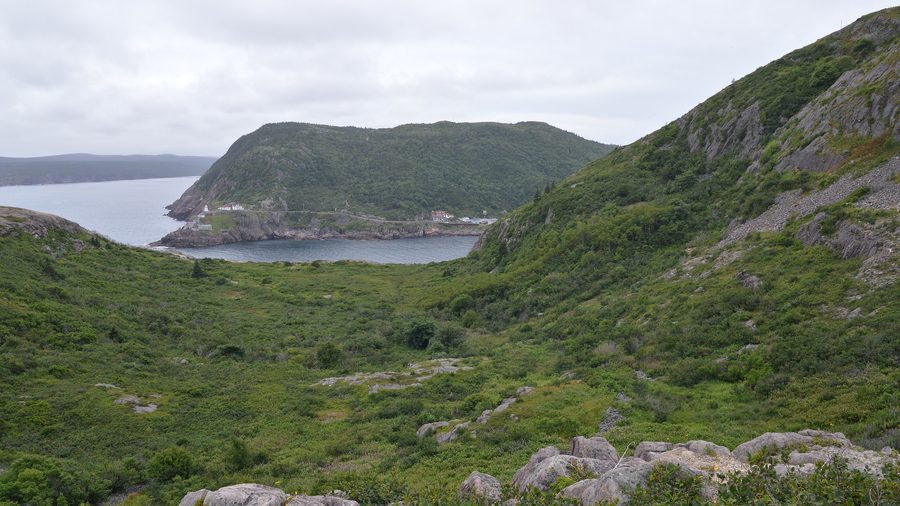 Signal Hill overlooks St. John’s harbor, a key city-and-harbor reference point in Newfoundland and Labrador.
Photo: Ryan Hodnett via Wikimedia Commons, CC BY-SA 4.0
Signal Hill overlooks St. John’s harbor, a key city-and-harbor reference point in Newfoundland and Labrador.
Photo: Ryan Hodnett via Wikimedia Commons, CC BY-SA 4.0
If you are travelling with children, it is therefore worth first asking: do you want a clear starting point, or rather a route that already feels like a longer journey when you choose your accommodation? That often determines whether a holiday here feels relaxed or more travel-focused.
Quick facts about Newfoundland and Labrador
- The region includes the island of Newfoundland and the mainland region of Labrador.
- It is strongly shaped by the coast and defined by long shorelines and distinctive coastal landscapes.
- St. John's is the capital in the southeast of the island and an obvious city and harbour base.
- Labrador is vast and sparsely populated, which creates quieter and longer travel stages.
- Depending on location and season, icebergs may also be part of the travel experience.
Which base suits your trip?
If arrival and short outings are your priority, St. John's is the obvious city and harbour base. If you want to compare the island side, Corner Brook and St. John's give you two direct reference points. The view from Signal Hill fits St. John's well as a city with harbour connections.
That is useful for families because a clear starting point makes planning easier than spreading out too early over long distances.
Coast, openness, and places with their own character
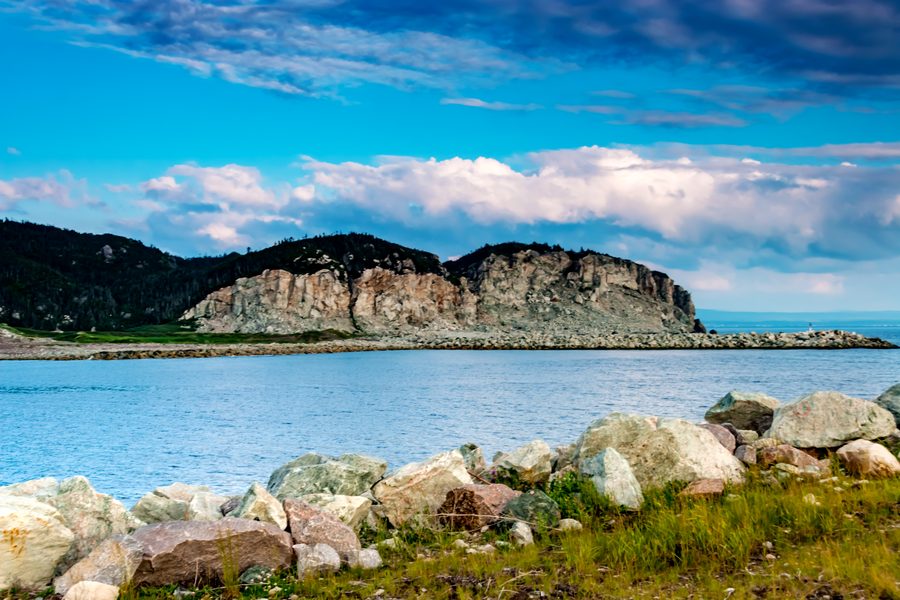
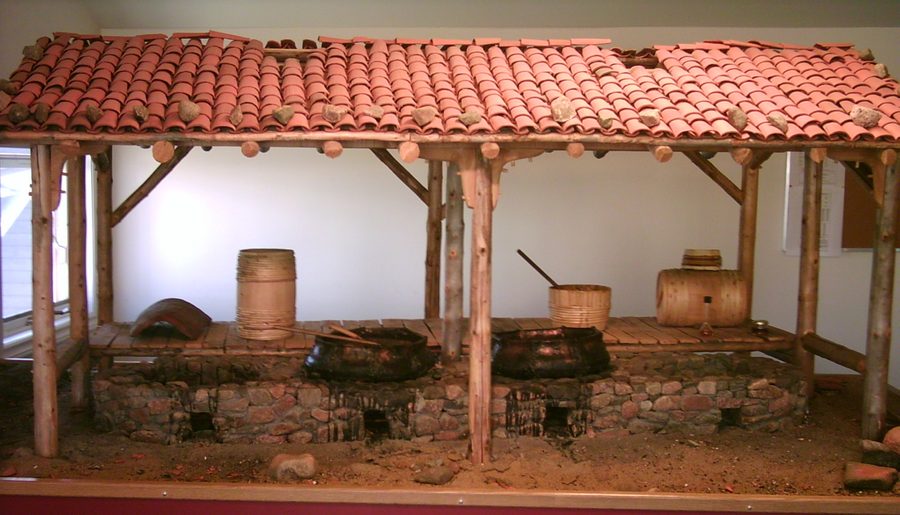
The region is shaped by its coast and by the way water, weather, and landscape help define the rhythm of the day. Depending on location and season, icebergs may also be part of the travel experience. Anyone wanting to combine nature and route planning will tend to travel here in stages: Red Bay stands as an independent heritage stop in Labrador, while Gros Morne makes the west of Newfoundland visible as a natural anchor.
That is precisely what makes Newfoundland and Labrador feel distinctive: not a chain of interchangeable places, but a mix of harbour city, coastal landscape, and wide-open distance. For families, that creates a clear advantage if you think of accommodation as part of the overall shape of the trip.
Regional orientation on the island
For a rough sense of how the island side is laid out, the regional subpages provide neutral orientation: Division No. 1, Division No. 2, Division No. 3, Division No. 4, Division No. 5, Division No. 6, Division No. 7, Division No. 8, Division No. 9 and Division No. 10.
They do not replace a route plan, but they make clear how broad the region is. If you start from the idea of a single base, it is especially worth considering how much distance you really want to cover.
Frequently asked questions about Newfoundland and Labrador
Why is St. John's a good base for the region?
St. John's is in the southeast of the island and, as a city and harbour location, is the most obvious starting point if you prefer compact day plans.
What makes Newfoundland and Labrador special in terms of landscape?
The region combines the island of Newfoundland with Labrador, is strongly shaped by the coast, and depending on location and season can also bring icebergs into the travel picture.
Is the region better suited to a single base or several stops?
For many trips, several stops are more suitable, because Labrador is vast and sparsely populated and some routes involve longer distances.
Which places show the range of the region particularly well?
Gros Morne represents the west of Newfoundland, Red Bay stands for Labrador and heritage, and St. John's for city and harbour.

.jpg)
.jpg)
