
Vacation apartment in Skeena-Queen Charlotte
Accommodation in Skeena-Queen Charlotte
Skeena-Queen Charlotte is a broad west coast region in British Columbia that does not feel like a single place. Anyone looking for a vacation apartment or vacation home here is also deciding on the character of the trip: harbor and arrival, mainland access, or the island side.
 Bonanza Beach on Rennell Sound, Graham Island, Haida Gwaii.
Photo: Miles Green from British Columbia, Canada via Source, CC BY 2.0
Bonanza Beach on Rennell Sound, Graham Island, Haida Gwaii.
Photo: Miles Green from British Columbia, Canada via Source, CC BY 2.0
If you want to see the region in a wider context, you can get there via British Columbia to this distinctly coastal selection with Haida Gwaii and the mainland coast.
Key facts
- West coast region in British Columbia with Haida Gwaii and the mainland coast.
- Prince Rupert is the administrative center of the district.
- The landscape is strongly coastal and mountainous.
Coast, islands, and Haida connections

Skeena-Queen Charlotte connects Haida Gwaii with the mainland coast and feels more like a coastal region than a compact place. The landscape is strongly coastal and mountainous; added to that are Haida connections and old coastal forests, which give the destination its own depth.
That is exactly why the region is worthwhile for trip planning where shared impressions matter more than a tightly packed itinerary. The destination is shaped less by a single downtown area than by sea views, changes of location, and the shift between mainland and island feeling.
The broad shape of the region suggests calm planning with space between stages rather than a tight schedule. Anyone who thinks about the pace of the day from the beginning can better understand the different sides of the region.
Why families should ask the base question early here
When routes and the rhythm of the day are taken into account, the accommodation question becomes especially important here. A base in Prince Rupert, on the mainland side, or on the island side noticeably changes how the stay unfolds because the region does not revolve around one compact center.
For families, that is practical: they are not just choosing a place to sleep, but the way the days are organized. Anyone who wants arrival and orientation to stay simple thinks differently from someone who wants the scenery to be the main focus.
Arrival and accommodation decisions
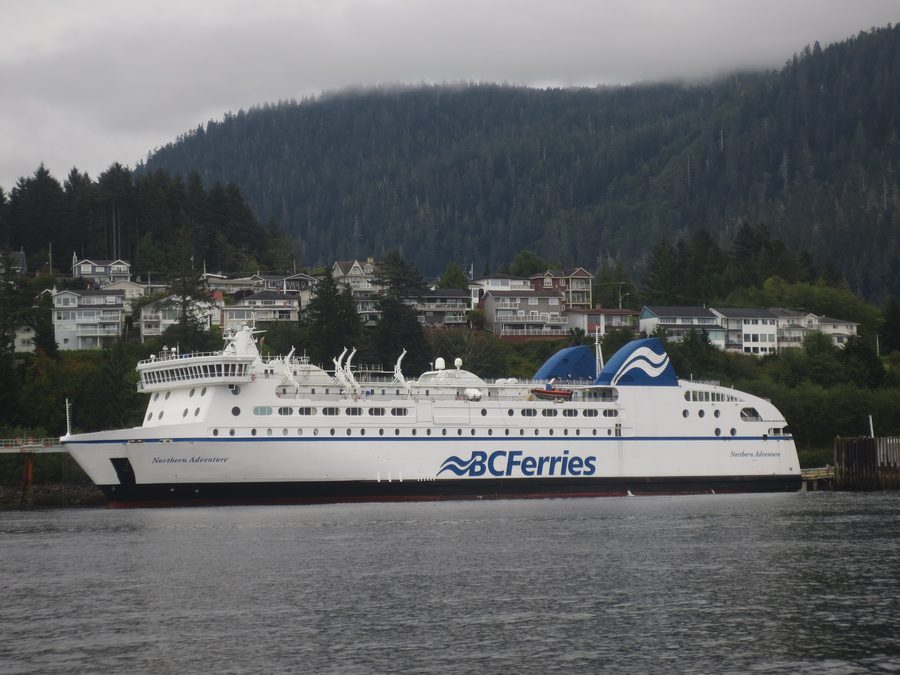
Prince Rupert is the administrative center of the district and the clearest arrival anchor with a ferry connection in this region. If the trip is first organized around the point of entry, this is the clearest orientation.
Port Edward lies on the mainland side east of Prince Rupert and therefore belongs to the region’s mainland orientation. It is part of the region’s mainland access.
If the stay is meant to be more landscape-focused, the view shifts toward the island side. Then the harbor logic recedes and the coastal character comes more to the foreground.
Which base suits which travel style
The decision here is mainly a question of rhythm. Prince Rupert suits families that want to sort out arrival, connections, and orientation first. Port Edward complements this mainland picture if you want to stay deliberately on the mainland side. The island side is more suitable for a stay in which the sense of landscape sets the pace.
- Prince Rupert — when arrival sets the pace of the stay.
- Port Edward — when you want to keep the region’s mainland side in mind.
- Island side — when the scenery is the main focus.
That turns the accommodation question into a travel decision: do you want the clear arrival anchor or a base that is more strongly shaped by coast and island?
Places in Skeena-Queen Charlotte
The following places belong to the regional orientation.
Mainland bases for arrival
- Prince Rupert — the clearest arrival anchor here.
- Port Edward — on the mainland side east of Prince Rupert.
More places in Skeena-Queen Charlotte
Frequently asked questions about Skeena-Queen Charlotte
What makes Skeena-Queen Charlotte different from an inland region in British Columbia?
It is a west coast area that connects Haida Gwaii and the mainland coast and feels shaped more by coast, island space, and mountainous character than by a compact inland profile.
Why is Prince Rupert important for arrival?
Prince Rupert is the administrative center of the district and the clearest starting point with a ferry connection.
How does the trip change if you choose the island side?
Then the stay shifts from harbor and mainland logic toward a travel experience that is more strongly shaped by scenery.
What role does Port Edward play in orientation?
Port Edward lies on the mainland side east of Prince Rupert and therefore belongs to the region’s mainland orientation.

.jpg)

