
Holiday apartment in Röhrsdorf
Accommodation in Röhrsdorf
Röhrsdorf is a small rural locality in the municipality of Klipphausen in the Saxon district of Meißen. Its history, the traditional Waldhufendorf form, and its agricultural past give the place a clear village character.
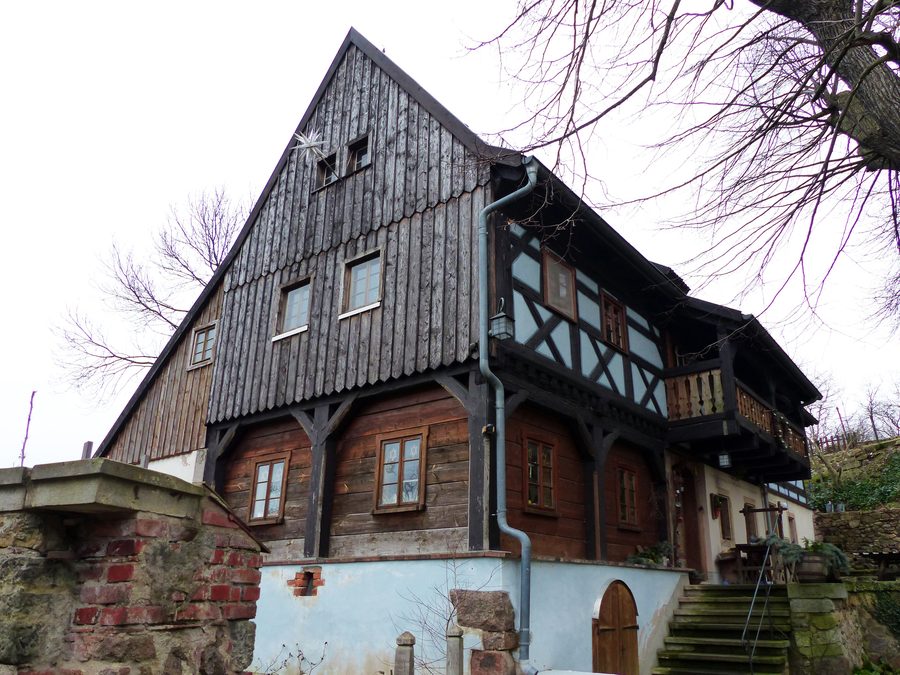 Denkmalgeschütztes Umgebindehaus im Ortsteil Röhrsdorf der Gemeinde Klipphausen
Photo: Dr. Bernd Gross via Wikimedia Commons, CC BY-SA 4.0
Denkmalgeschütztes Umgebindehaus im Ortsteil Röhrsdorf der Gemeinde Klipphausen
Photo: Dr. Bernd Gross via Wikimedia Commons, CC BY-SA 4.0
Quick facts about Röhrsdorf
- Röhrsdorf belongs to the municipality of Klipphausen in the district of Meißen.
- The locality was first mentioned in 1250 as “Rudingistorf”.
- Its traditional settlement form is described as a Waldhufendorf.
- Historically, Röhrsdorf was shaped by agriculture and had several grain mills.
Village history and settlement form
The history of Röhrsdorf can be understood from its rural settlement form. The term Waldhufendorf stands for a historically shaped type of village layout and makes the development of the place as an agriculturally shaped settlement area understandable. Together with the first mention from the year 1250, this creates a concrete picture of Röhrsdorf as a small locality with its own village history.
Historical traces in the village
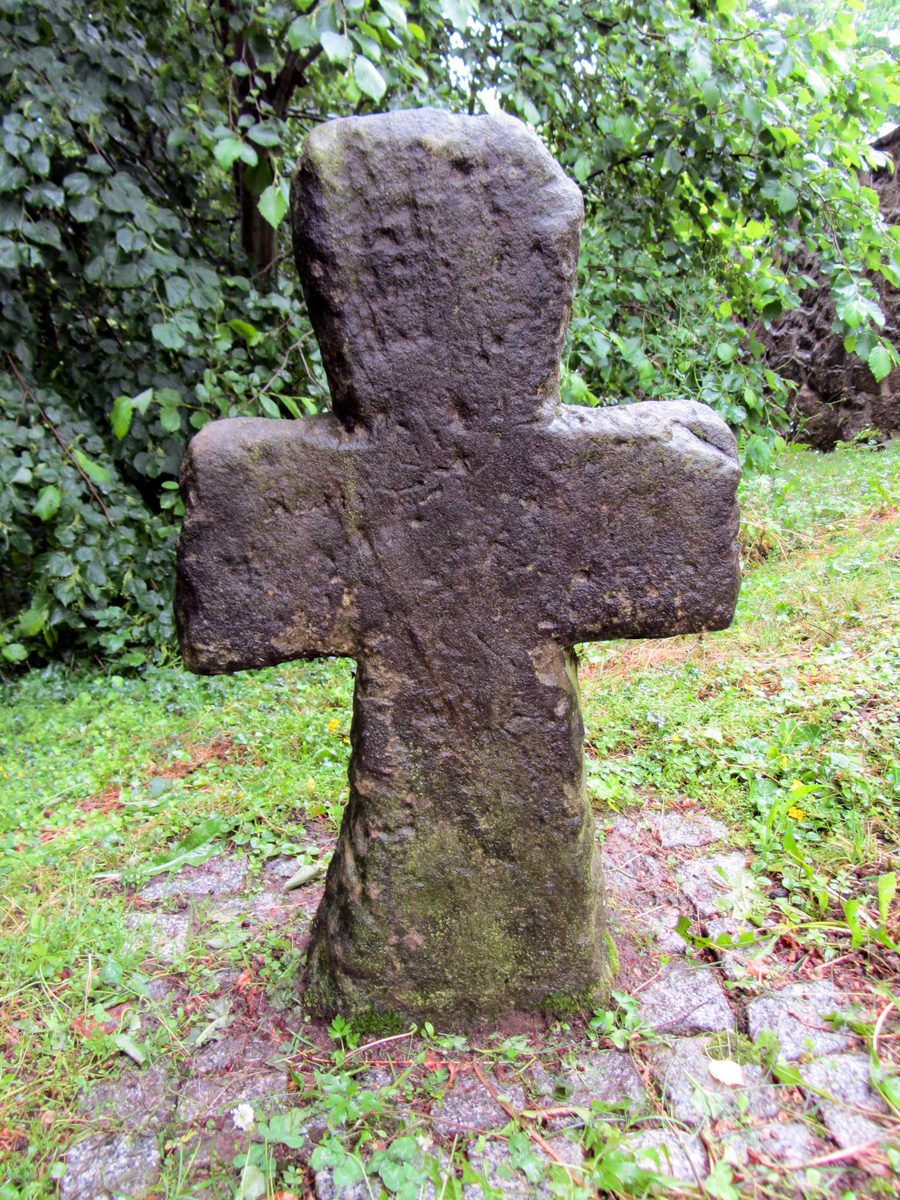
At the churchyard wall stands an old boundary stone cross, which probably dates from the 15th or 16th century. It adds a concrete historical detail to the village history and makes Röhrsdorf’s past tangible through a single artifact.
Is Röhrsdorf suitable as a place to stay?
Röhrsdorf can be considered a small rural base if village history and a traditional settlement form are part of your desired holiday. For trips outside the village, you should check the location of the respective accommodation and the planned destinations separately.
For further orientation, the way leads to Klipphausen. There you can place the broader local context, while this page presents Röhrsdorf as a single small locality with its own historical character.
Frequently asked questions about Röhrsdorf
What kind of place is Röhrsdorf?
Röhrsdorf is a small rural locality in the municipality of Klipphausen with a historically shaped village structure and an agricultural past. The place was first mentioned in 1250 as “Rudingistorf”.
What might a stay in Röhrsdorf be suitable for?
A stay can be of interest to people who are interested in village history and rural settlement development. The focus is on the traditional Waldhufendorf form, the agricultural past, and the historical stone cross at the churchyard wall.


