
Germany: cultural history and nature experiences
Accommodation in Germany
Germany offers a wide range of reasons to travel: historic buildings and museum ensembles, as well as marked trails and nature experiences. You can first consider whether you would like to focus more on architecture and history, or on hiking, cycling and seasonal activities during your holiday. This decision can help you choose a destination and a holiday apartment based on the activities that matter most to you.
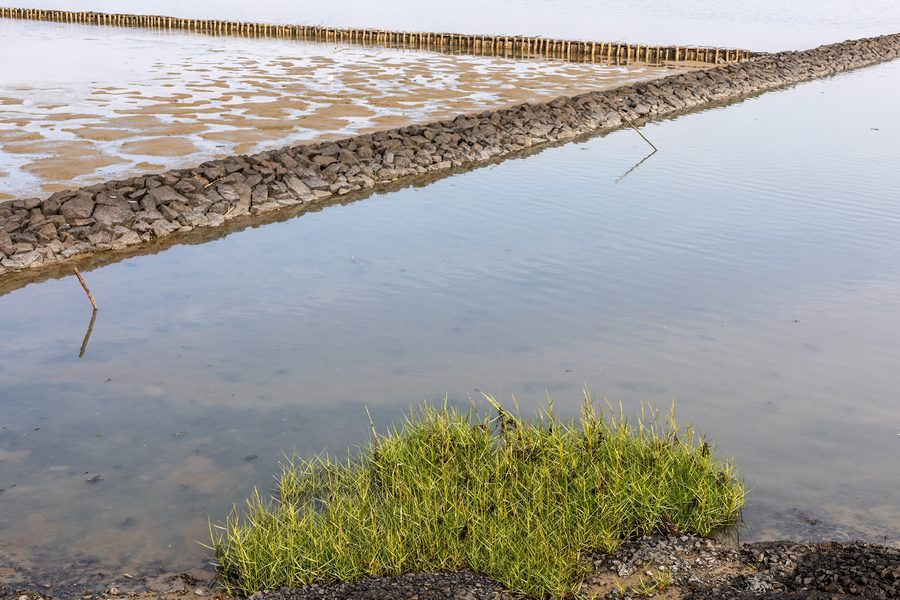 Wattenmeer mit Schlickgras bei Bensersiel an der niedersächsischen Nordseeküste.
Photo: Dietmar Rabich via Wikimedia Commons, CC BY-SA 4.0
Wattenmeer mit Schlickgras bei Bensersiel an der niedersächsischen Nordseeküste.
Photo: Dietmar Rabich via Wikimedia Commons, CC BY-SA 4.0
Cultural history in buildings and parkland
Wartburg Castle is a monument to the cultural history of Germany, Europe and beyond. Berlin's Museum Island is an ensemble of five museums whose buildings were constructed between 1824 and 1930. As a unique ensemble, they illustrate the development of modern museum architecture over more than a century. The focus is therefore not only on individual museum buildings, but also on the historical development of a particular architectural undertaking.
Cologne Cathedral offers a different perspective on architectural history: it is a five-aisled High Gothic basilica. Construction began in 1248 and was completed in 1880. There are 632 years between those two dates. In Potsdam and Berlin, the view shifts from individual buildings to a cultural landscape: the palaces and parks there encompass 500 hectares of parkland and 150 buildings constructed between 1730 and 1916. Together, they form a cohesive ensemble of 18th- and 19th-century architecture and garden design. These cultural-historical perspectives are therefore distinctly different—from a single religious building to museum architecture and an ensemble of parks and buildings.
Hiking trails, cycling routes and nature experiences
The Bavarian Forest National Park administration maintains around 350 kilometres of marked hiking trails. There are also more than 200 kilometres of cycling routes. In winter, the national park is suitable for snowshoeing and cross-country skiing. Visitors planning a stay there can choose between hiking, cycling and explicitly seasonal winter activities.
The Malerweg trail crosses the Saxon Switzerland National Park region for 116 kilometres. The many hiking trails there feature steps, ladders, stairways and viewpoints. The Forststeig Elbsandstein trail runs for 105 kilometres through the Saxon Switzerland Protected Landscape Area and offers official bivouac sites and trekking huts for overnight stays. Within German territory, the Saxon Switzerland National Park is surrounded by the Saxon Switzerland Protected Landscape Area. The Malerweg and Forststeig therefore differ not only in length, but also in the destinations and accommodation options described.
The Black Forest National Park currently has just under 200 kilometres of cycling routes. The Lothar Trail offers a different nature experience: it passes through a forest area blown down by Cyclone Lothar in 1999, and gives visitors a view of the root plates of the fallen trees. The national park offers guided tours for adults; special tours can be booked. There are also dedicated programmes for schools and kindergartens. Tour dates vary by season and operational circumstances. If you are planning to join a tour, check the current dates in advance.
When choosing a holiday destination and apartment, your preferred focus can be a good starting point: a stay centred on museum architecture or historic buildings differs from a trip focused on hiking trails, cycling routes or winter activities. You can first decide which of the experiences described interests you most and use that to guide your search.
Discover more destinations
Discover more destinations: Lower Saxony, North Rhine-Westphalia, Rhineland-Palatinate, Saarland, Saxony, Saxony-Anhalt, Schleswig-Holstein, Thuringia, Baden-Württemberg, Bavaria, Berlin, Brandenburg, Hamburg, Hesse, Mecklenburg-Western Pomerania, Bremen.

