
Discover Kalkar: churches, Brick Gothic and local history
Accommodation in Kalkar
Kalkar reveals itself through a range of cultural highlights: the furnishings of St. Nicolai Church, the town hall in the Brick Gothic style and the townscape of Grieth on the Rhine. The town windmill is also part of a distinctive ensemble. If you plan your trip around architecture and local history, you’ll find a range of highlights here that lend themselves to comparison.
Churches, the town hall and distinctive townscapes
St. Nicolai Church in Kalkar has nine Late Gothic carved altarpieces, sculptures, paintings and contemporary glass art in 22 windows. The variety is what makes its furnishings so interesting: carvings, sculpture, painting and glass art offer different ways to explore church art. You can focus on individual works or on how the different art forms come together.
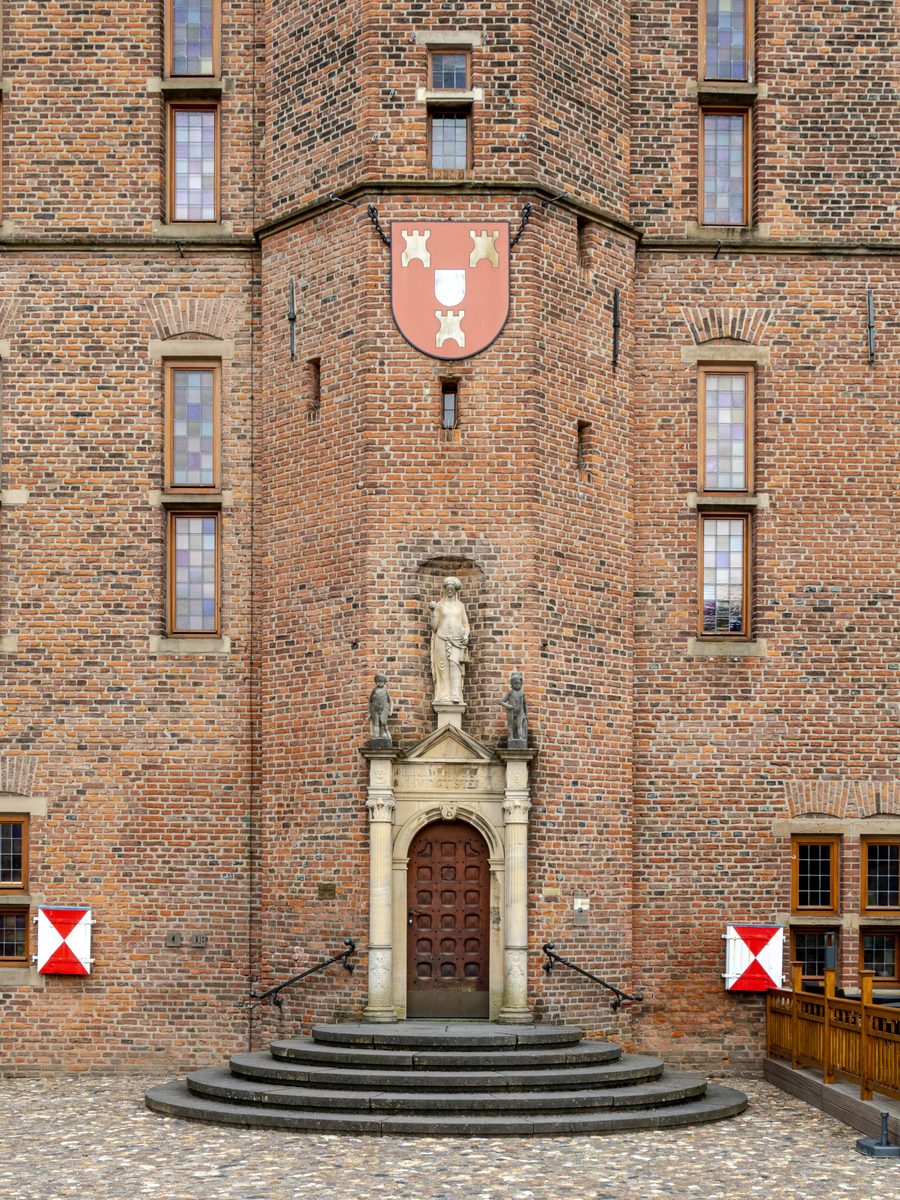
The town hall was built between 1438 and 1445/46 in the Brick Gothic style. It served the town administration and trade, and was also a courthouse. The building thus combines its architectural style with several historical functions of urban life. Anyone interested in a town’s history can explore its architecture alongside the history of its administration.
In Grieth on the Rhine, the Late Gothic parish church of St. Peter and Paul is a defining feature of the townscape. In Kalkar, the town windmill forms an ensemble with a brewery and a beer garden. Both examples broaden the focus beyond church and town hall architecture: one shows how a religious building shapes a townscape, while the other illustrates how a windmill is connected with other elements of an ensemble.
Cycling and landscapes in the Kleve district
The wider destination of Kleve offers more ideas for planning a region-focused trip. A pocket guide shows all the junctions in the Kleve district when unfolded and includes information about how the district-wide junction system works. For longer cycling tours, the 128-kilometre, signposted Niers Cycle Route runs from the source of the Niers in Mönchengladbach through the districts of Viersen and Kleve to the municipality of Gennep in the Netherlands. The route itself and the junction-based system offer two different ways to explore cycling paths in their regional context.
The Kleve district has more than 1,500 kilometres of cycling routes and numerous themed trails. The district’s landscapes are also varied, with picturesque riverbanks, green meadows and extensive forests. This range helps you shape your plans around your interests—for example, whether you want to focus on cycling routes, landscapes or Kalkar’s distinctive townscapes.
Local traditions and regional treats
Local traditions in the Kleve district include marksmen’s festivals, carnival and funfairs; the dates of individual events vary. Farm cafés in the district invite you to enjoy fresh produce directly from the people who grow or make it. These offer more ways to experience the region alongside its architecture and cycling: through its traditions and by enjoying products where they are produced. If a festival is important to your travel plans, make sure to check its specific date.
When looking for a holiday apartment in Kalkar, it helps to start by deciding what you want to focus on during your trip. If you’re most interested in the churches, town hall and townscapes, you can focus your search on Kalkar. If you’d also like to explore cycling and landscapes or local traditions in the Kleve district, include the wider region in your plans.
You can also discover Kehrum as a travel destination.
Discover more destinations
Discover more destinations: Rheurdt, Haldern, Weeze, Rees, Kerken, Goch, Geldern.
For the wider travel overview: Kleve.

