
Toddin: History, Monuments and Landscape
Accommodation in Toddin
Toddin brings together several historical periods: an early mention of the Oll Burg, traces of the von Pentz family and a church history spanning more than five centuries. There are also specific buildings on a list of monuments and a landscape connection noted in local planning documents. When choosing a holiday apartment, you can decide whether your trip plans should focus primarily on the history or the landscape connection of the documented planning area.
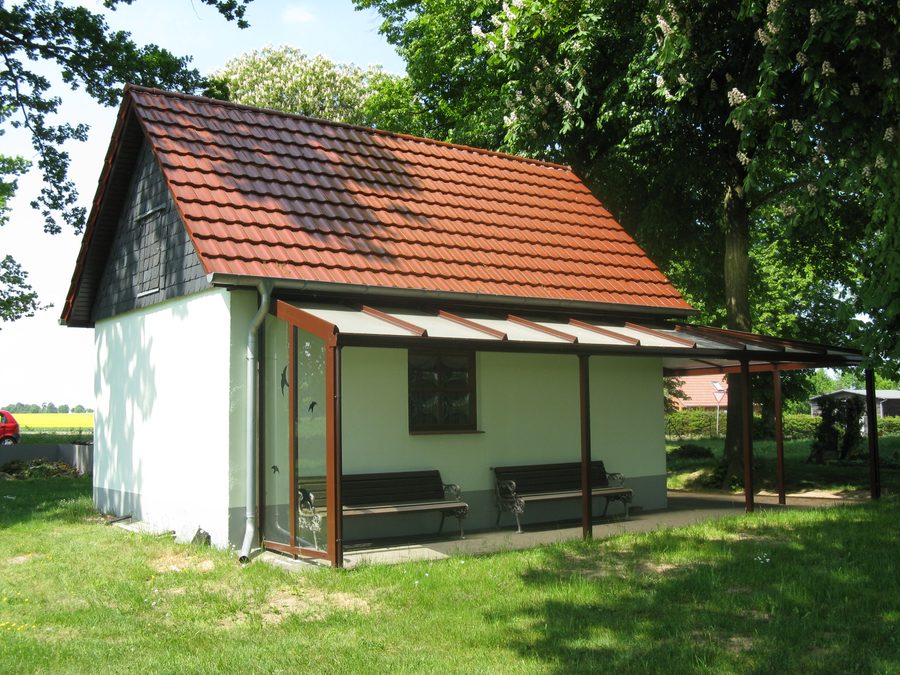
Church History and Traces of the von Pentz Family
The church site in Toddin had a history spanning more than 500 years. This history initially came to an end with the act of deconsecration. This long history and that turning point represent two distinct periods in the local history.
The von Pentz family also has historical ties to Toddin. Hans von Pentz became a feudal tenant of Toddin in 1432; his family remained connected with the estate until 1670. A half-timbered chapel for the family was built in 1520 on the commission of Joachim von Pentz. It was demolished in 1956, probably because it had fallen into disrepair. The dates mark different events: the feudal tenure, the construction of the chapel and the duration of the family’s connection with the estate.
The Oll Burg in the southwest of Toddin takes us further back in time. It was mentioned in 1128 as a complex of timber structures and earth ramparts that included a castle, a residential site and a farmyard. The account therefore covers several functions, not just the castle. This early period complements the later connections with the von Pentz family and the church site.
Listed Buildings in Toddin
In Toddin, the former smithy at Dorfstraße 28 and the fieldstone barn at Hillerweg 8 are on the list of monuments. Also listed are the house at Mühlenweg 6 and the houses at Mühlenweg 8/10. The entries therefore include different types of buildings: a former smithy, a barn and houses. This broadens the historical picture beyond the church and castle-related topics to include buildings with specific street addresses.
Landscape and Choosing a Location
Meadows and arable land border the southern and eastern sides of the planning area in Toddin; the area is directly accessible via the B 321, which runs through the village. These two details answer different questions: the relationship to the surrounding land describes the sides of the planning area, while the B 321 describes its accessibility. When choosing a holiday apartment, it may be helpful to compare its specific location with your priorities—for example, if you want to take the rural landscape into account when choosing where to stay.
Another Cultural Highlight in Ludwigslust-Parchim
In the wider travel destination of Ludwigslust-Parchim, Ludwigslust Palace offers a cultural and historical highlight of its own. It was the former residence of the Dukes of Mecklenburg and is the focal point of an almost completely preserved late Baroque town ensemble, with a former court church and an English-style landscape park. Together, the palace, park and town form an ensemble known as the “Little Versailles of the North.” The palace showcases art and courtly domestic culture from the 18th and early 19th centuries. The focus here is on a palace and town ensemble; Toddin’s local history is told through its church past, the von Pentz family, the Oll Burg and its listed buildings.
Discover More Destinations
Discover more destinations: Pritzier, Hoort, Strohkirchen, Alt Zachun, Warlitz, Gammelin, Bresegard Bei Picher, Kuhstorf.
Go to the overview of the wider travel area: Amt Hagenow-Land.

