
Untereisesheim: Lake, Cycle Route and History
Accommodation in Untereisesheim
Untereisesheim brings together three distinct themes: Mühlbachsee, the Salz & Sole cycle route that runs through the town, and Kunibert Church in the old town centre. Water, exercise and architectural history offer you different starting points for planning your holiday. When choosing where to stay, consider whether you would rather spend your days walking, cycling or visiting a historic site. This lets you focus your search for a holiday apartment on what matters to you during your stay.
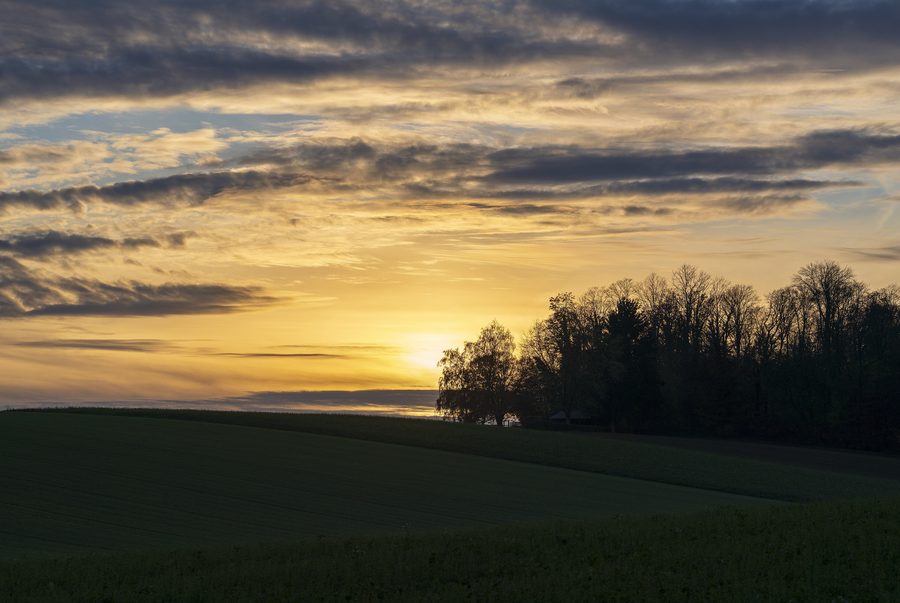
Relaxation at Mühlbachsee
Mühlbachsee was created by people as a permanent reservoir during land consolidation and is intended to protect the municipality of Untereisesheim from flooding. A walk around the lake offers relaxation and fresh air. There is a playground right next to the lake. For planning a trip with children, it provides a specific additional point of interest; the walk by the water, in turn, focuses on exercise and relaxation. Both are directly connected with Mühlbachsee, without requiring you to plan a more extensive programme of activities.
Cycle route and local history
The 36-kilometre Salz & Sole cycle route is a circular route that passes through Untereisesheim. Its length gives the ride a different scale from a walk around the lake. If cycling is an important part of your trip, the circular route offers a clear point of reference as you plan your holiday.
Another way to explore the town’s history is to visit Kunibert Church on Kirchberg in the old town centre. Its origins date back to the Middle Ages. After the Thirty Years’ War, the church was rebuilt in the 18th century in its present form. Its long history and later rebuilding make it an interesting place to visit for travellers who would like to discover historic architecture as well as enjoy outdoor activities.
The nearby Neckar Island is another place to visit. No road disturbs the tranquillity of the island. Its landscape offers a different impression from Mühlbachsee or the cycle route and may help you decide what kind of surroundings you would enjoy during your stay.
More to discover in the wider Heilbronn destination
The wider Heilbronn destination offers further regional perspectives. Heilbronn district has around 1,000 kilometres of signposted day-loop routes in Kraichgau, Zabergäu, Weinsberg Valley and Schozach-Bottwartal. The Neckar Valley Cycle Route is also among the district’s featured cycle routes. Together with the 36-kilometre circular route through Untereisesheim, these details offer different scales for cycle planning: a local circular route on the one hand, and a wider selection of day-loop routes and featured cycle routes on the other.
Nature and water are also part of the wider Heilbronn destination. Stromberg-Heuchelberg Nature Park includes 25 municipalities across four districts, including Heilbronn district. Breitenauer See is the largest of the seven bathing lakes listed in Heilbronn district and is described as the largest bathing lake in northern Württemberg. These regional perspectives complement the picture of Mühlbachsee, which was created in Untereisesheim as a permanent reservoir intended to protect the municipality from flooding.
For those interested in culture, the Burg Stettenfels Castle Festival offers a distinctive feature: performances always take place outdoors. Much of the castle wall can be walked along, and the park is freely accessible; access conditions may change during special events. Weibertreu Castle Ruins are a viewpoint and a small open-air museum at the entrance to Weinsberg Valley. The Wine and Rose Trail offers a particularly scenic climb to the ruins. These regional attractions can help you weigh up the focus of your stay, while Untereisesheim retains its own character with its lake, cycle route and church.
Discover more destinations
Discover more destinations: Brackenheim, Flein, Cleebronn, Offenau, Bad Rappenau, Heilbronn, Neuenstadt am Kocher, Eberstadt.
Back to the main travel guide: Heilbronn.

.jpg)