
Discover Taiwan: Cities, Mountains and Coasts
Accommodation in Taiwan
Taiwan brings together several travel impressions within a relatively compact area: dense cities and lively night markets, a mountain range running from north to south, western plains, and the more scenic regions around Hualien and Taitung in the east. For families, this makes it possible to put together a trip that combines city discovery, days in nature, culture, and shared tasting experiences — or to focus deliberately on just one of these priorities.
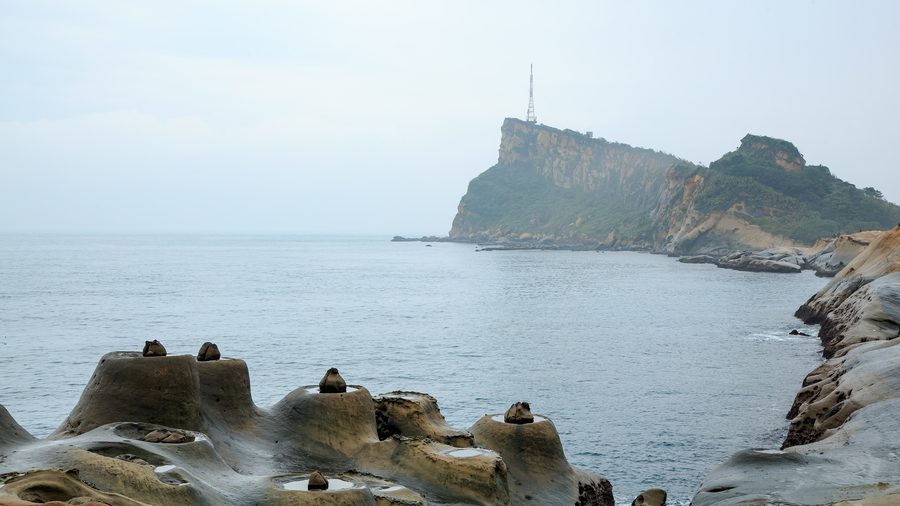 Markante Felsformationen im Yehliu Geopark an Taiwans Nordküste.
Photo: CEphoto, Uwe Aranas via Wikimedia Commons, CC BY-SA 3.0
Markante Felsformationen im Yehliu Geopark an Taiwans Nordküste.
Photo: CEphoto, Uwe Aranas via Wikimedia Commons, CC BY-SA 3.0
Short & sweet
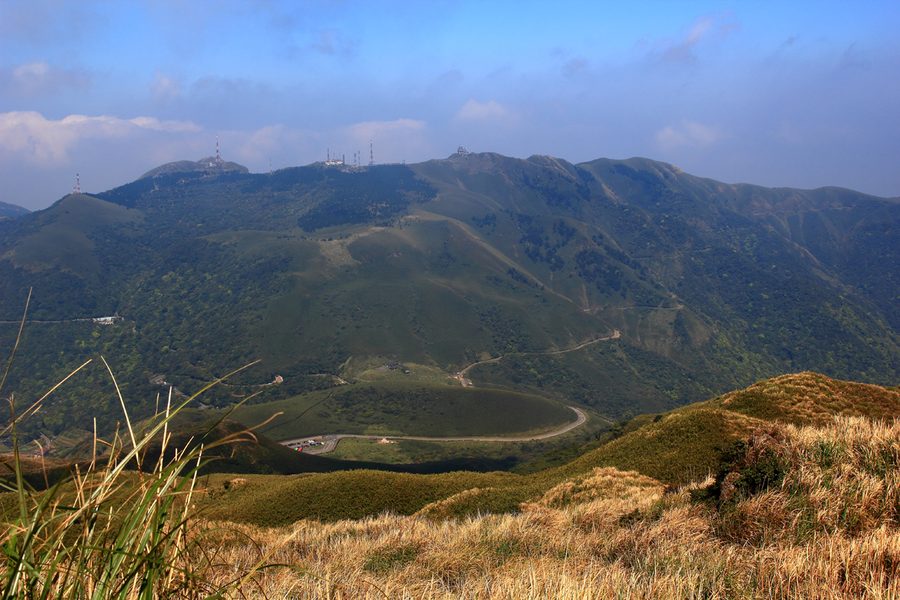
- The central mountain range divides the island in scenic terms: the west is shaped by plains and larger cities, while the east has less densely populated landscapes.
- In the north, urban life and nature meet — with Taipei, coastal scenery, rocks, and volcanic terrain.
- The National Palace Museum in Taipei adds an extensive collection of historical artifacts to travel planning.
- Night markets turn typical snacks such as bubble tea, xiaolongbao, and fried chicken cutlets into a concrete evening experience.
- Hualien and Taitung stand for a differently shaped, visually striking eastern section beyond the central mountain range.
- Natural hot springs provide a quieter complement to active city and excursion days, especially in autumn and winter.
Between cityscapes and mountain landscapes
Anyone who associates Taiwan only with Taipei misses the country’s most important nationwide contrast. The west side is more strongly defined by plains and larger cities, while the mountain range cuts through the island’s interior. In the east around Hualien and Taitung, a different landscape opens up. These differences matter more for travel planning than trying to collect as long a list of individual places as possible: they determine whether you would rather visit a museum or a market in the morning, plan an active day in the landscape, or put quieter nature experiences at the center.
For a family with different interests, such a contrast can be especially helpful. An urban section creates opportunities for culture, food, and city walks; a landscape-focused section, by contrast, changes the pace of the day and the choice of excursion destinations. Which mix suits you depends less on a supposedly central base than on the kind of trip you want to create.
North: culture, coast, and a lively evening
The north is a useful starting point for travelers who want to combine several types of experiences. Taipei, Keelung, New Taipei, Yilan, Taoyuan, and Hsinchu are described together in official tourism material alongside city views, coasts, and other landscapes. In Taipei, the National Palace Museum and the distinctive skyline with Taipei 101 are among the key reference points for a culture-and-city trip. Historic streets in Jiufen, Tamsui, Yingge, and Sanxia, as well as the Nanya Rocks and Yehliu Geopark, add history and unusual rock formations to the mix.
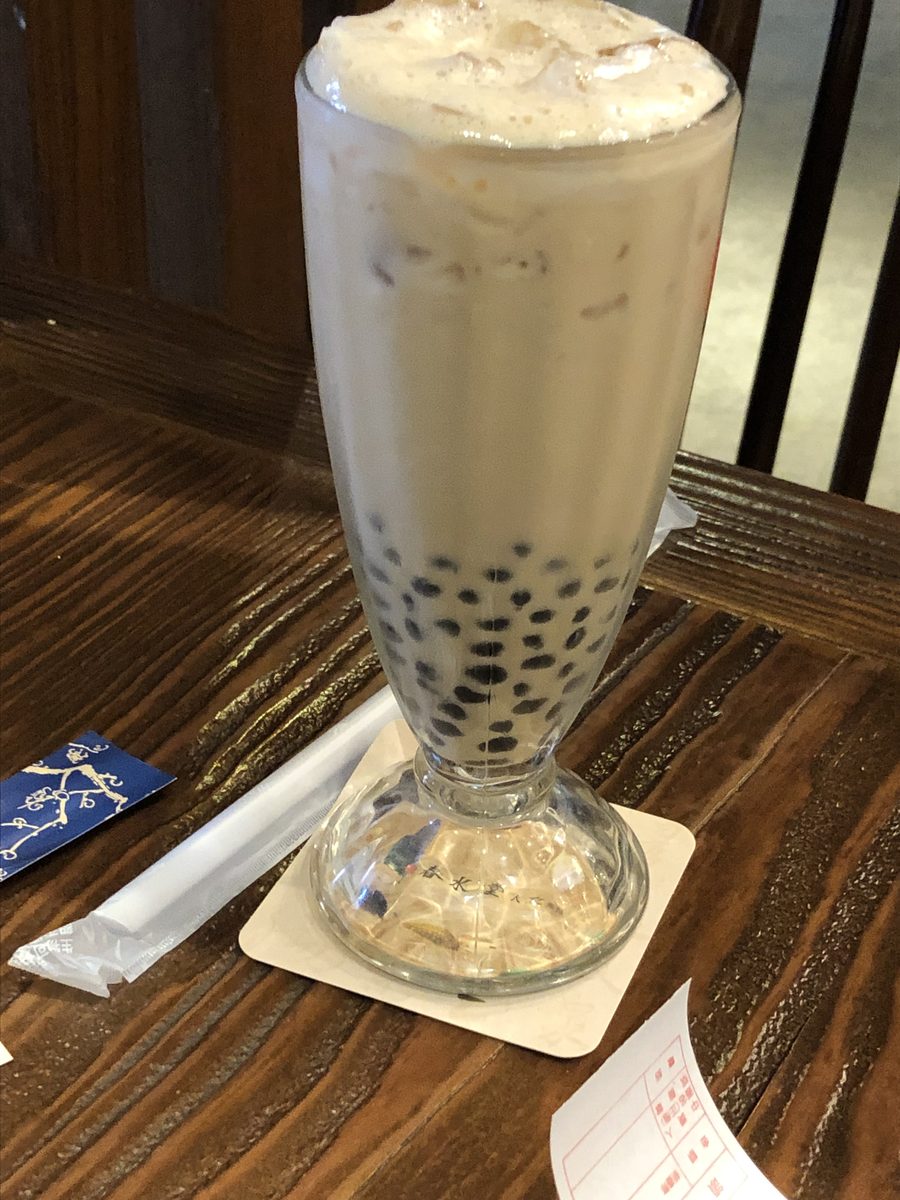
The culinary side is equally vivid in the north: a night market visit can become a shared discovery, with bubble tea, xiaolongbao, or fried chicken cutlets on the menu. An urban base is therefore especially worth considering if museums, city life, and evening dining shape the trip segment. If the coast or nature are just as important, the exact location of the accommodation should match the planned day trips.
East and hot springs: different accents for the trip
Hualien and Taitung form a clear contrast to the denser city and plain areas in the west. Beyond the central mountain range, landscape and nature take center stage there; indigenous Austronesian culture is also particularly present. Anyone making this eastern section the main focus should choose accommodation not just by place name, but by the desired daily rhythm and the specific landscape emphasis.
Another idea is a stay at a hot spring. Taiwan has various natural hot springs, and the tourism authority highlights autumn and winter as a suitable time for such a visit. This can provide a calmer building block between more active days. In that case, it is worth aligning the accommodation location with the desired hot spring destination rather than treating a hot spring visit as a spontaneous add-on.
Which base fits your travel style?
Before searching for accommodation, decide on your main focus: a city base works well for museums, skyline views, night markets, and urban discovery. A separate eastern section is worth considering if Hualien or Taitung are the main draw because of their landscape character. For a hot spring stay, the location should support the quieter part of the program. The geographical contrasts between mountains, western cities, and eastern landscape regions may also speak in favor of considering multiple bases — routes, connections, and changes should be checked separately.
For a trip with children, this order helps keep the family rhythm in mind: active days, cultural discoveries, shared meals, and quieter breaks do not have to happen in the same place. When making a choice, also check the exact location and the amenities that matter to you directly with the respective provider if self-catering, pets, or flexible days play a role.
Regions and island options at a glance
The following regional names help you continue exploring the right area for the travel segment you want. The northern selection links the city, culture, and nature themes described above:
- Hsinchu is part of the northern selection.
- Keelung leads to a northern destination with market and coastal connections.
- New Taipei adds historic streets and coastal landscapes to the northern selection.
- Taipei stands for the urban culture and night market section.
- Taoyuan remains visible as a northern option.
- Yilan also belongs to this northern selection.
For central inland and mountain connections, you will find the following regional names here:
The southern selection is also kept visible for your further planning:
For an eastern landscape section, you can also look into these names:
Island destinations and island communities are also represented in the regional selection:


_-_panoramio.jpg)
