
Accommodation in Brazil
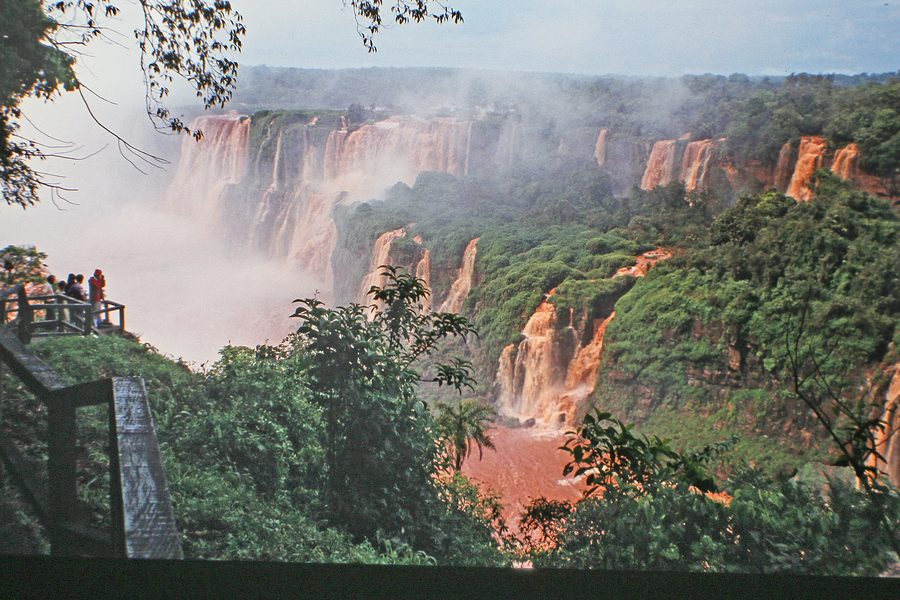 Die Iguaçu-Wasserfälle an der Grenze zwischen Brasilien und Argentinien.
Photo: W. Bulach via Wikimedia Commons, CC BY-SA 4.0
Die Iguaçu-Wasserfälle an der Grenze zwischen Brasilien und Argentinien.
Photo: W. Bulach via Wikimedia Commons, CC BY-SA 4.0
Brazil is difficult to reduce to a single holiday image: rainforest and rivers, Atlantic beaches, vast waterfalls, cities, and very different cultural places all coexist in one country. For families, trip planning is therefore best started with a simple question: should the time together focus mainly on nature, water, city life, culture, or a balanced mix?
Brazil at a glance
- Amazon region: Rainforest and river landscapes open up a world of nature and experiences all of their own.
- Iguaçu: The extensive waterfall system on the border with Argentina makes for an impressive natural highlight.
- Atlantic coast: Beaches and islands form a contrast to rainforest, waterfalls, and major cities.
- Salvador da Bahia: Colonial architecture, baroque churches, and Afro-Brazilian culture make this city a striking cultural building block.
- Cities: Metropolises are part of Brazil’s travel world just as much as the coast and natural areas.
- Route choice: A few well-matched regions usually create a clearer travel experience than an overloaded combination of destinations far apart.
Between rainforest, rivers, and major natural moments
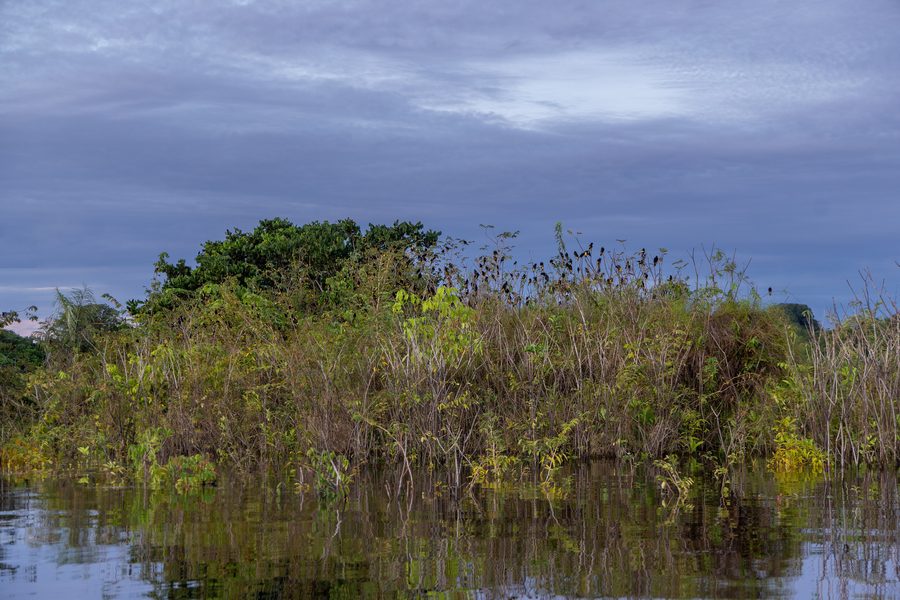
The Amazon region changes the pace of a trip to Brazil fundamentally. Manaus is regarded as an important gateway to the Amazon area, from which river trips and rainforest experiences begin. For families, this natural element can be especially appealing when shared discovery is the focus and not every day is meant to be spent at the beach. A base in this travel world is particularly suited to a deliberately planned nature section; as a short add-on to an already tightly packed itinerary, the character of the experience would easily be lost.
Another natural highlight lies in the south: the Iguaçu Falls form an extensive waterfall system and can be planned as a clear focal point alongside city or coastal days. This is a good choice for families looking for a particularly memorable active day without making the entire trip about nature experiences.
Deliberately combining coast, city, and culture
Those who place a higher value on water and quieter days will find a very different travel world on Brazil’s Atlantic coast. Beaches and islands can shape the relaxed part of a trip, while individual cultural or natural experiences add variety. A coastal base is therefore especially fitting when time by the water sets the rhythm of the day.
Salvador da Bahia provides a cultural counterpoint. Colonial architecture, baroque churches, and Afro-Brazilian culture make the city an illustrative section of a trip between beach and nature days. Anyone choosing this focus is more likely to opt for an urban base and for days in which history, architecture, and culture define the program. Rio de Janeiro and São Paulo also represent urban starting points within Brazil’s diversity, without any single metropolis explaining the whole country.
Which travel idea suits your family?
For a family trip, comparing the desired shape of the day helps. The Amazon region stands for nature and river experiences, Iguaçu for a striking waterfall highlight, the Atlantic coast for beaches and islands, and Salvador da Bahia for visible history and Afro-Brazilian culture. From this, a manageable combination can be created: for example, coastal days with a cultural section or a city trip with a chosen nature experience. Anyone wanting to combine several of these worlds should deliberately limit the number of regions. That leaves room not only for active highlights but also for quieter shared days.
The accommodation should suit this travel character: a coastal base for a water-oriented stay, an urban location for culture and architecture, or a regional nature base if rainforest, rivers, or waterfalls form the core of the stay. What matters less is a general accommodation promise than the question of which experience should begin right outside your door and how many changes of location suit your family.
Discover Brazilian regions
The following entry points lead to different parts of the country. Some names can be linked to the travel ideas described above; the remaining regional pages can then be found as additional starting points for your own selection.
Regional entry points with a matching travel connection
The coastal and cultural component includes Alagoas, Bahia, Ceará, Pernambuco, Rio Grande Do Norte, and Sergipe. For nature and river experiences, the entry point Amazonas is a good choice. You will find the southern natural contrast at Paraná. As urban starting points, Rio De Janeiro and São Paulo are available.
Additional regional entry points
More regional pages can be reached via Acre, Amapá, Canguaretama, Distrito Federal Do Brasil, Espírito Santo, Goias, Majorlândia, Maranhão, Mato Grosso, Mato Grosso Do Sul, Minas Gerais, Pará, Paraiba, Piauí, Rio Grande Do Sul, Rondônia, Roraima, Santa Catarina, and Tocantins.
Frequently asked questions about Brazil
Which types of trips can be combined especially well in Brazil?
A focused combination of coast, city, culture, and one natural highlight is more illustrative than an overloaded route. The Amazon region, Iguaçu, Salvador da Bahia, and the Atlantic coast each represent clearly different travel building blocks.
What role do cultural places play alongside beach and nature days?
Salvador da Bahia shows how colonial architecture, baroque churches, and Afro-Brazilian culture can form a distinctive section alongside coastal days.
Why is a clear accommodation base worth more than an overloaded itinerary?
Brazil’s travel worlds differ greatly. If you choose only a few suitable regions, there is more room for shared experiences, rest periods, and a travel plan that fits the family.


