
Vacation apartment in La Haute-Gaspésie
Accommodation in La Haute-Gaspésie Regional County Municipality
La Haute-Gaspésie combines the coastline on the north side of the Gaspé Peninsula with the mountain world of the Chic-Chocs. Lighthouses, harbors, and coastal history meet hiking trails, water activities, and seasonal snow experiences. For families, the key question is whether the apartment or holiday home should serve as a base for several coastal stops or whether a single, landscape-focused stay should take priority.
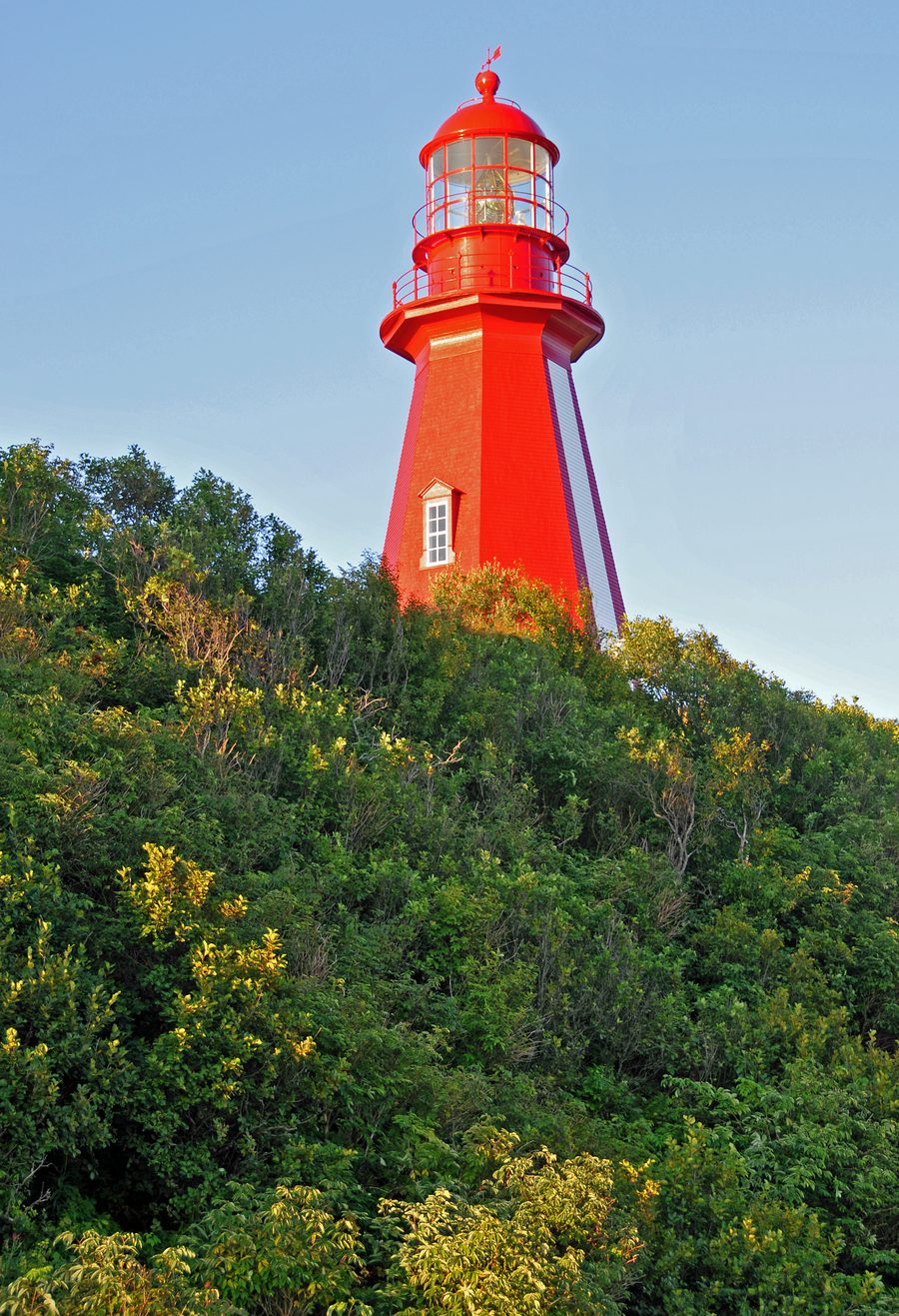 La Martre Lighthouse, a distinctive wooden landmark on the Gaspé coast.
Photo: Dennis G. Jarvis via Wikimedia Commons, CC BY-SA 2.0
La Martre Lighthouse, a distinctive wooden landmark on the Gaspé coast.
Photo: Dennis G. Jarvis via Wikimedia Commons, CC BY-SA 2.0
Quick facts about La Haute-Gaspésie
- Landscape: Coast and mountains shape the regional travel picture.
- Culture: Lighthouses, harbors, coastal history, museums, and galleries are part of the orientation.
- Cuisine: Mentioned here are salmon, halibut, lobster, and local gin and beer specialties.
- Travel season: In summer, water and outdoor activities are at the center; for winter, snow activities are described from December through the end of March. You should check current conditions before you travel.
Between coast and Chic-Chocs: experiences for different days
The region can be experienced as a mix of sea and mountain scenery. Hiking trails in the Chic-Chocs are mentioned for different skill levels; you should check the actual difficulty of individual trails each time. Depending on the season, water activities or winter options such as cross-country skiing and snowshoeing are added. This allows you to combine active days with quieter stretches without limiting the program to just one kind of experience.
Regional history also gives structure to the trip: museums, galleries, festivals, harbors, and lighthouses complement the natural experiences. The menu features regional seafood such as salmon, halibut, and lobster, as well as local gin and beer specialties. Travelers with children can combine days with different interests in this way; you should check specific offers and current opening hours in advance.
Places and route as a decision factor for accommodation
The regional travel route follows a drive along several coastal towns and stops. If you want to combine different impressions, consider the location of your accommodation as part of your daily planning and choose the place page according to the stops you intend to visit. Exact travel times and distances cannot be derived from this.
For this coastal route, you can classify Cap-Chat as the western entry point, Mont-Saint-Pierre with its beach and view of the mountain of the same name, and Sainte-Anne-Des-Monts as the endpoint of the sector described. This is route guidance, not a ranking of places. In Cap-Chat, the route also mentions a distillery with regional botanicals; you should check the current information for visiting conditions.
La Martre is described especially concretely as a single place example: coastline, beach, waterfall, a red wooden lighthouse, regional products, and local history come together there as a cultural and nature stop. This does not imply a general accommodation recommendation, but it can play a role when planning a route with coastal and cultural experiences.
You can also look at the place pages Gros-Morne and Rivière-La-Madeleine for your further regional selection.
Travel season, weather, and daily rhythm
In summer, the tourism page describes water activities and restaurant terraces, while winter from December through the end of March is associated with cross-country skiing, snowshoeing, and other snow activities. Choose your accommodation location according to the mix of activities you want and, in changeable weather, plan in some culture or quieter days as well. You should check current snow and seasonal conditions, as well as the seasonal opening of individual offers, before you travel.
Which location suits your travel plan?
For an apartment or holiday home in La Haute-Gaspésie, there is no single best place. What matters is whether you want to combine several coastal stops on a regional route, blend coastal and mountain scenery, or consciously include culture, lighthouses, and regional cuisine in your daily rhythm. Before booking, check the planned direction of your excursions, the activities available in the current season, and the conditions important to your family for self-catering and arrival.
If you would also like to compare other regions of Quebec, go back to Quebec.
Frequently asked questions about La Haute-Gaspésie
What makes La Haute-Gaspésie special as a travel destination?
The region combines coast and mountain scenery. Its regional character also includes lighthouses, harbors, coastal history, museums, galleries, and hiking trails.
Which experiences can be combined in La Haute-Gaspésie?
Depending on the season, you can combine nature and coastal days with hiking trails, water activities, cultural offerings, and regional seafood.
How do the locations differ in La Haute-Gaspésie?
For orientation, Cap-Chat can be named as the western entry point of the route, Mont-Saint-Pierre with beach and mountain views, and La Martre with lighthouse, coastal, and cultural features. Gros-Morne and Rivière-La-Madeleine are additional place pages for your regional selection.
What role does the travel season play?
For summer, water and outdoor activities are described; for winter, snow activities. You should check current conditions and seasonal openings in advance.


.jpg)