
Discover Sweden: Nature, Cities, Coasts, and Islands
Accommodation in Sweden
Sweden is a destination for families who do not want every holiday day to feel the same: days in forests and by lakes can be followed by city experiences, islands, coasts, or regional specialties. The country combines expansive landscapes with cultural discoveries and therefore lets you choose between very different types of trips.
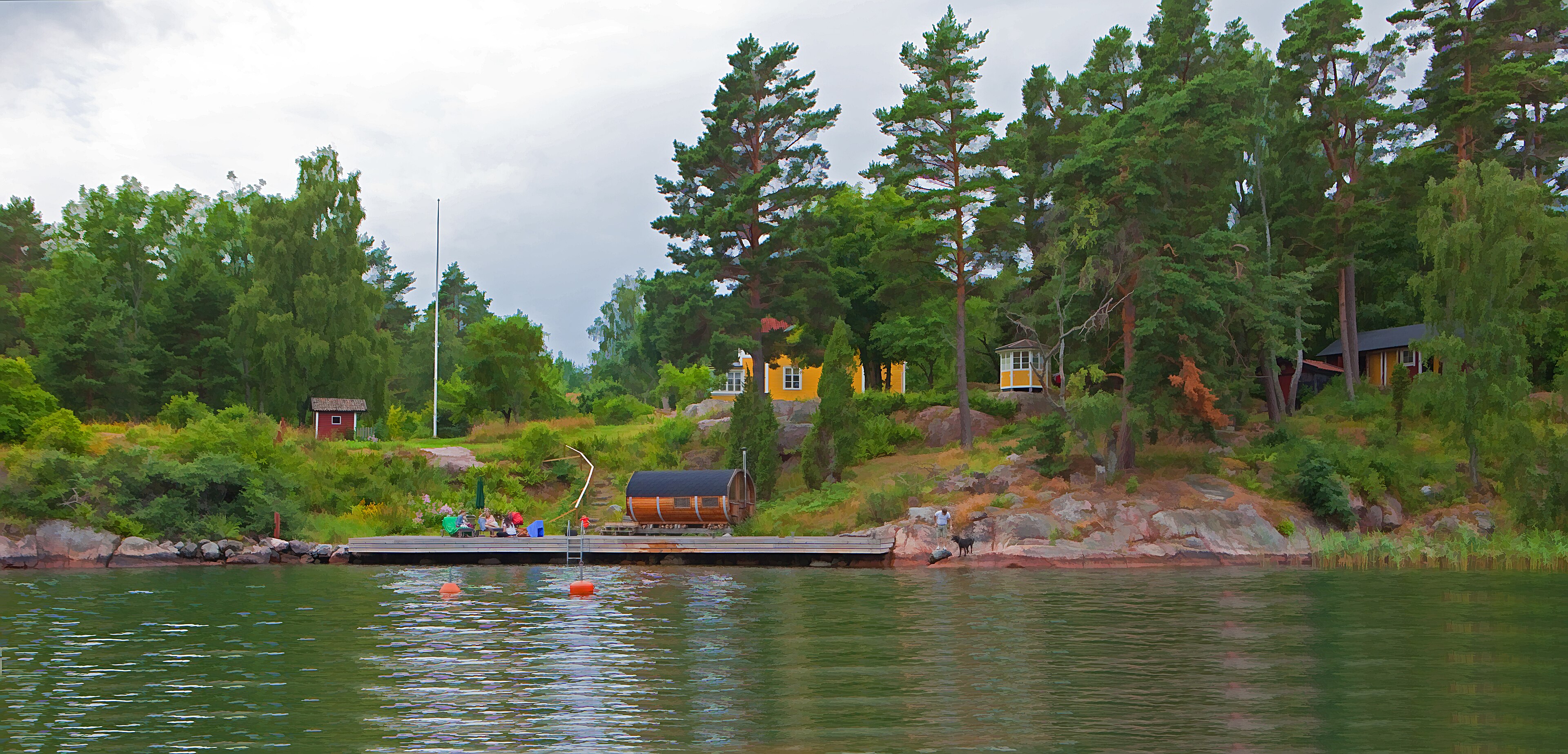 Der Stockholmer Schärengarten verbindet Inseln, Wasser und Küstenlandschaft.
Photo: Bengt Nyman from Vaxholm, Sweden via Wikimedia Commons, CC BY 2.0
Der Stockholmer Schärengarten verbindet Inseln, Wasser und Küstenlandschaft.
Photo: Bengt Nyman from Vaxholm, Sweden via Wikimedia Commons, CC BY 2.0
In brief
- Two thirds of Sweden is forested, creating good conditions for days among woods, lakes, and quiet landscapes.
- Almost 100,000 lakes shape the country and make water an important part of many travel ideas.
- Under the right of public access and with due regard for the applicable rules, it is possible to hike, cycle, swim, go boating, pick berries, and camp in nature.
- Northern Sweden stands for nature experiences, the Northern Lights, and the Midnight Sun; central Sweden combines Stockholm with quieter landscapes.
- Southern Sweden ranges from the gentle beaches of Skåne to the archipelago coast of Blekinge.
- On Gotland, truffles and saffron pancakes are among the regional culinary discoveries.
Between forest days, water, and city culture
Sweden’s landscape is especially appealing when a trip allows for several paces. Forests and lakes invite movement and quiet pauses, while island groups and coasts open up a different view of the country. The right of public access is part of the Swedish travel idea: it makes nature easier to enjoy, but it also requires consideration for others and respect for the applicable rules and protected areas.
For families with different interests, this makes it easy to vary the day. A shared outing can start outdoors and later be complemented by culture, history, or food and drink. Cities are not a contrast to nature either: Stockholm combines urban life with the wide-reaching archipelago just outside the city. More than 30,000 islands make this watery world one of Sweden’s most memorable images.
Culture and taste as part of the trip
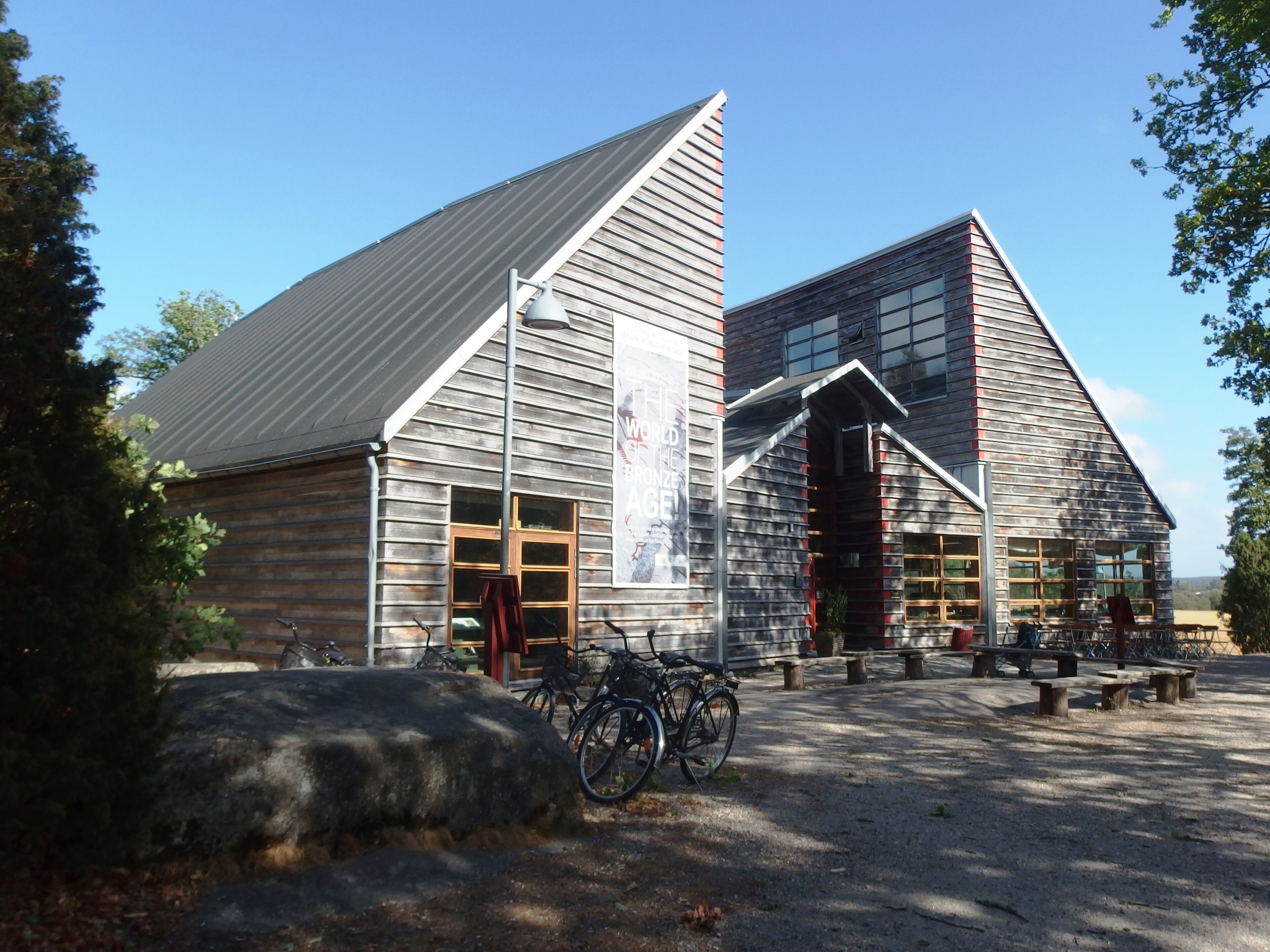
Sweden shows its regional diversity not only in its landscapes. The Vitlycke Museum near Tanumshede introduces rock carvings with a UNESCO World Heritage connection and provides a concrete cultural stop on a trip through the west. Places like this make history easy to understand without forcing a holiday to revolve around a single theme.
The cuisine also brings regional differences to the table. Swedish food culture often focuses on local products; for Skåne, produce, fish, and meat are among the defining elements. Gotland is associated with truffles and saffron pancakes. Saffron pancake is a creamy rice pudding casserole traditionally served with cream and blackberry jam — a specific discovery for an island stay between landscape, culture, and enjoyment.
Which Sweden trip suits you?
The size of the country makes it worthwhile to decide first on your main focus. Northern Sweden suits a travel idea centered on vast nature and special natural phenomena. If the Northern Lights or the Midnight Sun are key to your planning, you should check the right travel season separately.
Central Sweden offers a different contrast: Stockholm stands for city life, while Värmland and Dalarna are associated with quieter nature experiences. This can be attractive for families who want to combine culture and nature in one trip without giving both areas equal weight.
Southern Sweden, in turn, brings together different coastal landscapes. Skåne stands for gentle beaches and a regional food culture, Blekinge for archipelago coast. Anyone who wants to combine islands, regional cuisine, and scenery will find a distinctive travel character on Gotland. For a cultural stop in the west, the Vitlycke Museum near Tanumshede is an easy-to-understand destination.
Choose your base according to your daily rhythm
In Sweden, the right base depends strongly on the landscape your family wants to experience. For forest and lake days, the location should be chosen according to the natural setting you want to be close to. If you want to combine Stockholm and the archipelago, you need to weigh a central city location against proximity to the waterscape. That decision determines whether culture and city life or islands and water set the tone of the day.
A single base works especially well if you want to focus on one experience area — such as the quieter nature experiences in Värmland and Dalarna, the coastal scenery of southern Sweden, or the combination of Stockholm and the archipelago. If northern nature, central landscapes, and southern coasts are all meant to be part of the same trip, it makes more sense to divide the journey into several focal points than to try to cover every idea from one location.
The desired balance between active and quieter days can also be aligned with these travel images: forests and lakes stand for nature days, Stockholm for city life, the archipelago for island and water experiences, and Gotland additionally for regional culinary discoveries. When choosing, consider which of these Swedish focal points should actually shape your family’s everyday holiday rhythm.
Explore Sweden’s regions further
For southern coast and island ideas, the regional deep dives lead to Blekinge, Gotland, Halland, Kalmar, Kronoberg, Öland, Skåne, and Västra Götaland. Gotland and Skåne offer concrete starting points for cuisine and coastal scenery; Västra Götaland is the right extension for a cultural stop at Tanumshede.
For cities, lakes, and quieter nature experiences in the middle of the country, you can take a closer look at Dalarnas Län, Gävleborg, Jönköping, Örebro, Östergötland, Södermanland, Stockholm, Uppsala, Värmland, and Västmanland. Stockholm is the deep dive for city and archipelago, while Värmland and Dalarna are for quieter nature experiences.
For a northern nature focus, Jämtland, Norrbotten, Västerbotten, and Västernorrland are available for further orientation. This keeps the country’s diversity visible while you choose the region whose landscape and daily rhythm best fit your travel idea.

.jpg)
.jpg)