
Holiday apartment in Elbląg
Accommodation in Elbląg
Elbląg, known in Polish as Elbląg, combines historical city associations with waterscapes and varied landscape forms. Founded in the 13th century, the city lies in the Warmian-Masurian Voivodeship. In the regional context, Żuławy Wiślane as a flat delta landscape, the Zalew Wiślany, and the more hilly Wysoczyzna Elbląska come together. When choosing a holiday apartment, the first question is therefore: Should the accommodation primarily support a historic city focus, or should it suit water- and landscape-oriented experiences?
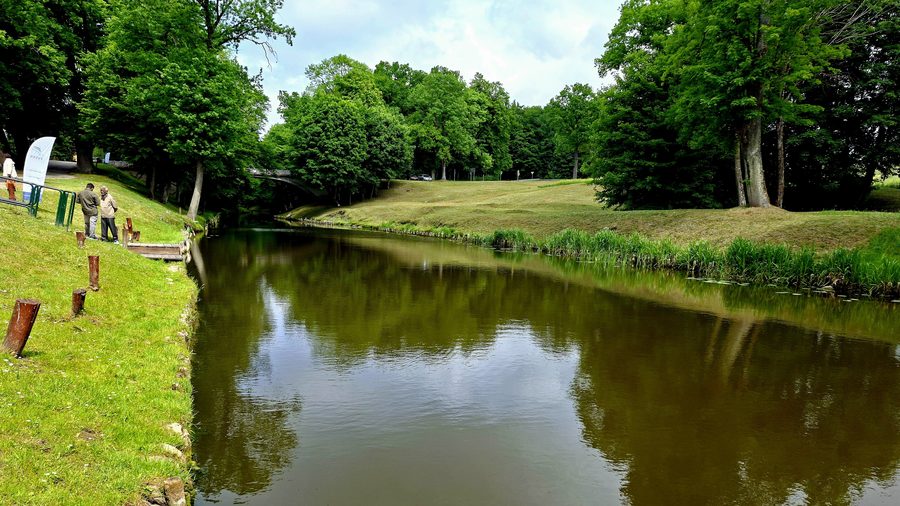 Der Oberländische Kanal, auch Elbląg-Kanal genannt, ist ein historischer Wasserweg in Nordpolen.
Photo: Bybbisch94 via Wikimedia Commons, CC BY-SA 4.0
Der Oberländische Kanal, auch Elbląg-Kanal genannt, ist ein historischer Wasserweg in Nordpolen.
Photo: Bybbisch94 via Wikimedia Commons, CC BY-SA 4.0
Quick facts about Elbląg
- Historical background: Elbląg, historically called Elbing, was founded in the 13th century.
- Landscape: Żuławy Wiślane stand for a flat delta landscape; the Wysoczyzna Elbląska forms a more hilly landscape area.
- Water and heritage: The Pętla Żuławska links waterways with Gothic castles, arcaded houses, movable bridges and locks.
- Planning question: What matters is the desired mix of city history, waterscapes and landscape forms - not just the name of a place where accommodation is located.
City history meets regional waterways
Elbląg can be seen as a starting point for a trip in which historical references and excursions into the landscape belong together. The city's history goes back to the 13th century; Elbing is the historical German name of the city. In this way, city history, waterways and regional heritage can be combined in one travel plan.
The Pętla Żuławska links waterways with Gothic castles, arcaded houses, movable bridges and locks. Anyone interested in engineering structures and history should pay attention, when choosing accommodation, to the actual location in relation to the planned waterways and heritage sites.
Which landscape suits your own travel plan?
Żuławy Wiślane stand for a flat delta landscape with canals, locks, bridges and characteristic historic buildings. The Zalew Wiślany adds to the region's water-based character. Anyone who wants to combine delta and waterscapes with cultural heritage should decide on the main focus before choosing accommodation.
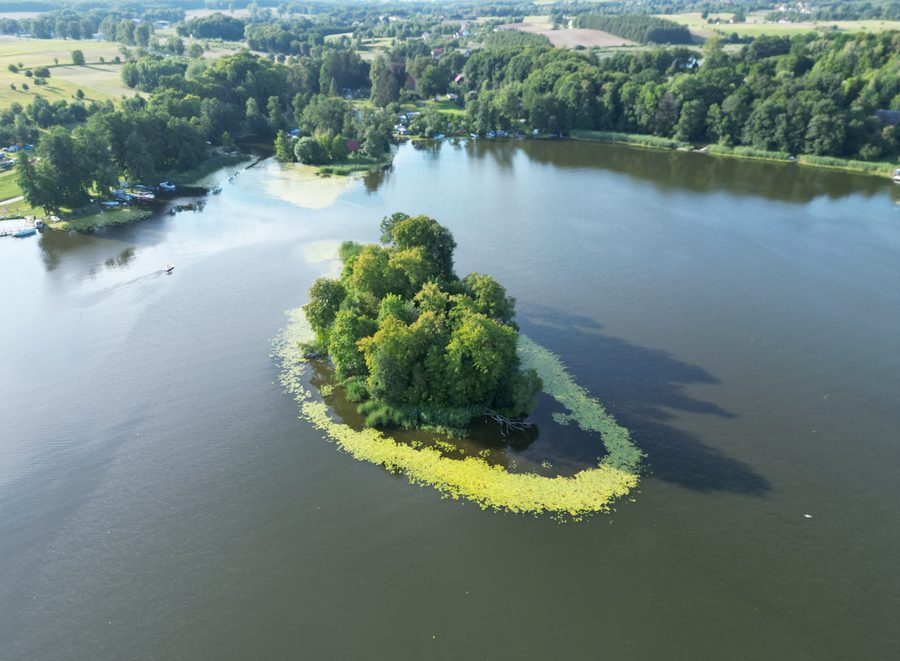
The Wysoczyzna Elbląska provides a contrast to this. The more hilly landscape area features pronounced terrain forms and slopes down to the adjacent plains and waterscapes. This sets a flat delta landscape against a more strongly sculpted surrounding area. Those who prefer upland landscapes should check the actual location of the holiday apartment in relation to this landscape area.
Select a holiday apartment by your preferred type of experience
Anyone who wants to combine historic city associations and culture with excursions can consider Elbląg as a starting point. Those looking primarily for delta, lagoon or upland landscapes should check the location in the surrounding area separately. Without specific information on location and amenities, an accommodation cannot be described as the best starting point.
A clear order helps with the decision: first define the themes you want, then distinguish between the city, delta and waterscapes or the hillier surrounding area, and only then check the specific holiday apartment. For a water-oriented trip, the actual location in relation to the documented waterscapes should be verified. For a cultural program, it is equally important not to judge the location only by the name “Elbing”. Travel times, transport connections, shopping options and amenities must be checked for each individual offer.
In this way, different interests within a family can come together: historic city associations, waterways, technical heritage and varied landscape forms all belong to a regional travel plan, without every place or every accommodation offering the same conditions.
Other place names in the Elbląg area
For regional orientation, the following linked place names apply: Bogaczewo, Bogdaniec, Elbing, Godkowo, Gronowo Górne, Kadyny, Kazimierzowo, Komorowo Żuławskie, Łęcze, Oleśno, Pasłęk, Pilona, Plajny, Rychliki, Sałkowice, Szymbory, Tolkmicko and Wopity.
Frequently asked questions about Elbląg
What makes Elbląg interesting as a travel destination?
Elbląg combines historic city associations with the landscapes of Żuławy Wiślane, the Zalew Wiślany and the Wysoczyzna Elbląska. This makes it possible to plan a trip that includes city history, waterscapes and different landscape forms.
Which landscapes can be distinguished around Elbląg?
Żuławy Wiślane stand for flat delta and waterscapes, while the Wysoczyzna Elbląska forms a more strongly sculpted landscape area. The Zalew Wiślany adds to the region's water-related character.
Is the region more suitable for city or nature interests?
Both can be combined: historic city associations in Elbląg stand alongside waterways, heritage and different surrounding landscapes. Which holiday apartment is suitable depends on its specifically checked location.
Anyone who would like to view the landscapes of Warmia-Masuria in a broader context will find additional orientation at Warmia-Masuria. For Elbląg, the central question remains: should the accommodation primarily support the historic city focus, or water- and landscape experiences in the surrounding area?


