
Discover Poland
Accommodation in Poland
Poland invites you on a trip where water, nature, city history and regional cuisine can all be combined. On the Baltic Sea, sandy beaches, dunes, coastal forests, port cities and seaside resorts alternate; in Warmia-Masuria, the Masurian Lake District offers a completely different waterscape. Add to that the maritime cultural character of the Gulf of Gdańsk and a cuisine featuring pierogi, bigos and żurek, and you have culinary discoveries to enjoy together on family days out.
Short & sweet
- Poland’s Baltic coast combines sandy beaches, dunes, coastal forests, port cities and seaside resorts.
- The western, central and eastern stretches of the coast each have their own character and do not form a single unified holiday landscape.
- The Masurian Lake District in Warmia-Masuria is a major lake region with Poland’s largest lakes.
- In the Gulf of Gdańsk area, days by the sea can be combined with maritime city history and culture.
- Pierogi, bigos and żurek provide typical culinary touchpoints for a journey through Poland.
Sea or lakes: two very different water experiences
The Baltic coast is ideal for families who want to combine broad beaches, dunes, coastal forests and maritime places. But the coast is not a single, uniform holiday area: the western, central and eastern sections each have their own emphasis. If you are mainly planning beach days, you can focus your holiday on one coastal town and its immediate surroundings. If you also want to include port towns, natural areas and different coastal landscapes, a trip with carefully chosen stops is a better fit for this varied programme.
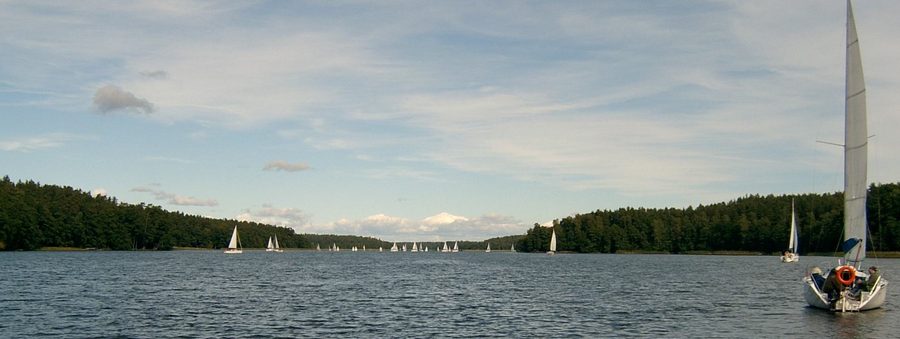
Masuria offers a natural contrast by the water. The Masurian Lake District shapes the northeast with its large lakes. Swimming and possible boating experiences can create a very different day from a holiday by the sea. A lakeside location is therefore especially suitable if water and nature are meant to define the stay rather than the contrast between beach and town.
Gulf of Gdańsk: combine coastal days with city history
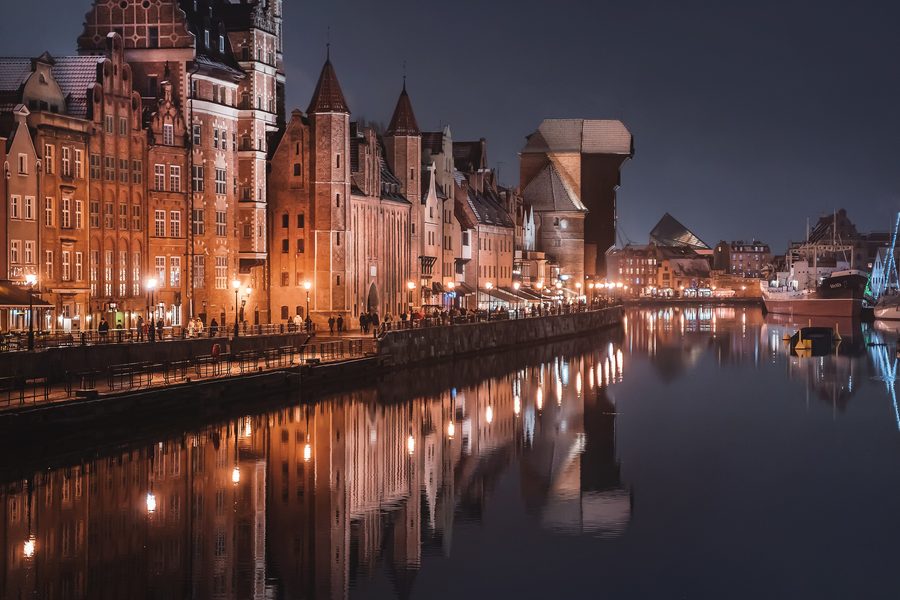
In the Gulf of Gdańsk area, a seaside holiday gains a cultural dimension. Gdańsk combines maritime history with cultural impressions; Sopot stands for seaside-resort tradition, while Gdynia is shaped by its port, modernity and the 20th century. For families with different interests, this mix can be especially appealing: a day by the water is followed by a city visit that broadens the holiday with historic images and a maritime atmosphere.
Which starting point suits your holiday?
For a stay with beach, dunes and coastal forest, a fixed coastal town is a sensible choice. If your plans also include port towns, city history and several coastal landscapes, the accommodation should fit not only bathing but also the day trips you intend to take. A journey with multiple locations can then be a worthwhile alternative. For a nature holiday by the water, a lakeside setting in Warmia-Masuria is a separate focus in its own right.
First decide which experience should shape the holiday: the Baltic Sea with its beaches, the Masurian Lake District with its lake scenery, or the combination of coast and maritime city history in the Gulf of Gdańsk. You can then match the base location precisely to your preferred pace of travel and planned excursions. If short distances to a particular experience matter, check the exact location of the accommodation before booking.
Polish cuisine as a shared discovery
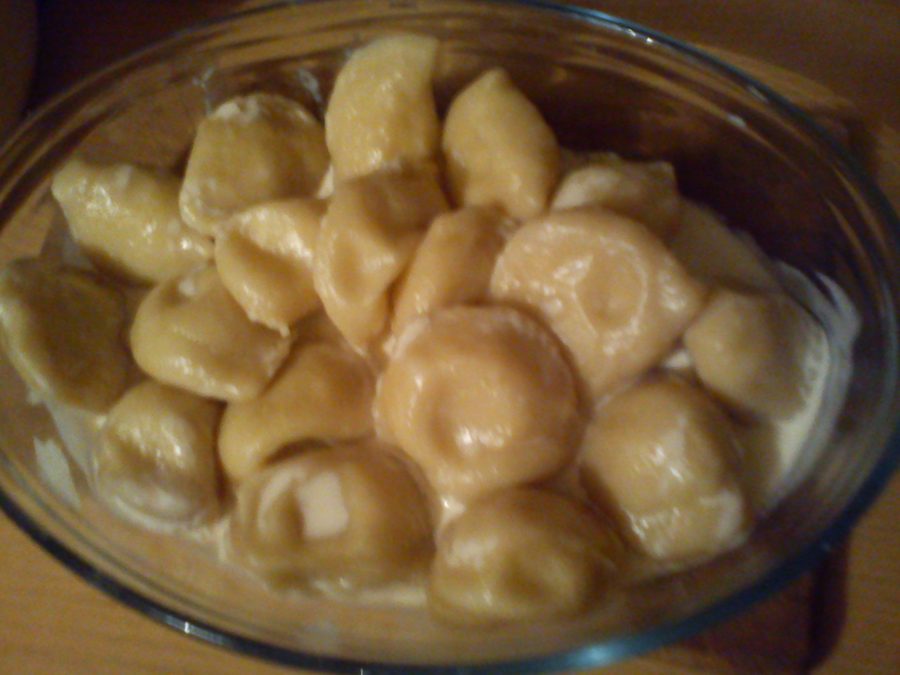
Dishes can give a trip structure without requiring a separate excursion. Pierogi, bigos and żurek are among the Polish specialties that offer appealing culinary touchpoints. Oscypek is mentioned as a smoked sheep’s cheese from Poland’s mountain regions. This makes it easy to add a regional flavour between a walk on the beach, a day at the sea or a city visit. For families in particular, mealtimes create a shared moment in which different interests can come together more easily.
Regional destinations in Poland
Besides Warmia-Masuria, you can also choose Greater Poland, Holy Cross, Subcarpathia and Lesser Poland among the regional destinations in Poland.
Other regional destinations include Kuyavia-Pomerania, Lubusz, Łódź, Lublin, Masovia and Lower Silesia. Also listed under Poland are Opole, Podlachia, Pomerania, Silesia and West Pomerania. When choosing your accommodation, the key question remains whether the holiday should centre on the sea, lakes, city history or a combination of these priorities.
Frequently asked questions about Poland
Is Poland better suited to a nature holiday, a city break, or a combination of both?
Both can be combined. The Baltic coast brings together beaches, dunes and coastal forests with port cities and seaside resorts, while the Masurian Lake District stands for water and nature. In the Gulf of Gdańsk, maritime city history is added as a separate part of the trip.
Which region in Poland is best for a holiday by the water?
The Baltic coast is all about beaches, dunes, coastal forests and maritime places. Warmia-Masuria offers a different kind of waterscape with large lakes in the Masurian Lake District. The choice therefore depends on whether the sea or a lake landscape should define the holiday.
Which Polish specialties can you discover on a trip?
Pierogi, bigos and żurek are culinary examples from Poland. As a mountain-region speciality, oscypek, a smoked sheep’s cheese, is also mentioned.


