
Vacation apartment in Central Tigray
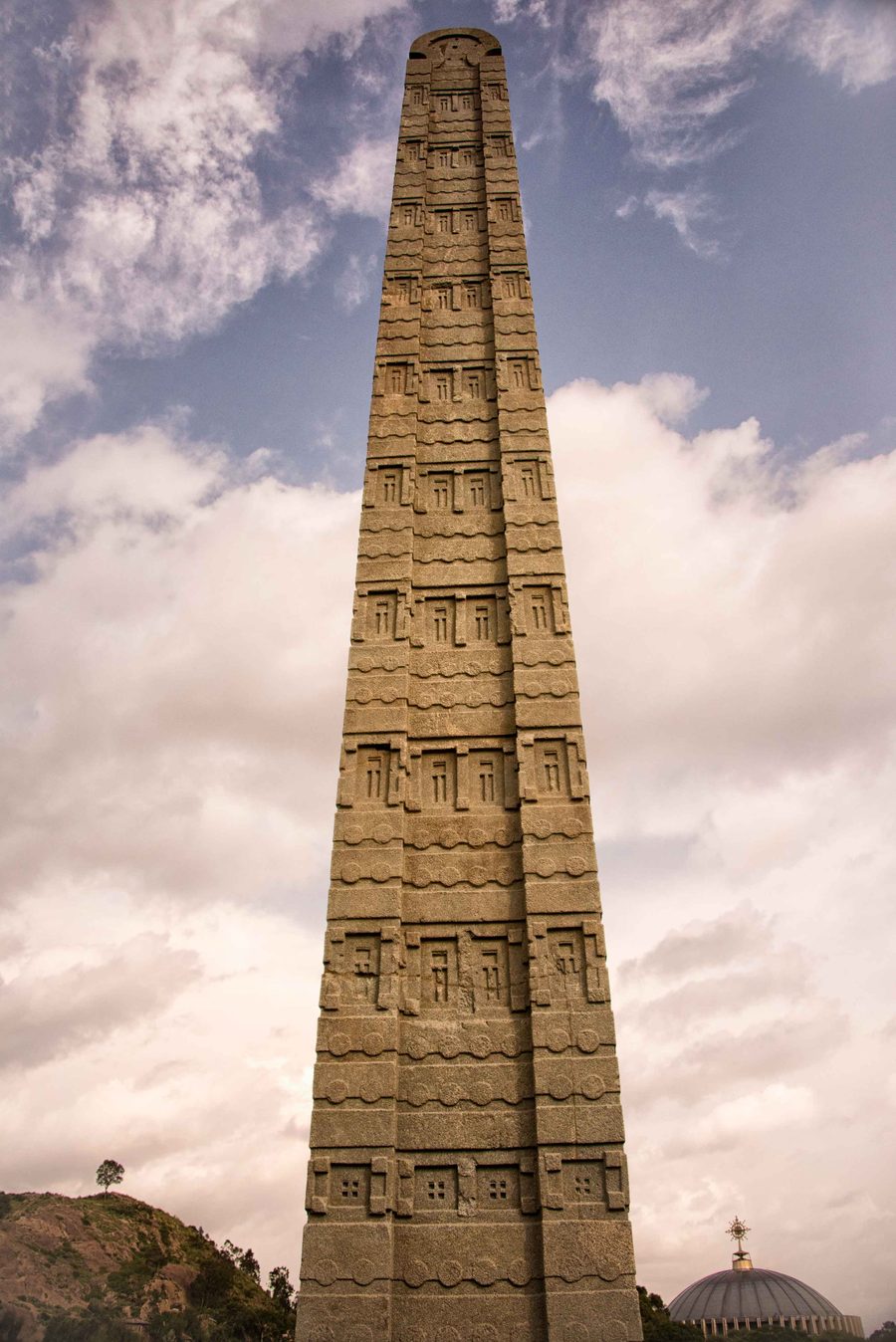 Das Stelenfeld von Aksum mit seinen monumentalen Steinmonumenten ist eines der bekanntesten Zeugnisse des antiken Aksum.
Photo: Rod Waddington from Kergunyah, Australia via Wikimedia Commons, CC BY-SA 2.0
Das Stelenfeld von Aksum mit seinen monumentalen Steinmonumenten ist eines der bekanntesten Zeugnisse des antiken Aksum.
Photo: Rod Waddington from Kergunyah, Australia via Wikimedia Commons, CC BY-SA 2.0
Central Tigray takes you into a historic highland landscape around Axum, the ancient heart of northern Ethiopia. For a shared travel plan, history becomes tangible here: stelae, royal tombs, old ruins, and churches come together to form a cultural focal point. The combination of several historical impressions gives your trip a clear thematic frame and makes Central Tigray either a distinct part of an Ethiopia journey or a concentrated stay.
Key facts about Central Tigray
- Character: heritage-shaped subregion in the Ethiopian highlands
- Historical center: Axum, which held political and ceremonial significance in the past
- Defining impressions: stone monuments, the stelae field, royal tombs, ruins, and churches
- Suitable travel rhythm: a culture-focused, place-based stay rather than a classic resort trip
A journey with visible history
Central Tigray is a good fit if you want your stay in Ethiopia to be shaped by ancient heritage, sacred places, and a historically charged town atmosphere. Axum tells the story of an ancient capital; its monuments make political and ceremonial significance easy to understand. For travelers who want to collect shared experiences at visible historical anchor points, this creates a connected story with several cultural stops.
This connection is also important for day planning: instead of treating the subregion as just a stopover, you can deliberately tie the historical impressions together into a dedicated part of the trip. That makes the stay easy to plan when different interests within a shared journey are meant to come together around one cultural focus.
Stelae, tombs, and the heritage of Axum
The stelae field is one of the most memorable sights in Axum. The monumental stone works, royal tombs, and other ancient ruins present the subregion as a historic landscape in which several places and traces work together. The appeal therefore lies not only in a single structure, but in the sequence of different impressions you can discover and interpret together.
If you want to trace historical connections through visible monuments, you will find a clear thread here. The stelae and tombs stand for ancient Axum; the highland setting and open horizons at the same time give this heritage a spatial frame.
Archaeology, faith, and local identity
Axum is not only a destination for archaeological sightseeing. According to the present classification, archaeology, faith, and local identity come together here in a historic landscape. Churches add a religious dimension to the ancient remains and make the stay culturally layered.
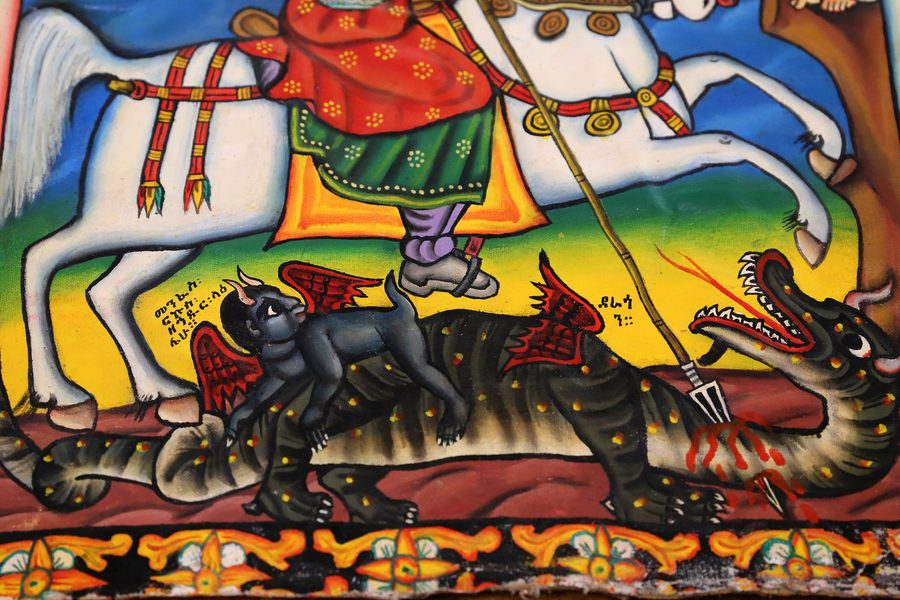
For your travel decision, this means: if you value a cultural stay with several layers of meaning more than a simple ruins destination, Central Tigray offers the more suitable focus. The historical traces remain visible, but they are connected to religious tradition and the place's contemporary character.
Choosing Axum as the right base
Vacation rental in Axum is the obvious choice if your stay is built around monuments, churches, royal tombs, and the historic townscape. Axum is the clearest point of orientation in Central Tigray and therefore supports a travel plan in which several shared program points can be organized from one historical base.
When choosing your base, first consider the travel rhythm you want: if the trip is to include a place-based, heritage-oriented section, then concentrating on Axum speaks for accommodation in the most important historical reference point of the subregion. If, on the other hand, you only want to place Central Tigray within a broader regional plan, looking at Tigray gives you the larger perspective.
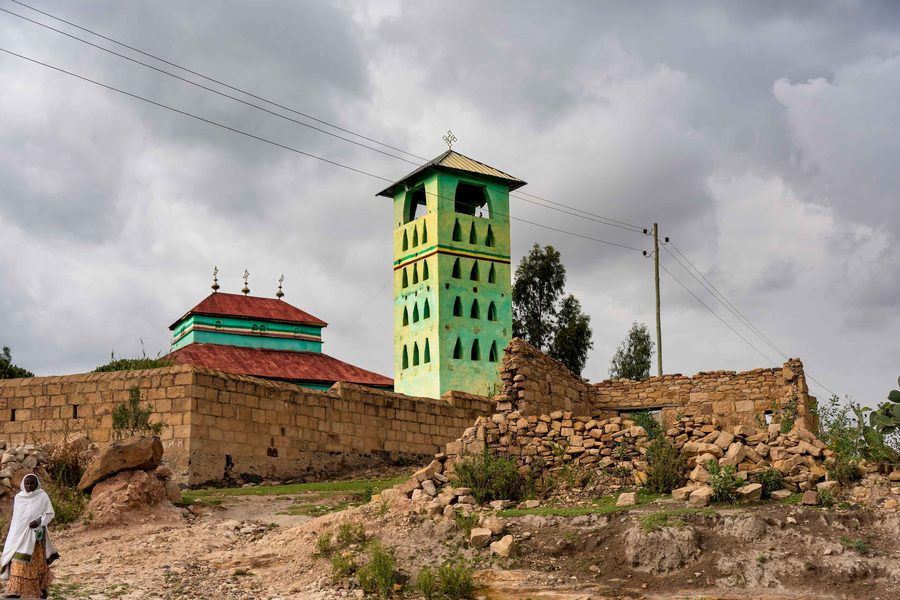
The highland setting supports a slower, place-based pace. Plan your days so that the historical highlights appear not just as a short item on the itinerary, but as a connected experience with time for monuments, religious heritage, and the historic atmosphere of Axum.
What kind of trip Central Tigray suits
Central Tigray is a coherent choice if you want to design a culture-focused trip with visible historical anchors. The sequence of ancient capital, stelae, royal tombs, ruins, churches, and highland landscape makes the choice of this subregion easy to understand. You can plan Axum as a concentrated stay or use Central Tigray as a distinctive section of a larger round trip.
For the accommodation decision, the key factor is the connection between base and trip idea: Axum supports a heritage-oriented stay. First decide whether your shared travel story should come together in one historic place or whether you want to plan the stay as a larger touring segment with changing emphases.
Frequently asked questions about Central Tigray
What makes Central Tigray an interesting travel destination?
Central Tigray is the historic setting of Axum, the ancient heart of northern Ethiopia. Stelae, large stone monuments, royal tombs, and old ruins make the history of the subregion immediately tangible.
Is Axum only about archaeology?
No. Axum combines archaeological remains with faith and local identity. This makes the place feel culturally more layered than a pure ruins destination.
What base is suitable for a stay in Central Tigray?
Axum is well suited as a heritage-oriented base in the highlands when monuments, churches, tombs, and the historic townscape are the focus. The place is especially suitable for a place-based travel itinerary in which several cultural impressions are combined in one connected stay.

.jpg)

