
Accommodation in Ethiopia
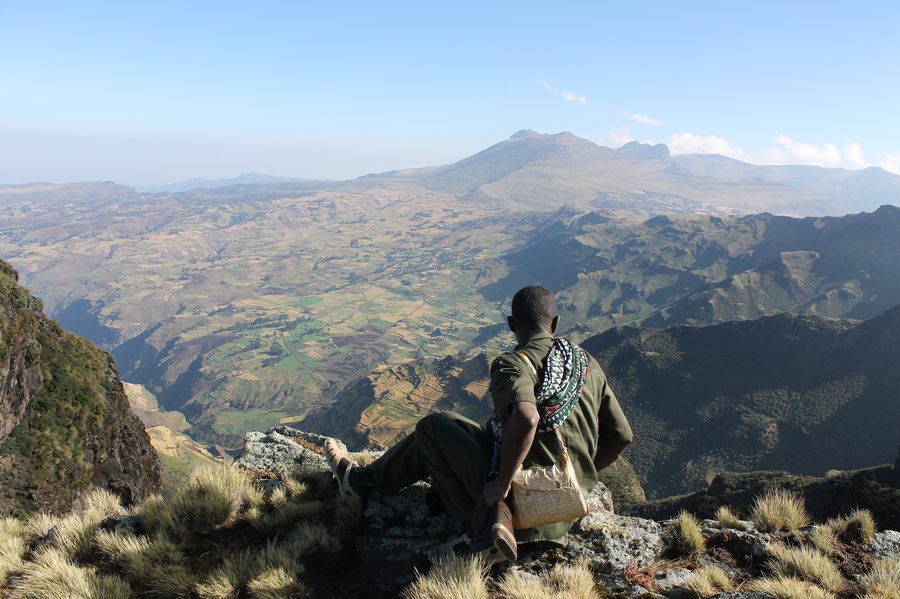 Highland scenery in the Simien Mountains, Ethiopia.
Photo: Charliefleurene via Wikimedia Commons, CC BY 4.0
Highland scenery in the Simien Mountains, Ethiopia.
Photo: Charliefleurene via Wikimedia Commons, CC BY 4.0
Ethiopia is defined by contrasts: the highlands, historic sites, everyday coffee culture, and very different travel routes make choosing the right accommodation base more important than in a country with just one clear focus. For family travel, the biggest gain comes when the trip shape is decided first: arrival and a short city stay, a culture-focused northern route, or a longer combination of landscapes and places.
Quick facts
- Ethiopia is strongly shaped by the highlands and, at the same time, by changing landscapes from one region to the next.
- Addis Ababa is a natural starting point for the first nights and for getting oriented.
- Lalibela, Gondar, and Aksum belong to the historic core of many trips.
- Coffee is a visible part of everyday life and an easy gateway to the culture.
How to choose the right base
For accommodation, this mainly means: the best location is the one that makes your route feel manageable. If you think about distances, luggage, and children’s routines, Ethiopia is easiest to understand in three ways: a city start, a cultural route in the north, or a broader journey with several clearly defined stages. The more you want to combine experiences, the more important it becomes to have a base that fits the route rather than simply looking good on the map.
City start and coffee in Addis Ababa
For many trips, Addis Ababa is the logical first stop. The city works well for the first nights, for orientation, and for deciding whether to head north next or continue with a differently structured round trip.
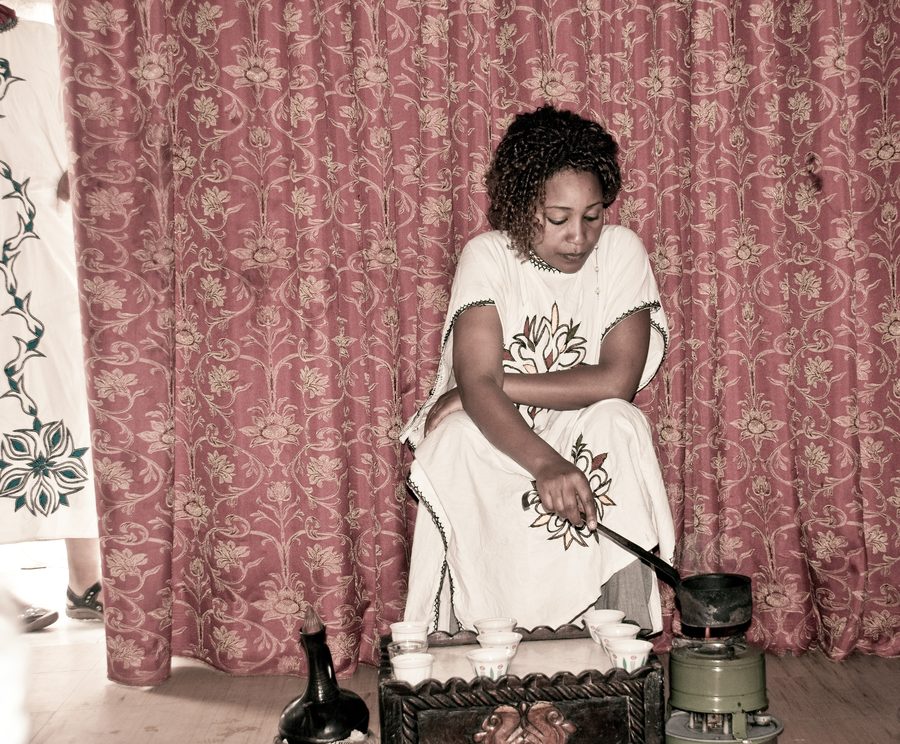
This is especially practical if you are travelling with children and do not want to change bases several times at once. Coffee culture also makes the introduction immediately tangible and shows how closely everyday life and the travel experience are connected here.
Nature and the highlands
Ethiopia is strongly shaped by the highlands, and the Great Rift Valley intensifies the landscape contrasts significantly. Anyone who includes nature in the accommodation decision quickly notices that the country does not feel like one continuous space, but like a sequence of very different landscapes. The Simien Mountains show how dramatic the highlands can feel.
For visitors, this is above all a question of location: if you want to combine landscapes and quieter days, it makes more sense to plan accommodation as part of a route rather than as a single isolated base.
History along the northern route
The classic northern route combines history and landscapes in a compact area. If you follow this logic, you quickly arrive at the historic axis around Lalibela, Gondar, and Aksum. On this page, Amhara and Tigray serve as regional reference points for a culture- and highland-oriented trip.
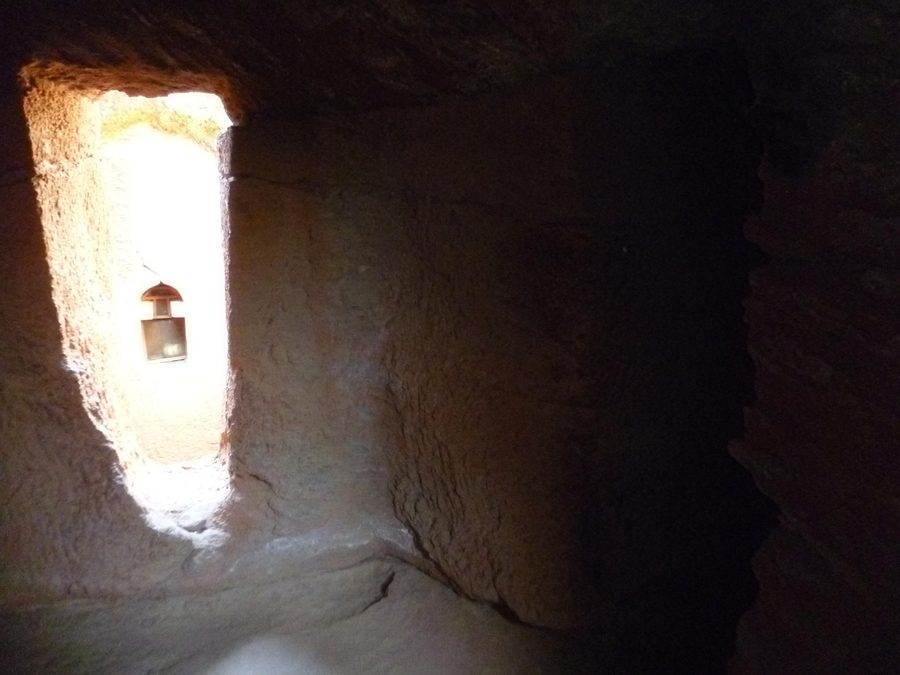
This makes it easier to choose accommodation along a northern route rather than as a single isolated base. For families, that is useful because a clearly planned route can keep the number of moves low while still offering plenty to do and see.
More regions for broader trip planning
Beyond the best-known routes, other regions remain relevant when you read Ethiopia as a country with several possible starting points.
- Benishangul-Gumuz as another regional choice in the country context.
- Dire Dawa as an independent regional option.
- Harari as another selectable region.
- Oromia as a large region with varied landscapes.
- Somali as another regional option without further detail here.
- Southern Nations, Nationalities, and People's Region as another choice within broader round-trip planning.
This keeps the page open to different travel patterns: a short city start, a culturally shaped northern route, or a broader combination of regions.
Frequently asked questions about Ethiopia
Why is Addis Ababa worth choosing as a first stop?
Addis Ababa is a natural entry point for a trip to Ethiopia. The first nights can be used well for orientation and arrival before you plan the next stages.
What role does the northern route with Lalibela, Gondar, and Aksum play?
It brings together the historic core of many Ethiopia trips. If you prioritise culture and history, it gives you a clear travel direction instead of many small individual destinations.
What do the highlands and the Great Rift Valley tell you about the trip?
They show why Ethiopia can feel so different from place to place. Landscapes and the travel experience change noticeably, so the right base matters more than it does in flatter, more homogeneous countries.
Why is coffee so closely associated with Ethiopia?
Coffee is a fixed part of everyday life and an easy way into the country’s culture. For visitors in particular, that makes the stay quickly more understandable and tangible.


.jpg)