
Vacation apartment in Oromia
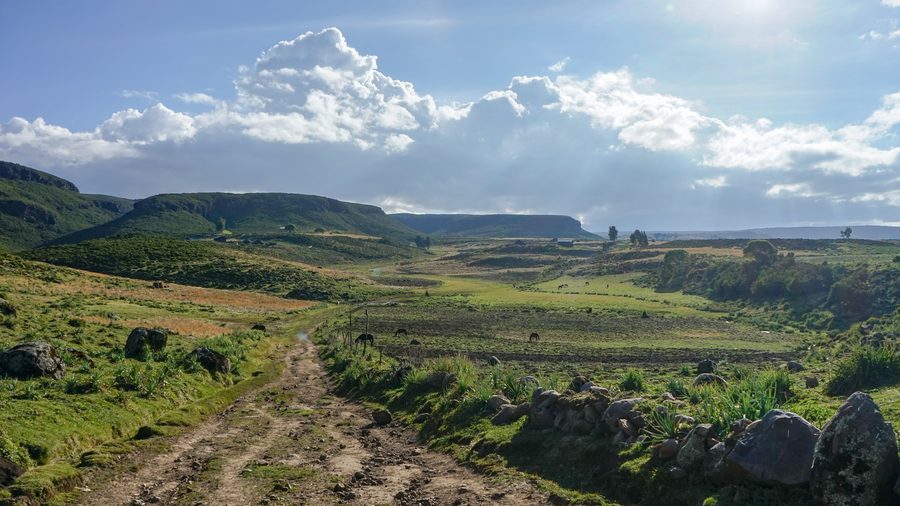 Alpine landscape in Bale Mountains National Park, one of Oromia’s main highland attractions.
Photo: Nina R from Africa via Wikimedia Commons, CC BY 2.0
Alpine landscape in Bale Mountains National Park, one of Oromia’s main highland attractions.
Photo: Nina R from Africa via Wikimedia Commons, CC BY 2.0
Oromia is especially worthwhile if you are traveling as a family and want a region where landscape and accommodation really need to be considered together. Between dry steppe, very high highlands, gorges, forests, waterfalls and lakes, the experience changes depending on where you stay. That is precisely why, in Oromia, choosing a vacation apartment or vacation house is part of the travel decision.
Quick facts about Oromia
- Oromia is a large region in central Ethiopia.
- It stretches from dry steppe to very high alpine terrain.
- Mountains, gorges, forests, waterfalls and lakes shape the landscape.
- The cultural context includes Oromo heritage and the Gada system.
- Important anchors are the Bale Mountains, the Rift Valley lakes, Sof Omar and Melka Qunture.
Landscapes, culture and the travel experience
The appeal of Oromia lies in its contrasts: a day in the highlands feels different from a quiet day by the lake or an excursion to a gorge. For you as a traveler with children, that is especially convenient because you can plan the region differently depending on whether you feel like activity, peace or variety.
The Bale Mountains represent the alpine face of the region. Together with the Rift Valley lakes, Sof Omar and Melka Qunture, they show that Oromia should not be reduced to a single place, but consists of several very different travel impressions.
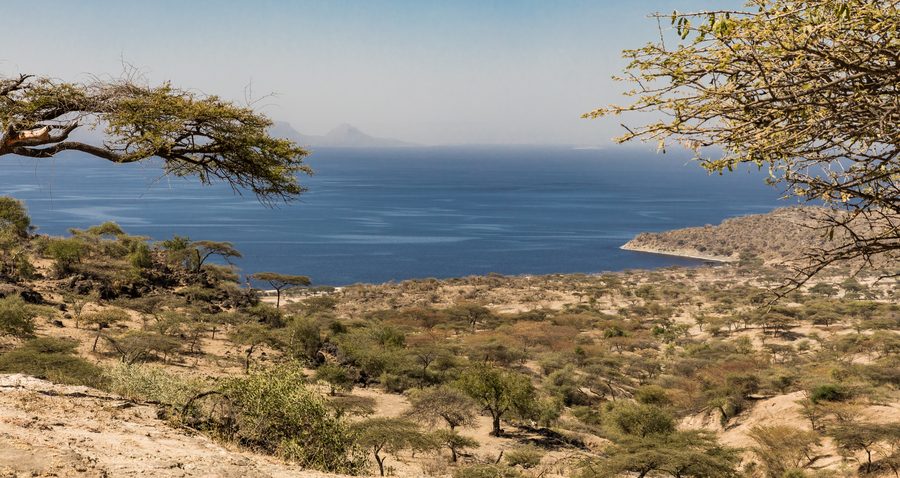
If you are planning quieter days with children, lakes and other natural spots are a good anchor for the daily rhythm. Then the focus is less on frequent changes of location and more on having a base from which you can make individual excursions.
In addition to the landscape, there is also the cultural dimension. Oromo heritage and the Gada system give the region its own profile, and shared meals are also part of this everyday culture. That makes Oromia interesting for families that do not want to separate nature and culture.
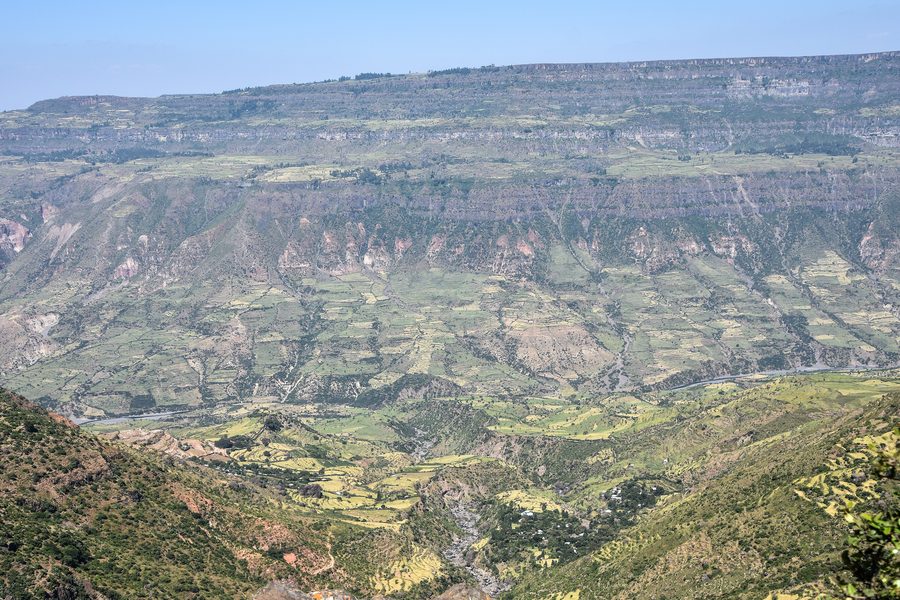
Gorges and waterfalls add striking natural moments to the picture. If you are planning quieter days and individual excursions in Oromia, you can read the region as the backdrop for exactly this kind of mix.
Which location is right for a vacation apartment or vacation house?
Because Oromia is large, the location of your accommodation noticeably affects your day-to-day travel. If you want to combine several destinations, a central base is often the simpler solution. If the stay itself is the main focus, a quieter location or one near a lake may make more sense. That way, the accommodation better matches the pace you want with children.
Local pages in Oromia
If you continue planning within Oromia, these local pages will help as your next points of orientation: Adama, Dukem, East Shewa, Laftu and Sululta; also Gojo, Meki and Ziway as well as Boke Tiko, K'ore and Shashamane.
Frequently asked questions about Oromia
Why are the Bale Mountains, Rift Valley lakes, Sof Omar and Melka Qunture important for Oromia?
They show the breadth of the region: highlands, lakes, gorges and another cultural-historical anchor come together here and give Oromia its profile.
Which base is more suitable for families in such a large region?
A central base helps if you want to combine several destinations. If you prefer a quieter stay, a location is better that does not plan the day around many changes.
What role do Oromo heritage, the Gada system and shared meals play?
They give Oromia a human and cultural dimension in addition to the landscape, making the stay feel more tangible.

.jpg)
.jpg)
