
Vacation Rental in Tigray
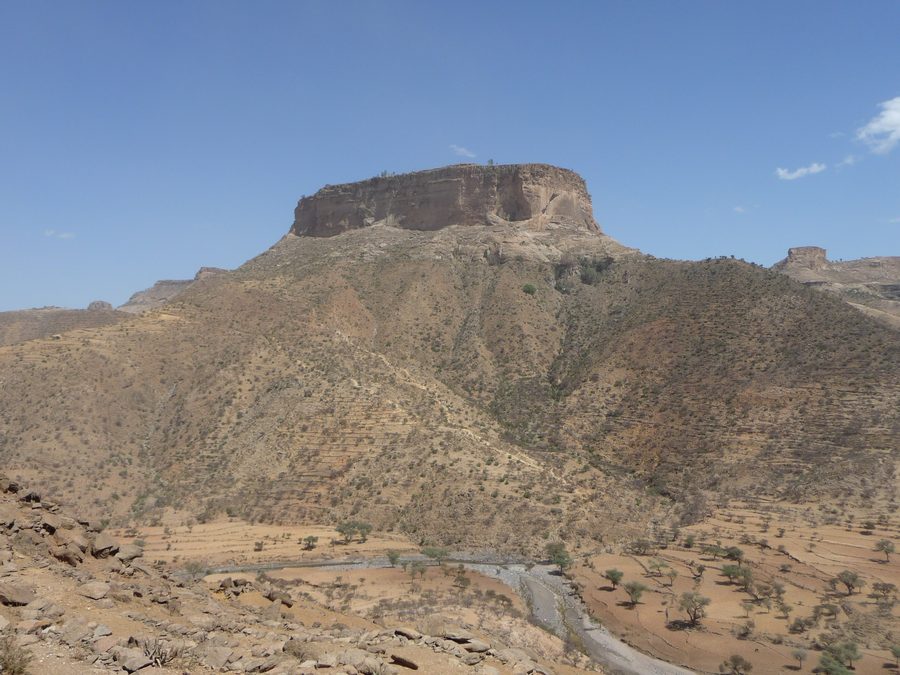 Debre Damo Monastery, one of Tigray’s best-known cliff-top monastic sites.
Photo: Ondřej Žváček via Wikimedia Commons, CC BY 2.5
Debre Damo Monastery, one of Tigray’s best-known cliff-top monastic sites.
Photo: Ondřej Žváček via Wikimedia Commons, CC BY 2.5
Tigray in northern Ethiopia is a region for travelers who want history to be part of the landscape experience, not an add-on. If you are traveling with children, the key question here is whether your days should lean more toward culture or toward scenery.
The region’s profile is strongly shaped by rock churches, Debre Damo, and Orthodox pilgrimage traditions. It is this combination that makes Tigray interesting if you are looking for a place that quickly gives a clear sense of the trip ahead.
Quick facts about Tigray
- Tigray is a region in northern Ethiopia associated with cultural heritage, landscapes, and local culture.
- The region is linked with rock churches, Debre Damo, and Orthodox pilgrimage traditions.
- Mekelle is the capital and largest city in the region and helps place it geographically.
- The most important base decision is whether you want to focus more on historic sites or on mountain and lake scenery.
What makes Tigray stand out as a travel destination
Tigray is especially compelling when you see the trip as a blend of highlands, history, and pilgrimage traditions. The region offers more than individual sights; it presents several different travel impressions: one centered on culture, one on scenery, and one that combines both. For you, that means the accommodation choice is directly tied to the route you plan to take.
With children, this helps even more because you can decide early whether the days should revolve around historic stops or whether the location of your accommodation should steer the trip more toward mountains, lakes, and nature moments.
Central Tigray or South Tigray: the key base choice
The region’s internal split is crucial when deciding where to stay. If you want to put history and cultural places first, you are more likely to look at Central Tigray. Historic places such as Axum, Adwa, and Yeha are central to the regional picture there.
If, on the other hand, you want to give the landscape more weight, you are more likely to look at South Tigray. This zone is associated with Maychew and Korem as well as mountain and lake features such as Mount Ferrah Amba/Tsibet and Lake Hashenge. That shifts the tone of the trip away from a cultural focus and toward more nature and panoramic moments.
For practical day planning, this means that depending on where you stay, you will either rely more on city logistics or follow a route that is closer to hikes and walking trails. That is why the location choice here is not a detail, but part of the travel experience.
Frequently asked questions about Tigray
What role do the rock churches and Debre Damo play in Tigray?
They shape the region’s image very strongly because they connect Tigray with religious heritage, pilgrimage traditions, and a distinctive highland character.
Why does Central Tigray suit a culture-focused stay?
Central Tigray brings together historic places such as Axum, Adwa, and Yeha, which is why it works well if culture and history should set the tone.
Why does South Tigray suit a scenery-focused stay?
South Tigray combines Maychew, Korem, Mount Ferrah Amba/Tsibet, and Lake Hashenge, which is why it works well if mountains, lakes, and views matter more.
What guidance does Mekelle provide when planning?
Mekelle is the capital and largest city in the region and helps place Tigray in geographic context.


