
Holiday apartment in Busan
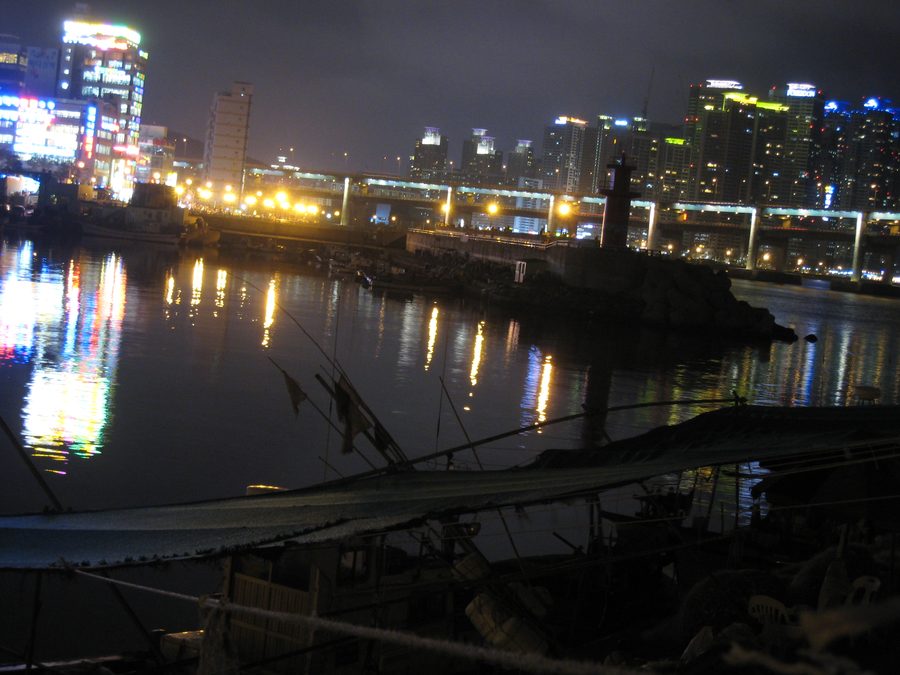
Busan is a South Korean port and coastal city where dense urban life meets the sea, beaches, and a landscape shaped by mountains. This contrast can be translated into different day plans: a day by the coast can be followed by markets, culture, harbor atmosphere, or a more weather-independent city destination. When choosing a holiday apartment, the key is therefore less the city name alone than the kind of holiday rhythm you want.
Quick facts about Busan
- Character: a large port and coastal city with urban everyday life, beaches, and a maritime feel.
- Experiences: coast and sea, markets, fish and food culture, colorful lanes, temples by the sea, and art and cultural themes.
- Location choice: Haeundae stands more for the eastern coast and beach, Nampo for the old port city, markets, and culture, and Seomyeon for a central subway hub.
- Planning: The different parts of the city require deliberate day planning; a mix of outdoor and indoor experiences creates weather flexibility.
Between beach, harbor, and big city
Busan cannot be reduced to a beach city. The harbor, urban districts, the sea, and the mountainous surroundings shape a cityscape full of contrasts. Beach time and coastal views can therefore alternate with city exploration, culinary impressions, and cultural places. Days with different focal points can be combined without limiting the stay to swimming or classic sightseeing.
Beaches and coastal experiences are among the defining visitor interests. At the same time, markets and harbor areas show another side of Busan: at Jagalchi, fish and local food culture become immediately tangible. A market visit can therefore be not only a meal, but a shared city experience.
What families can discover in Busan
The range of experiences stretches from the coast into the cultural districts. Gamcheon’s colorful lanes and temples by the sea add cultural impressions to the beach and market program. Art and cultural themes also provide more weather-independent options when a planned coastal day does not suit the weather. You should check specific venues and their current opening hours separately before visiting.
For day planning, the mix is crucial: one day can focus on the sea and coast, another on markets and harbor atmosphere. In between, you can plan cultural destinations or a break in an urban setting. This keeps the holiday varied without every shared activity ending up as swimming or classic sightseeing.
Haeundae, Gwangalli, Nampo, or Seomyeon?
The city areas stand for different travel moods. As a location profile, Haeundae is especially suitable for a travel plan focused on the eastern coast and beach. If beach days are meant to take up a lot of space, a holiday apartment in this area can support the desired coastal focus. The old downtown then becomes its own day’s building block.
Gwangalli is suitable as a thematic focus for the coast and atmospheric evenings. No conclusions about quietness, noise, or special suitability for certain age groups can be drawn from that.
Nampo brings together several well-known market, harbor, and cultural destinations in the old downtown. This location is therefore especially interesting if markets, harbor connections, and old-city destinations are the main focus. Jagalchi stands for fish and local food culture. Anyone wanting to combine Gamcheon and the old downtown can consider Nampo as a thematically fitting base.
Seomyeon is described as a subway hub and is therefore a plausible option for a mixed city program. If you want to combine beaches, markets, and cultural destinations, being near a suitable subway connection can make planning different day trips easier. You should check the current line layout, operating hours, and specific travel times separately.
The right location for your own daily rhythm
Haeundae and Nampo lie in different experience areas of the city. Anyone wanting to visit both should factor the additional travel time into day planning rather than treating them as the same central point for every day. Haeundae is the better choice for a clear beach focus, while Nampo is better for markets and the atmosphere of the old harbor area. Seomyeon can make sense when the focus is not a single theme but the combination of several sides of the city.
These differences are also relevant when choosing a holiday apartment. First check whether your family wants to combine coastal days in Haeundae, markets and cultural destinations in the old harbor area, or different sides of Busan. For a mixed program, a location with suitable subway access is a sensible selection criterion. For a clearly beach-oriented stay, Haeundae can take a stronger role in shaping the day plan.
A flexible rhythm can help organize Busan’s different areas in a sensible way: Haeundae stands more for the eastern coast and beach, Nampo for markets, harbor connections, and culture, and Seomyeon for linking several sides of the city. You must check separately which amenities and specific features a particular holiday apartment offers.
Plan season and weather flexibly
In summer, beach days are an obvious choice, but the program should also include weather-flexible alternatives. A mix of coast, markets, culture, and indoor themes is more robust than a travel plan that depends entirely on the weather. This speaks for a location from which both coastal days and urban or cultural destinations can be included in the itinerary.
Spring and autumn can be an attractive general option for families who want to combine coast, city, and excursions without focusing solely on swimming. In winter, a travel plan more strongly oriented toward the city, markets, and culture may make more sense. These are planning options, not fixed seasonal rules: you should take the actual weather and current conditions into account before you travel.
Choosing Busan as a holiday apartment base
A holiday apartment in Busan is especially well chosen when its location supports the desired mix of sea, culture, food, and relaxation. For beach-oriented days, it makes sense to look at Haeundae as the eastern coastal focal point. For markets, harbor connections, and the old downtown, Nampo is an obvious thematic starting point. If you want to combine many different day destinations, you can include Seomyeon and its central subway location in your selection.
Weather backup, family rhythm, and mobility belong together here. In changeable weather, it is worth choosing a location from which both more weather-independent city and cultural destinations and coastal days fit into the travel plan. This keeps the accommodation choice aligned with Busan’s coast, markets, cultural destinations, and different parts of the city. For a comparison with other travel destinations in the country, the overview South Korea provides the right next step.
Frequently asked questions about Busan
Which area in Busan is suitable for a family holiday by the sea?
Haeundae and Gwangalli are obvious coastal areas, but they emphasize different things: Haeundae is more about the beach, while Gwangalli is more about the coast and atmospheric evenings. The choice should depend on the desired daily rhythm.
Where can you experience markets and harbor atmosphere in Busan?
Nampo brings together several well-known market and cultural destinations in the old downtown. Jagalchi is especially known for fish and local food culture.
Is a central location or a beach location better for a mixed Busan program?
A base in Haeundae supports an eastern coastal focus. Seomyeon is an option as a subway hub if several sides of the city are to be connected. The old harbor districts each form their own day’s building block.
Which travel season is suitable for beach days or mixed city days in Busan?
Summer is more suitable for planned beach days, but it requires weather backup. Spring and autumn are suitable as a general option for mixed outdoor programs; in winter, a focus on the city, markets, and culture may make more sense.

