
Accommodation in South Korea
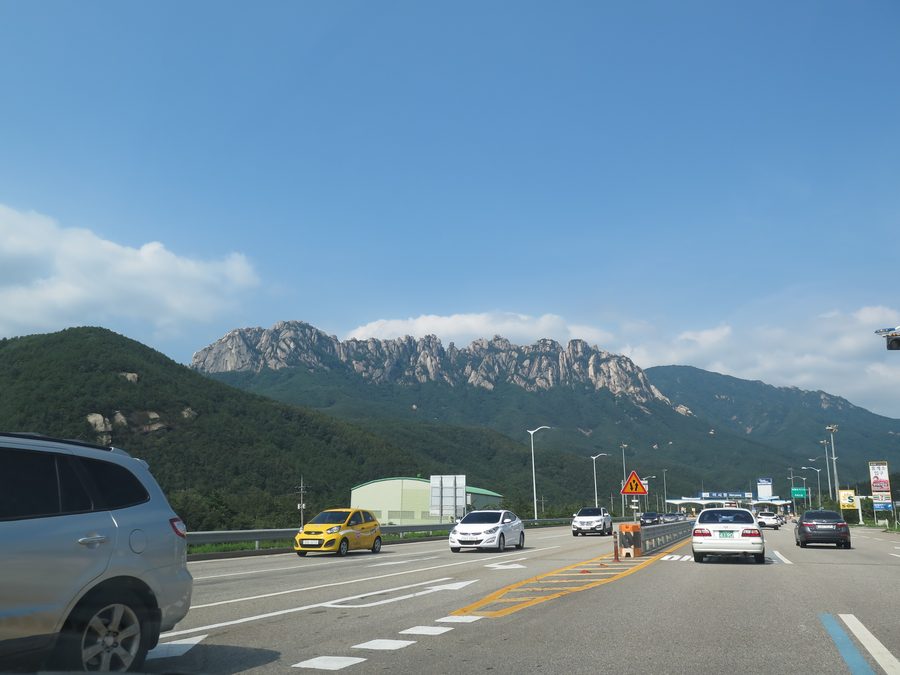 Berglandschaft im Seoraksan-Nationalpark nahe Sokcho.
Photo: Douglas Perkins via Wikimedia Commons, CC BY 4.0
Berglandschaft im Seoraksan-Nationalpark nahe Sokcho.
Photo: Douglas Perkins via Wikimedia Commons, CC BY 4.0
South Korea surprises visitors with several travel worlds at once: Seoul stands for the metropolis, Busan for the port city, and Jeju for a volcanic island. Add to that the beaches of the east coast, the striking mountain scenery of Seoraksan, and traditional culture in Andong. For families who are not just looking for accommodation, but want to combine shared city, nature, and cultural experiences, the best place to start is with the desired style of trip.
Short and sweet
- Seoul, Busan, and Jeju represent three clearly different travel images: metropolis, port city, and volcanic island.
- A route presented by the Korea Tourism Organization connects five beaches on the east coast.
- Andong combines UNESCO World Heritage with traditional culture.
- Seoraksan adds striking rocks and dense forest to coastal and city experiences.
- Traditional markets are among the highlighted everyday experiences in Korea.
City, coast, or island?
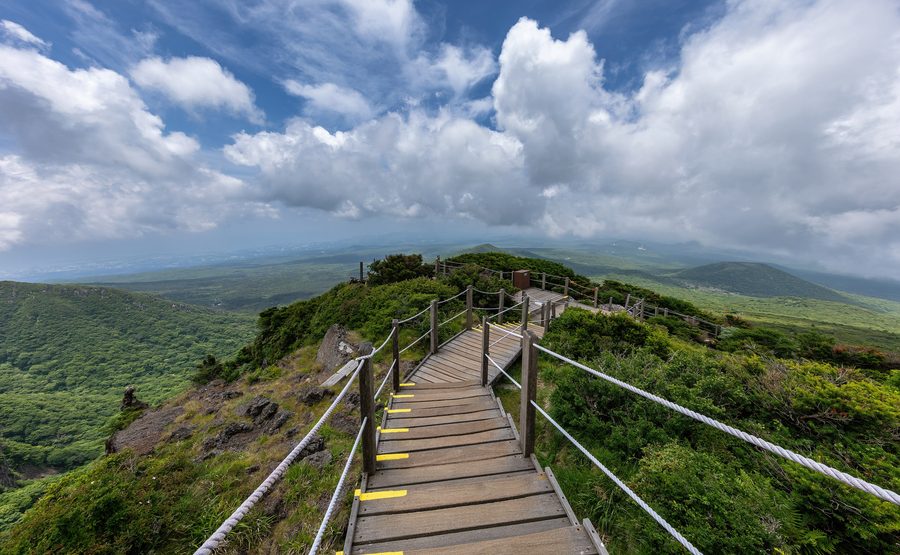
The strongest contrast appears between the three well-known poles of Seoul, Busan, and Jeju. Seoul represents the metropolitan side of the trip and sets an urban focus. Busan, as a port city, brings a different coastal atmosphere to the choice. Jeju-Do, on the other hand, takes you to a volcanic island and changes the basic character of the trip segment.
This distinction helps with planning together: should the day be shaped by big-city scenes, by the coast and harbor, or by an island with its own landscape character? You do not have to decide on a complete round trip right away. Simply choosing one of these focal points already makes the rest of the selection more manageable.
The east coast and mountains as a contrast to the big city
If you want to experience landscapes as well as city sightseeing, you can turn your attention to the east. Gangwon-Do can be viewed in connection with the east coast and Seoraksan. The presented route to five east-coast beaches makes the sea its own travel component; Seoraksan creates a mountainous contrast with striking rocks and dense forest.
For your choice, this means that a stay in South Korea can deliberately alternate between urban days and nature motifs. Beaches and mountain scenery are not merely additions to the metropolis; they give the trip segment a different pace and different images. The accommodation you then look at should therefore first match the focal point you have chosen - for example the city, coastal, or mountain-oriented part of your trip.
Culture between the present and tradition
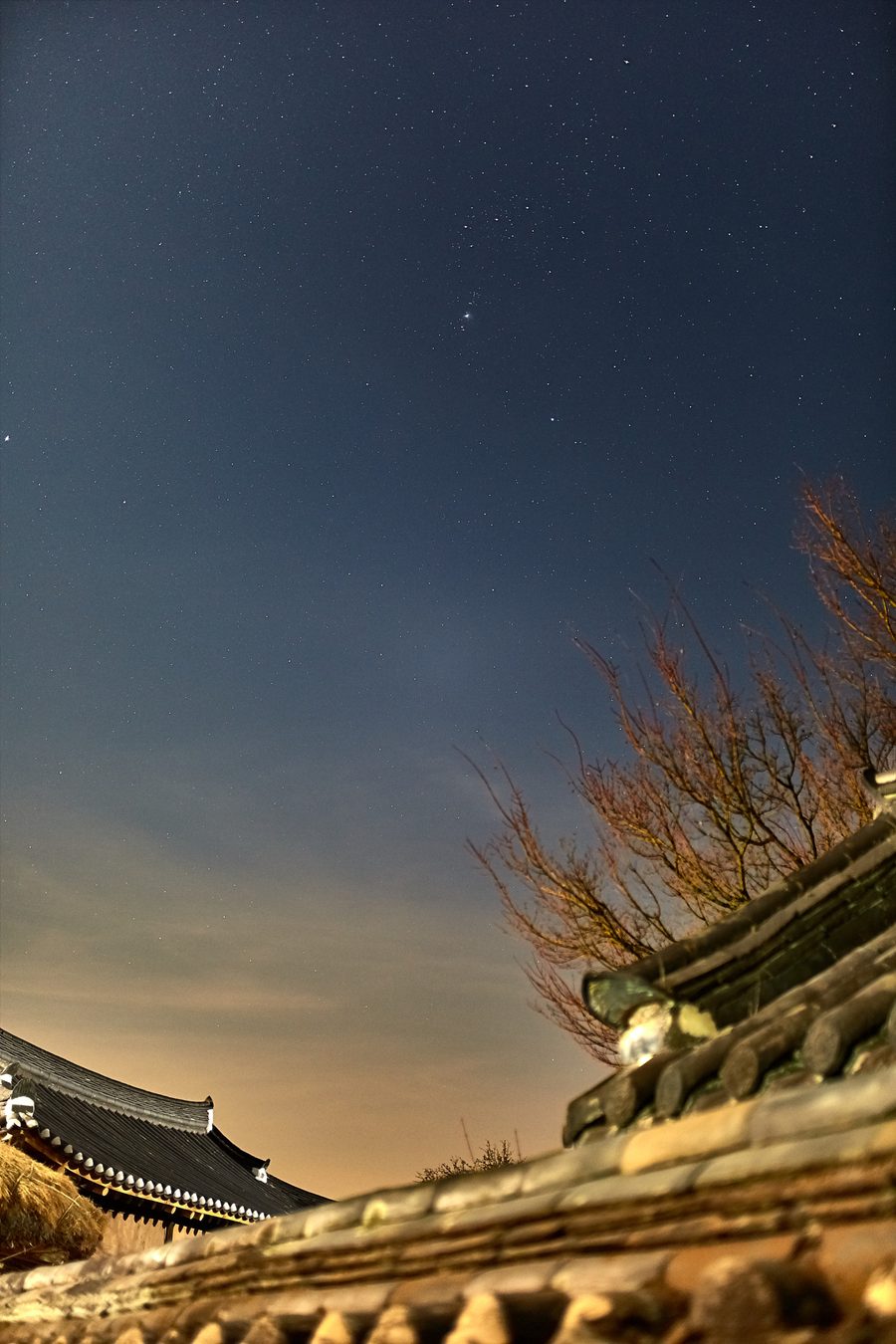
South Korea reveals itself not only through cityscapes and landscapes. Traditional markets are among the defining everyday experiences, while Andong offers a concrete link to UNESCO World Heritage and traditional culture. Gyeongsangbuk-Do can therefore be noted in connection with Andong as a choice for a culture-focused travel segment.
This creates a more varied family program: a lively day in the city can be followed by a visit to a market, later complemented by a cultural site or a landscape. The mix of modern impressions, nature, and inherited forms makes South Korea tangible without requiring a single city to stand for the whole country.
Your selection among the regions
The direct regions and cities open up different starting points for the next search. In addition to the already categorized focal points of Seoul, Busan, Gangwon-Do, Gyeongsangbuk-Do, and Jeju-Do, these destinations are also part of the South Korea selection:
Chungcheongbuk-Do, Chungcheongnam-Do, Gyeonggi-Do, Gyeongsangnam-Do, Incheon, Jeollabuk-Do, Jeollanam-Do, Kwangju, and Ulsan.
This keeps the choice open if your travel plan has not yet decided between city, coast, mountains, island, and culture. For the accommodation search, it is best to first define the desired trip segment and then look for suitable accommodation within the corresponding region.
Frequently asked questions about South Korea
What distinguishes Seoul, Busan, and Jeju as travel destinations?
Seoul stands for the metropolitan focus, Busan for a port city, and Jeju for the independent character of a volcanic island. The choice therefore changes the basic feel of each trip segment.
Where do culture and nature contrasts appear beyond the metropolises?
Andong offers a connection to UNESCO World Heritage and traditional culture. On the east coast and in Seoraksan, by contrast, beaches, striking rocks, and dense forest landscapes come to the fore.


.jpeg)