
Discover Peru: Coast, Andes, and Amazon
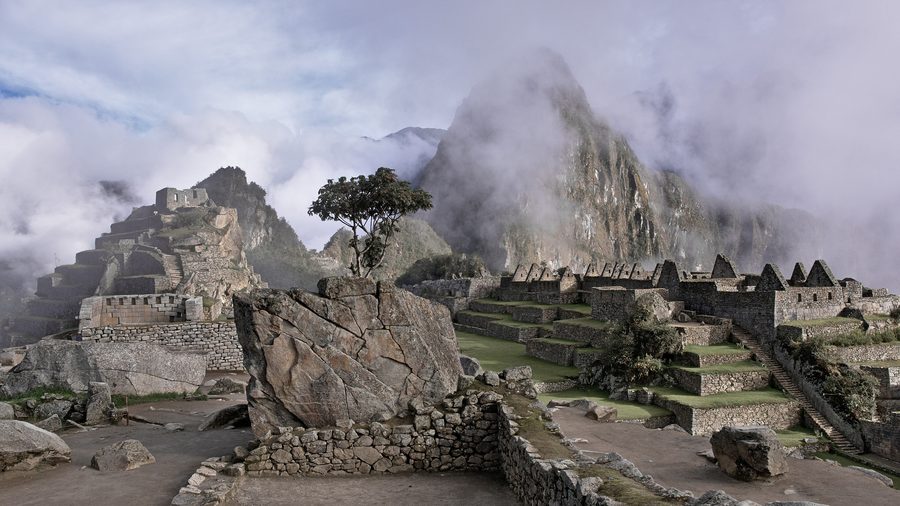 Machu Picchu steht beispielhaft für die historischen Stätten im Andenhochland.
Photo: Tomas Sobek tomas_nz via Wikimedia Commons, CC0
Machu Picchu steht beispielhaft für die historischen Stätten im Andenhochland.
Photo: Tomas Sobek tomas_nz via Wikimedia Commons, CC0
Peru surprises with its strong contrasts: the dry Pacific coast and desert landscapes meet the Andean highlands, historic cultural sites, and the densely vegetated Amazon region. For families, the appeal therefore lies not only in a single well-known destination, but in the question of which landscape and experience zone best suits a shared trip.
Short & sweet
- The coast, the Andes, and the Amazon form three clearly different landscape regions.
- In the north, the Pacific desert and the rainforest east of the Andes stand in especially striking contrast.
- The Andean highlands combine mountains, valleys, and historic places.
- In the east, the Amazon region begins with dense vegetation and great biodiversity.
- Cities complement a nature-focused trip with museums, pre-Hispanic huacas, and historical insights.
- Potatoes, corn, quinoa, fish, and tropical fruit are among the regionally shaped ingredients of Peruvian cuisine.
Three landscape regions, three travel moods
A trip to the Pacific coast combines dry landscapes with urban and cultural impressions. The Andean highlands lead into a world of mountains, valleys, and historic places. In the east, the travel experience changes again: dense vegetation and the biodiversity of the Amazon region make nature observation and discovery the central theme.
These differences help with the initial planning: do you want to compare landscapes with your children, discover cultural sites, focus on nature, or combine several regions? A focused trip can feel calmer, while a combination of coast, highlands, and Amazon promises more variety and different impressions.
Discover culture, history, and cuisine together
Peru's past is visible on several levels. Andean towns and historic sites provide access to history, while Lima, with its pre-Hispanic huacas and museums, offers insights into ceramics, jewelry, and textiles from various regions. This makes it possible to combine a cultural day with a nature day without reducing Peru to a single Inca site.
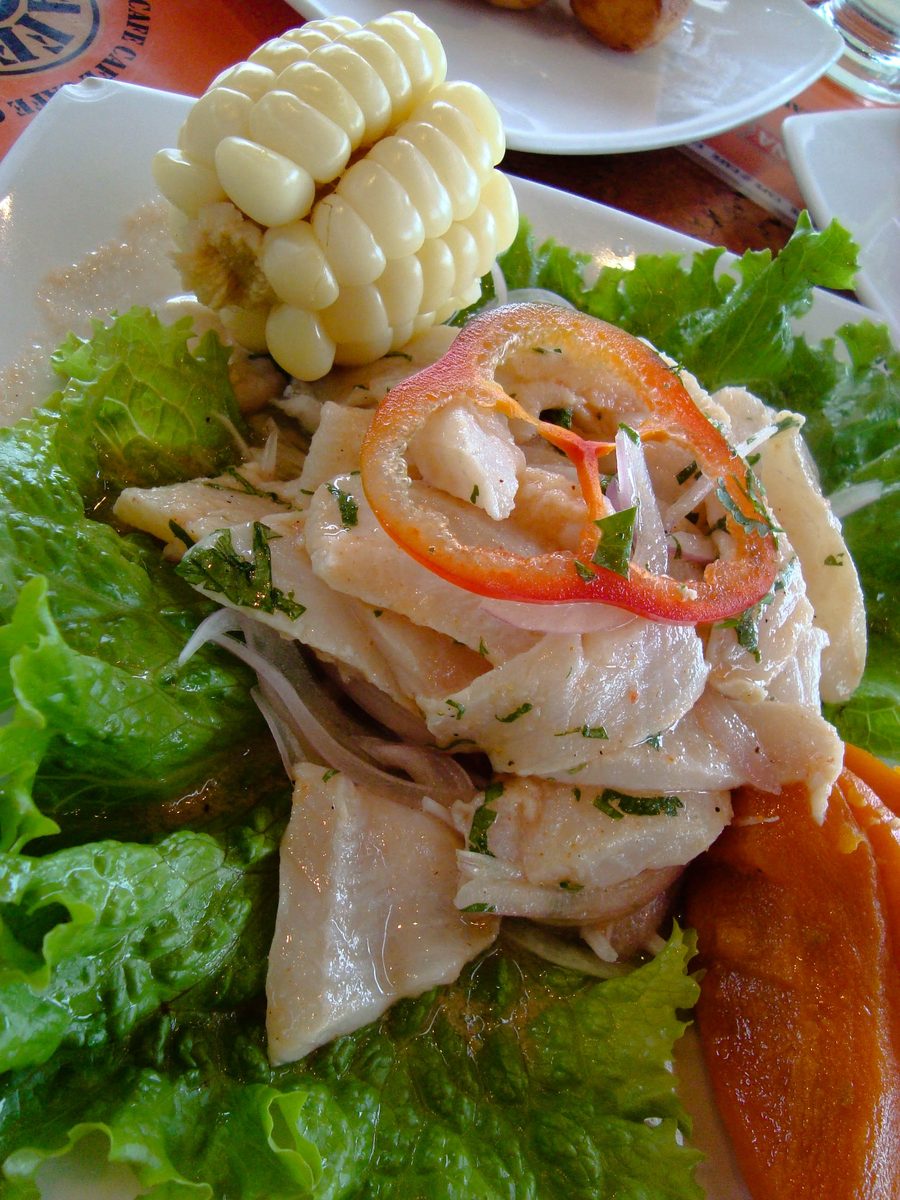
Food also makes regional and cultural diversity tangible. Potatoes, corn, quinoa, fish, and tropical fruit shape the ingredient world; Indigenous, Spanish, African, Chinese, and Japanese influences have helped shape Peruvian cuisine. Ceviche, Lomo Saltado, and Ají de Gallina can appear as concrete culinary discoveries on the trip without being broadly assigned to any one region.
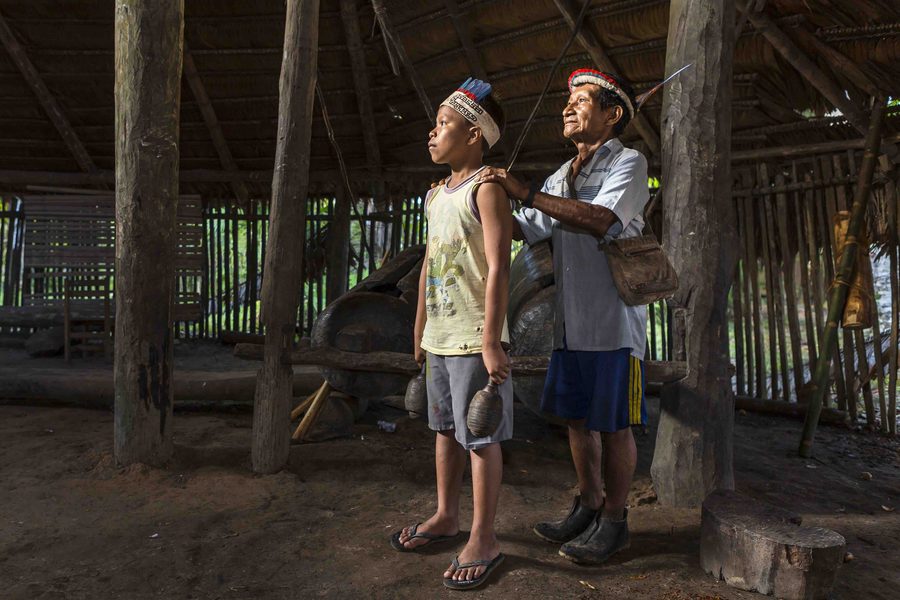
For families, this creates a varied rhythm: one active landscape day, then a cultural visit or a shared break with regional products. The mix you enjoy is a good benchmark for choosing the main focus of the trip.
Which region suits your travel idea?
For a trip centered on nature, the Amazon region offers a different experience from the coast or the highlands. If you want to combine mountains, valleys, and history, the Andean region is the better point of orientation. Coastal, desert, and urban landscapes set different accents and can be especially suitable when cultural places, food, and urban impressions are meant to stand alongside landscapes on equal footing.
A mixed route is also possible. The key is to define the desired experience regions before choosing accommodation, rather than assuming a single base for very different parts of the country. If you have several interests, it may make sense to divide the trip into clearly recognizable sections and choose a pace that leaves room for quieter shared days alongside the special highlights.
The accommodation region as part of the travel plan
The right accommodation region in Peru depends mainly on the planned focus. A city- or town-based base suits a culture-oriented trip with museums, huacas, historic architecture, and other cultural places. For a nature focus, choose the area whose landscape will shape most of your days. This keeps the location decision aligned with experiences rather than with a general ranking.
If you want to cook for yourself and stay longer in one place, clarify the specific options of each accommodation before booking. You should also check the exact location if different age groups, a slower pace of travel, or the combination of several experience regions plays an important role.
Regional orientation in four major areas
The links below broadly sort the available regions according to the travel character of the coast, the Andes, and the Amazon. They are no substitute for a full individual description, but they help you begin the next selection in line with the landscape region you want.
Coast, desert, and city
For a focus between the Pacific coast, dry landscapes, cities, and cultural places, you will find Callao, Ica, La Libertad, Lambayeque, Lima, Moquegua, Piura, San Bartolo District, Tacna, and Tumbes here.
Southern Andes
Regional starting points for highland, culture, and round-trip ideas include Apurímac, Arequipa, Ayacucho, Cuzco, and Puno.
Central and northern Andes
For more highland, nature, and culture ideas, you can choose from Ancash, Cajamarca, Cajatambo, Huancavelica, Huánuco, Junín, and Pasco.
Amazon and eastern lowlands
If you see the Amazon region as its own nature and discovery focus, you can continue with Amazonas, Coronel Portillo, Loreto, Madre De Dios, and San Martín.
Frequently asked questions about Peru
What makes Peru such a varied travel destination?
The combination of Pacific coast, Andean highlands, Amazon vegetation, historic cultural sites, and regionally shaped cuisine allows for very different travel sections. You can combine nature, history, cities, and shared culinary discoveries.
Which trip idea fits the coast, the Andes, or the Amazon best?
The coast stands for dry landscapes, cities, and coastal areas; the Andes for mountains, valleys, and historic places; and the Amazon for dense vegetation and biodiversity. Choose the region whose landscape and experiences should define most of your trip.
Why should the accommodation region match the travel plan?
Peru combines very different experience regions. A base near cultural places supports different days than a stay focused on nature or the Amazon; when combining several regions, splitting the trip into parts may make more sense than using a single location.

.jpg)
.jpg)
