
Vacation apartment in Sanpete County
Accommodation in Sanpete
Sanpete County shows Utah from its rural side: valley towns sit against a mountain backdrop, and the region’s history is closely tied to Manti and the development of Sanpete Valley. Anyone who wants to combine scenery, small towns, and cultural-historical impressions will find a distinctive travel character here.
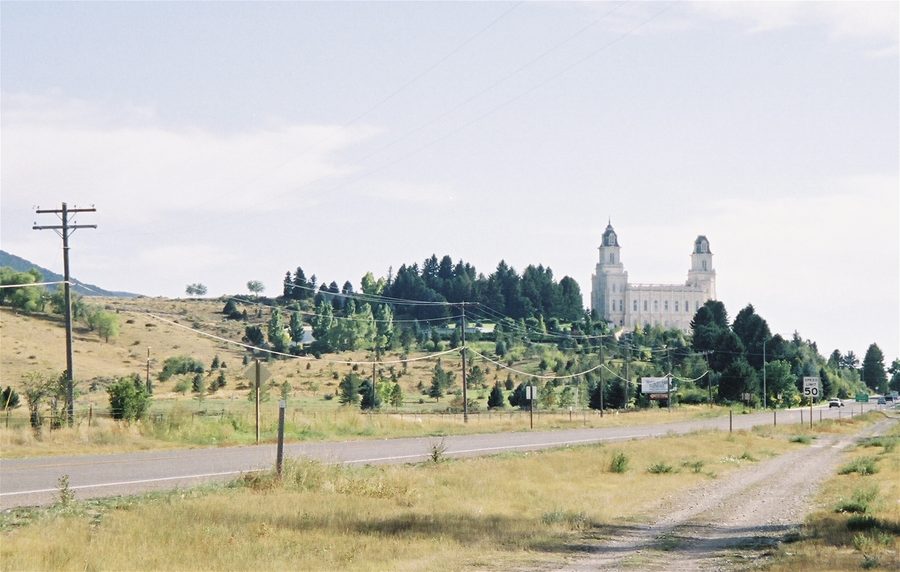 Der Manti Temple ist ein markantes Wahrzeichen von Manti im Sanpete Valley.
Photo: Bobjgalindo via Wikimedia Commons, CC BY-SA 4.0
Der Manti Temple ist ein markantes Wahrzeichen von Manti im Sanpete Valley.
Photo: Bobjgalindo via Wikimedia Commons, CC BY-SA 4.0
Quick facts about Sanpete County
- Rural region with valley towns and mountain scenery
- Manti lies in Sanpete Valley and is surrounded by mountains
- Manti Temple and Manti Heritage Center form a cultural-historical focus
- Regional history ranges from documented Fremont traces through Indigenous history to later pioneer settlement
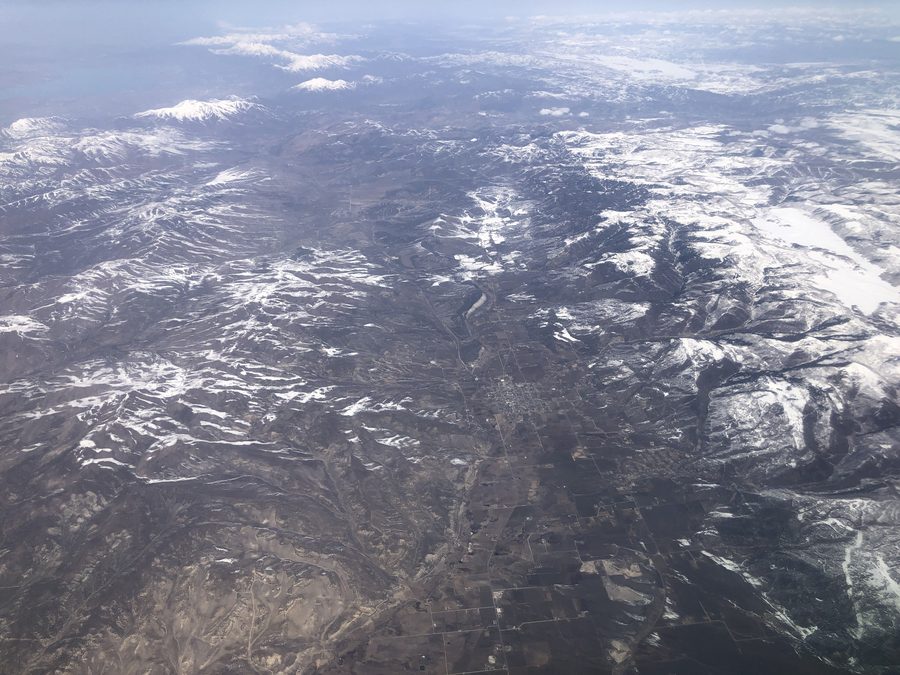
Mountain and valley landscape around Manti
The combination of Sanpete Valley, small towns, and surrounding mountains shapes the county’s image. Manti in particular makes this character easy to see: the town lies in the valley and is surrounded by mountains. For travel planning, Sanpete County can therefore be viewed from two interests: scenery and exploring places on the one hand, local stories and historical references on the other.
Manti: culture and history as a second focus
Manti is the county’s cultural-historical reference point. Manti Temple and the Manti Heritage Center connect the town with local stories and historical themes. This means a stay can be planned not only around scenery, but also around the history of Manti and the region. You should check current opening hours, tours, and visiting conditions separately before an actual visit.
The history of the wider region also ranges from documented Fremont traces through the history of Indigenous groups to later pioneer settlement. This sequence gives the landscape additional historical context and connects local scenes with the region’s development. However, no specific archaeological sites or current programs can be inferred from this alone.
Which place is suitable as a base?
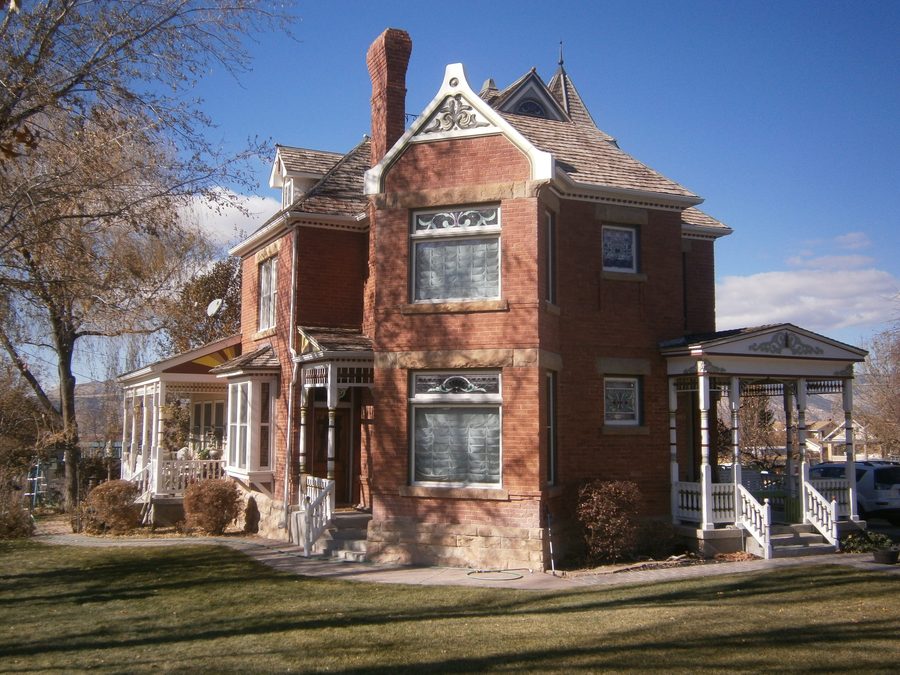
The choice of place should match what you want to experience in Sanpete County. Manti is the central reference point for culture and regional history. Ephraim is the largest town in Sanpete County and can therefore be included in planning as another place option. However, town size alone says nothing about services, distances, or any special suitability for families.
For a holiday apartment or holiday home, your planned daily routine is therefore decisive. Check whether you want to include Manti as a cultural focus and which other places you would like to combine within the county. Then choose accommodation based on these specific outings rather than assuming a general ranking among the towns.
Sanpete County in the broader Utah context
Sanpete County is a landscape- and history-oriented slice of the state. If you want to compare the county with other landscapes and regions in Utah, the overview Rent in Utah provides the appropriate broader framework. For a concrete travel decision, mountain and valley scenery, small towns, and Manti’s cultural history fit together when these themes match your planned stay.
Frequently asked questions about Sanpete County
Why is Sanpete County interesting as a travel destination?
Sanpete County can be classified as a rural Utah region with valley and mountain scenery, small towns, and regional cultural and settlement history. Manti is a cultural-historical reference point within it.
What cultural points of reference are there?
Manti connects the Manti Temple and the Manti Heritage Center with the region’s settlement history and prehistory. You should check current opening hours and visiting conditions in advance.
Is Sanpete County more interesting for nature or history?
In Sanpete County, mountain and valley scenery meet history in and around Manti. Which focus is the better fit depends on the planned activities for your trip.


