
Vacation rental in Honolulu
Accommodation in Honolulu
Honolulu is more than a classic beach destination: Hawaiʻi’s capital on Oʻahu combines city life, coastline, history, museums, and locally shaped cuisine. For families, that creates a varied holiday with beach days, cultural discoveries, shared dining experiences, and insights into rural farms and agriculture on Oʻahu. The key question when looking for accommodation is therefore not only where you want to stay, but which mix of experiences should shape your trip.
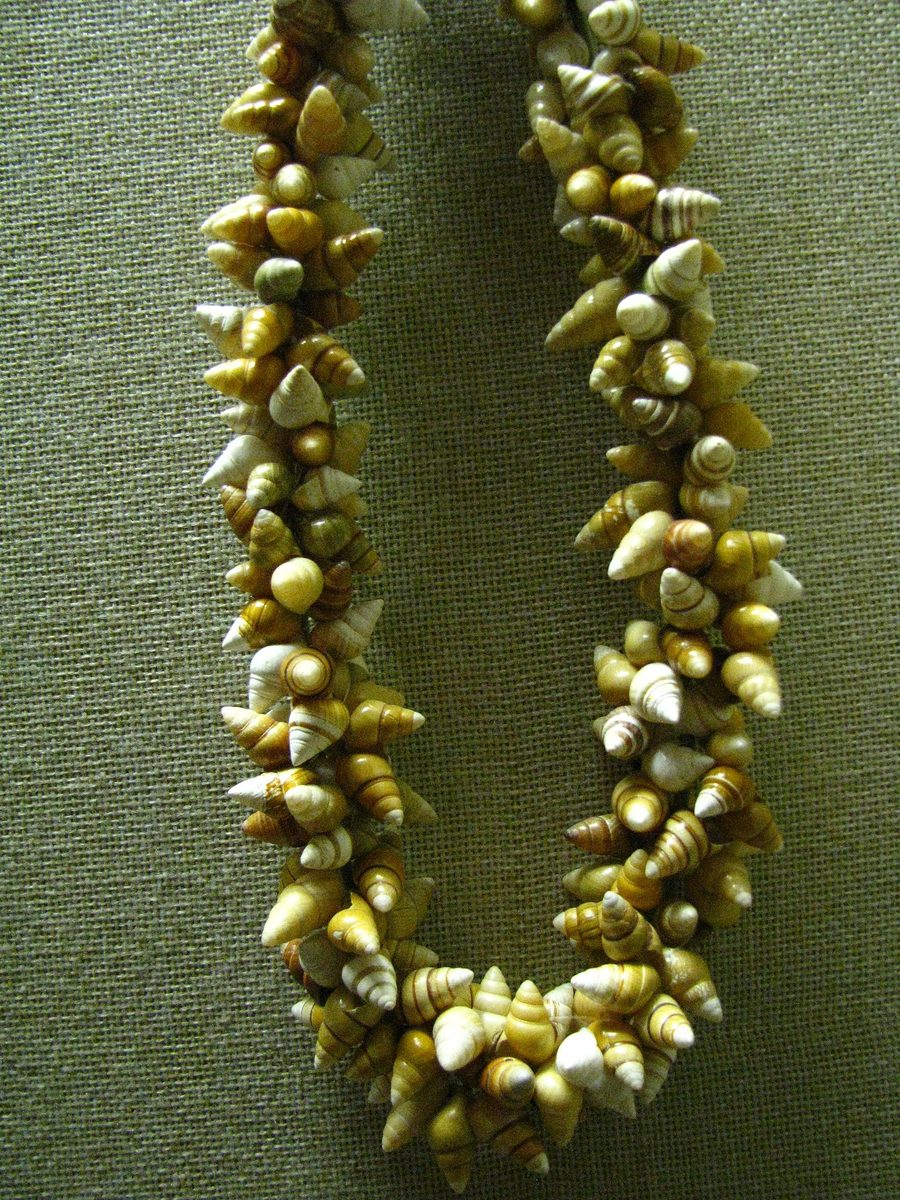 A land snail shell lei from the Bishop Museum collection in Honolulu.
Photo: David Eickhoff from Hawaiʻi, USA via Wikimedia Commons, CC BY 2.0
A land snail shell lei from the Bishop Museum collection in Honolulu.
Photo: David Eickhoff from Hawaiʻi, USA via Wikimedia Commons, CC BY 2.0
Quick facts about Honolulu
- Honolulu is the capital of Hawaiʻi and is located on the island of Oʻahu.
- The city brings together beachside, green, historic, commercial, and urban districts.
- On Oʻahu, beach time, city life, history, museums, agriculture, and local cuisine can be combined as different types of experiences.
- Oʻahu has public bus routes; for several scattered island destinations, flexible personal mobility may also be relevant.
Combining city, beach, and Hawaiian culture
Honolulu’s special strength lies in the way it brings different holiday experiences together. The city includes very diverse districts: in addition to areas close to the beach, green, historic, commercial, and urban districts are also part of the cityscape. That means a day by the water can be combined with city life, a museum visit, or a meal with Hawaiian influences.
History and Pacific culture are also a distinct part of the destination. The Bishop Museum in Honolulu offers access to Hawaiian and Pacific history and culture. It features items such as traditional clothing, tattoos, and surf culture. These kinds of activities complement pure beach days and give families the chance to bring together different interests within one trip.
David Eickhoff from Hawaiʻi, USA · CC BY 2.0 · Source at Wikimedia Commons
Local cuisine as a shared travel experience
Hawaiʻi can also be discovered through its food. Culinary touchpoints include Poke, Plate Lunch, Kalua pork, Poi, Lomi-Lomi salmon, and Haupia. This selection makes the destination tangible in everyday life, without every vacation day needing a major outing program.
If food plays an important role in your trip, a base with access to different dining options may make sense. Families who like to eat together and stay flexible can also look for suitable self-catering options when searching. Which amenities are actually available can only be judged on the individual listing.
Which location best fits your travel plan?
A central Honolulu location is especially worth considering if you want to combine city districts, culture, food, and the beach in one mixed program. The city’s diversity is itself part of the travel experience here. If, on the other hand, you are mainly planning different nature and coastal experiences, you should give greater weight to the location of your chosen destinations and the daily mobility involved. A blanket recommendation for one single place cannot be derived from this.
A simple plan can help with choosing a location: first decide whether your family program will mostly stay central or include several scattered destinations on Oʻahu. You can then check whether the accommodation is better suited as a base for cultural and city activities or for nature and coastal excursions. In this way, the holiday apartment is not considered in isolation, but as part of your daily rhythm.
Clarify mobility and daily rhythm before booking
Oʻahu has public bus routes. Current timetables should be checked before travel. For several scattered island destinations, personal mobility may be relevant; a verified travel report describes using a rental car for this. However, that does not mean a rental car is necessary for every stay.
What matters is how flexible your family wants to be when getting around and how many different destinations you want to combine. A mostly central program places different demands on planning than frequent outings to various parts of the island. Check this before booking, along with your wish for self-catering, shared meal times, and places to retreat.
More destinations for your travel planning
If you want to consider other places on Oʻahu in addition to Honolulu, you can include these location pages in your search:
Ewa Beach, Haleiwa, Honolulu, Kaaawa, Kahuku, Kailua, Kaneohe, Kapolei, Kawela Bay, Laie, Mākaha, Mililani, Punaluu, Wahiawa, Waialua, Waiʻanae, Waimanalo and Waipahu.
To help place the island in context, you can also read the page about Hawaii.
Frequently asked questions about Honolulu
What makes Honolulu more than a classic beach destination?
Honolulu combines beaches with diverse city districts, history, museums, local cuisine, and cultural offerings. This makes it possible to shape a stay in a more varied way than with pure beach days.
Which culinary impressions belong to a trip to Oʻahu?
Concrete examples might include Poke, Plate Lunch, Kalua pork, Poi, Lomi-Lomi salmon, and Haupia on your travel plan. The list is a selection and not a complete menu.
Is a cultural program worthwhile alongside beach days?
Yes. Museums, historical and cultural offerings, and organized evening events can complement the program. A luau can combine music, hula, dancing, and a shared meal; specific offers vary.
Should you plan on a rental car for a stay around Honolulu?
That depends on the program. Public bus routes are available for central days; for several scattered island destinations, flexible personal mobility may be relevant. You should check timetables and specific conditions before traveling.

.jpg)