
Vacation apartment in Arivaca
Accommodation in Arivaca
Arivaca is a small rural community in Pima County in southern Arizona. Wide mountain views, bird and wildlife watching, as well as historical and community connections shape the place. Anyone looking for a vacation apartment in Arivaca is therefore choosing more of a quiet, independent stay with scenery and regional character than a dense program of urban attractions.
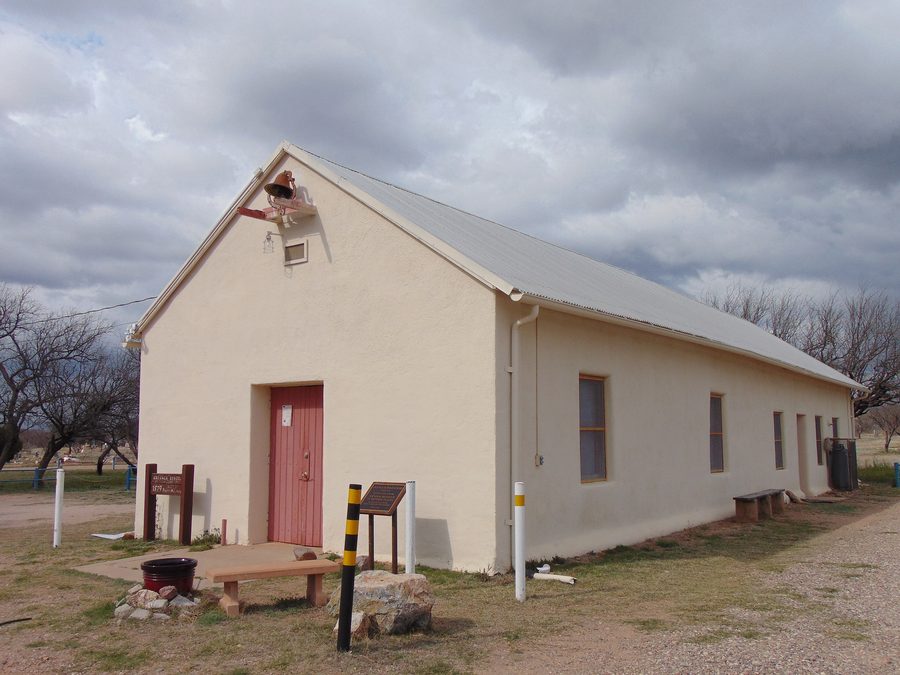 Das historische Arivaca Schoolhouse von 1879 gehört zu den greifbaren Heritage-Bezügen Arivacas.
Photo: The Old Pueblo via Wikimedia Commons, CC BY-SA 4.0
Das historische Arivaca Schoolhouse von 1879 gehört zu den greifbaren Heritage-Bezügen Arivacas.
Photo: The Old Pueblo via Wikimedia Commons, CC BY-SA 4.0
Quick facts about Arivaca
- Location: small rural community in Pima County in southern Arizona
- Character of the place: mountain views, bird and wildlife watching, local creativity, and community life
- History: Indigenous and Spanish connections as well as early settlement and mining history
- Travel style: landscape-oriented, quiet, and with your own day plan
Landscape and nature experiences
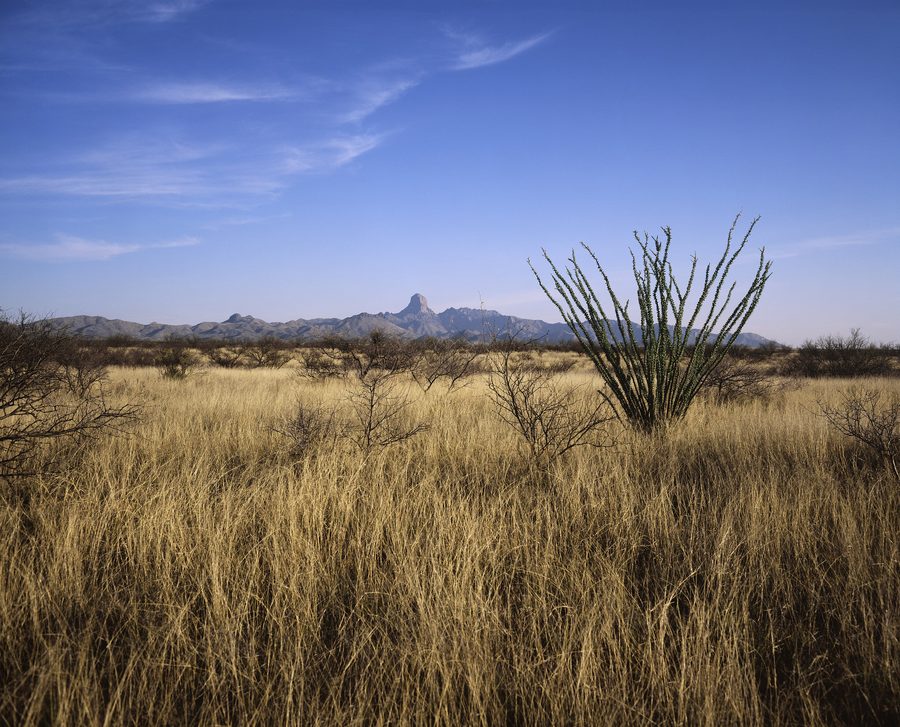
The landscape is a central reason to consider Arivaca as a place to stay. The area is characterized by wide mountain views as well as bird and wildlife watching. This suits trips in which shared observations, changing landscape impressions, and a slower daily rhythm matter more than a long list of sights visited.
In the nearby area, the Buenos Aires National Wildlife Refuge is also mentioned as a nature-related excursion destination. It should expressly be understood as a destination in the surrounding area or broader regional context, not as a sight within Arivaca itself. For planning, it is advisable to check the exact route and the current options separately in advance.
History and local life
According to the described local references, Arivaca's historical background extends from Indigenous and Spanish influences into the region's early settlement and mining history. One specific heritage reference is the historic Arivaca Schoolhouse from 1879. The former schoolhouse is listed in the National Register of Historic Places and makes the local history visible in a tangible building. However, this does not imply a museum, regular opening hours, or a guided visit offering.
The described community life also includes crafts, local producers, and creative contributors. A Saturday market as well as local food and drink options are mentioned as local points of reference. Anyone planning to use such offers should check in advance whether they are currently taking place and what the respective times are. In this way, local life complements the nature and history themes.
Which base suits your stay?
Arivaca is especially suitable if you are looking for a rural base for landscape, wildlife viewing, history, and local encounters and want to shape your days yourself. The sources present the place as a rather self-directed place to stay; the exact route should be checked separately before booking. Statements about public transport, road conditions, or short driving times are not implied.
When choosing a vacation apartment, the main focus should therefore be on the desired type of stay: Does a rural, quieter base suit your day plan, and can the intended nature and cultural references be sensibly integrated from there? Specific amenities, prices, availability, or special family benefits of individual accommodations are not assumed here. For classification in the broader travel context, Pima is also a useful reference.
Frequently asked questions about Arivaca
What makes Arivaca interesting as a travel destination?
Arivaca combines rural mountain scenery, bird and wildlife watching, local community life, and nearby nature excursions. The place is therefore more suitable for a landscape-oriented stay than for a dense sightseeing program.
Which travel style is Arivaca suitable for?
Arivaca is more suited to a quiet, nature- and landscape-oriented stay with your own day plan. Whether the base fits your specific travel itinerary depends on the planned excursions and the route, which should be checked separately.
What cultural references are there?
Historical development of the place, the Arivaca Schoolhouse, as well as local artists, producers, and market life give the small town cultural context. However, these references do not imply a regular museum or events program.


