
Discover Puerto Rico
Accommodation in Puerto Rico
Puerto Rico surprises with strong landscape contrasts: tropical rainforest, coasts, historic fortresses, music, and Creole cuisine come together in one destination. For families, this opens up different kinds of shared days—from nature experiences to culture and time by the coast. The first question is therefore which kind of travel setting you are looking for: humid highlands, the dry southwest, island nature, coast, or history and city life.
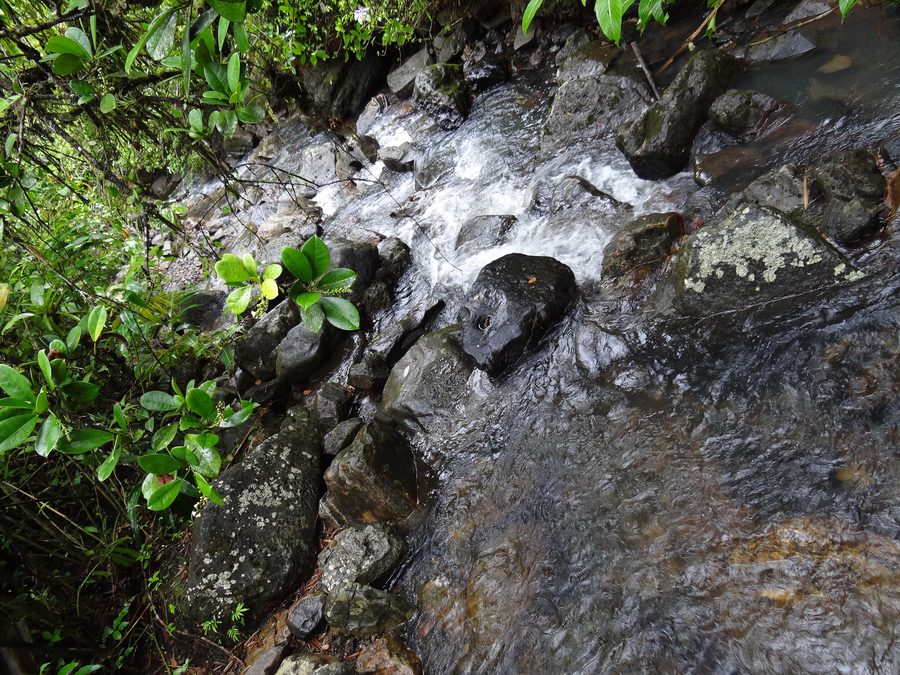 Wasserfall im El Yunque National Forest, Puerto Ricos Regenwaldregion.
Photo: Shannon McGee via Wikimedia Commons, CC BY-SA 2.0
Wasserfall im El Yunque National Forest, Puerto Ricos Regenwaldregion.
Photo: Shannon McGee via Wikimedia Commons, CC BY-SA 2.0
At a glance
- Rainforest, coasts, and historic facades come together to create a varied travel setting.
- El Yunque National Forest represents the biosphere setting in the humid east.
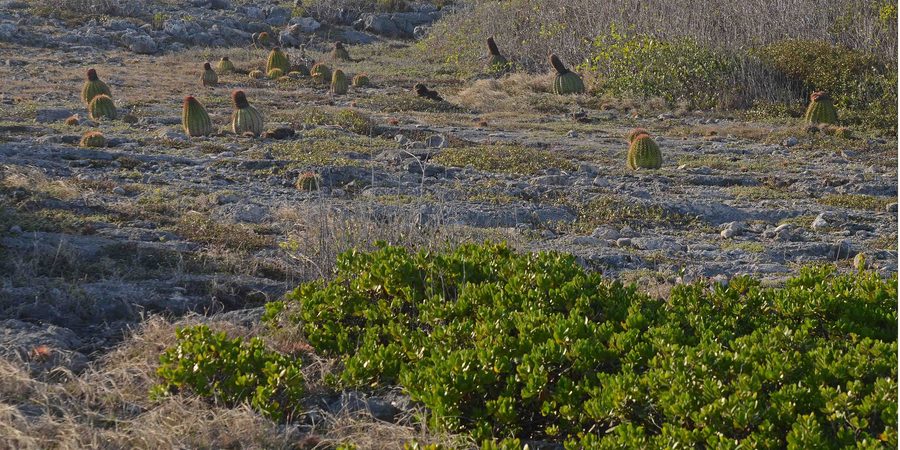
- Guánica State Forest shows the clear contrast of a Caribbean dry forest in the southwest.
- The east combines beaches, tropical cays, and rainforest.
- Music, dance, and long-standing traditions complement nature and coastal experiences.
- Creole cuisine and rum cocktails are part of the island’s culinary appeal.
- Culebra and Vieques stand for independent island and protected-area experiences.
Between rainforest, coast, and dry forest
Puerto Rico cannot be reduced to a beach holiday. In the east, rainforest, beaches, and tropical cays meet. In the central highlands, the Cordillera Central shapes the landscape; most of the island’s rivers rise there. In the southwest, Guánica State Forest, with its drier woodland, forms a clear counterpoint to the humid forest landscape. These differences make the choice of travel area noticeably important: if you want to experience nature in a humid, lush setting, the east is the better fit; if you are looking for a drier landscape character, the southwest offers a different natural setting.
For a nature-focused stay, eastern places such as Canóvanas, Ceiba, Fajardo, Luquillo, Naguabo, Río Grande, and Yabucoa can serve as starting points for further selection. The place names help with orientation; you should check specific routes, connections, and local differences before booking for your travel plan.
City, history, and lived culture
Historic facades and centuries-old fortresses give Puerto Rico a second, cultural side. Music, dance, and long-standing traditions add experiences to the trip that can be interesting independently of a classic beach day. Those who want to focus on this aspect can include San Juan as well as Bayamón, Carolina, Guaynabo, Loíza, Toa Baja, or Trujillo Alto in their location search. For families with different interests, this cultural component can create a welcome change from nature and coastal days.
Taste and everyday life
Creole cuisine and rum cocktails are among Puerto Rico’s culinary themes. This can be planned as a shared part of the travel experience without assuming specific dishes or particular restaurants: accommodation with its own kitchen can be interesting for families if meals need to fit flexibly into the day. Please check directly with the individual listing to see what facilities are actually available.
Which region suits the travel plan?
For a landscape focus in the central highlands, consider Adjuntas, Barranquitas, Caguas, Ciales, Cidra, Cidra, Corozal, Lares, Maricao, Orocovis, and Utuado. Here, the accommodation should match the planned inland focus; check location and facilities directly with the individual listing.
In the west and northwest you will find options such as Aguada, Aguadilla, Añasco, Isabela, Mayagüez, Moca, Quebradillas, Rincón, and San Sebastián. Northern options include Arecibo, Dorado, Hatillo, Manatí, Manatí, Vega Alta, and Vega Baja.
The southwest offers its own landscape focus around the drier forest. This includes Cabo Rojo, Guánica, Guayama, Guayanilla, Juana Díaz, Lajas, Maunabo, Patillas, Peñuelas, Peñuelas, Ponce, Salinas, San Germán, and Yauco.
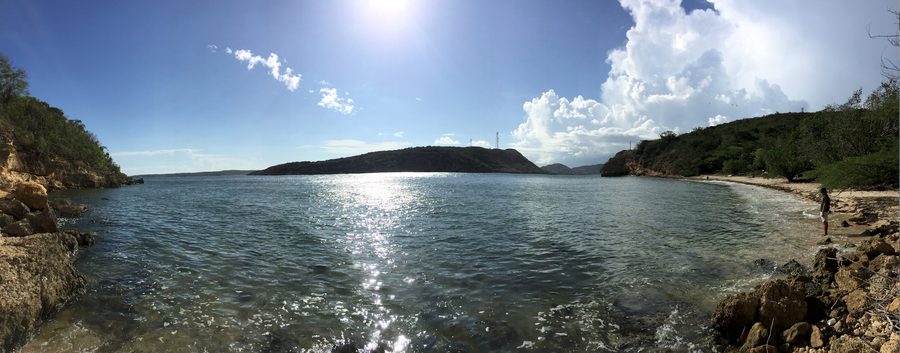
For the eastern selection, Humacao is also available. Another location option is Gurabo. Culebra and Vieques are independent island options with protected-area landscapes. You should check arrival and stay planning separately for this choice.
Choose accommodation based on the kind of trip
An accommodation in Puerto Rico is the best fit when its location supports the main part of your itinerary. For rainforest, beaches, and cays, the eastern group of places is the best search direction; for highlands and river landscapes, look inland; for a drier natural contrast, choose the southwest. If you want to include days devoted to history and culture, you can give the city and cultural component greater weight. Also check the exact location and facilities if self-catering, flexible meals, or short distances are important for your family.
Frequently asked questions about Puerto Rico
What makes Puerto Rico especially varied as a travel destination?
The combination of tropical rainforest, coasts, historic fortresses, music, dance, traditions, and Creole cuisine creates several clearly different travel experiences.
Which types of travel settings can be meaningfully distinguished in Puerto Rico?
You can choose between humid rainforest and coast in the east, the central highlands, dry forest in the southwest, culture and history, and independent island options.
Which culinary themes are associated with Puerto Rico?
Creole cuisine and rum cocktails are among the defining culinary themes. You should choose individual dishes or restaurants locally and specifically.


