
Discover Mongolia: steppe, desert and nomadic culture
Accommodation in Mongolia
Mongolia brings together landscapes that could hardly be more different: in the Gobi, dunes, rock formations and vast desert expanses shape the scene, while in the north Lake Khuvsgul is surrounded by forest and taiga landscapes. Between them lies Ulaanbaatar as an urban contrast. For a family trip, this does not result in just one Mongolia itinerary, but in a choice: city and culture, wide-open landscapes, quiet nature days, or a route with several stages.
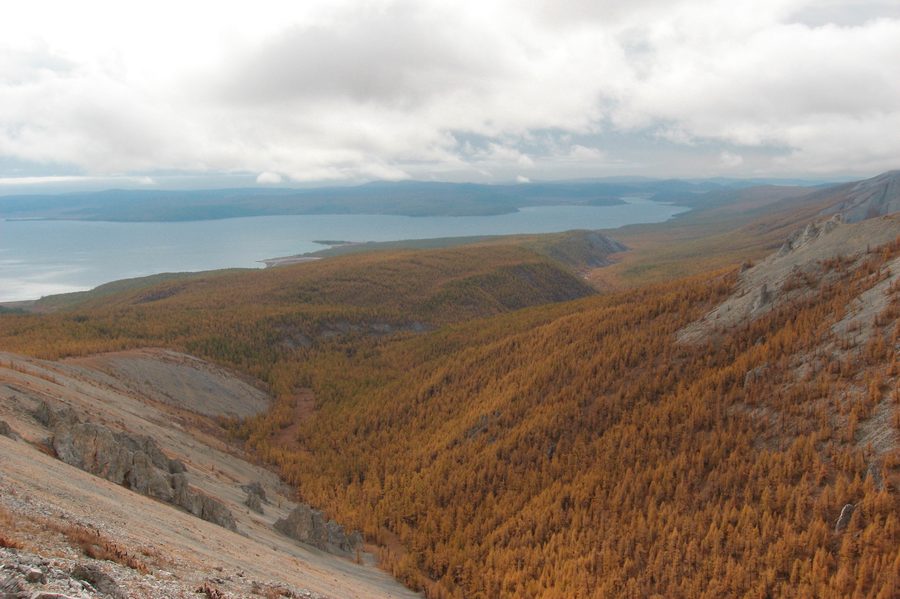 Der Khövsgöl-See in der nördlichen Mongolei bildet einen landschaftlichen Kontrast zu den Wüstenräumen der Gobi.
Photo: Yaan via Wikimedia Commons, CC BY-SA 3.0
Der Khövsgöl-See in der nördlichen Mongolei bildet einen landschaftlichen Kontrast zu den Wüstenräumen der Gobi.
Photo: Yaan via Wikimedia Commons, CC BY-SA 3.0
At a glance
- Steppe, desert, mountains and lakes offer a wide range of landscape experiences.
- The Gobi stands for vast desert expanses, dunes and striking rock scenery.
- Lake Khuvsgul combines lake, forest and taiga impressions in the north.
- As the capital, Ulaanbaatar forms an urban counterpoint to the rural landscape regions.
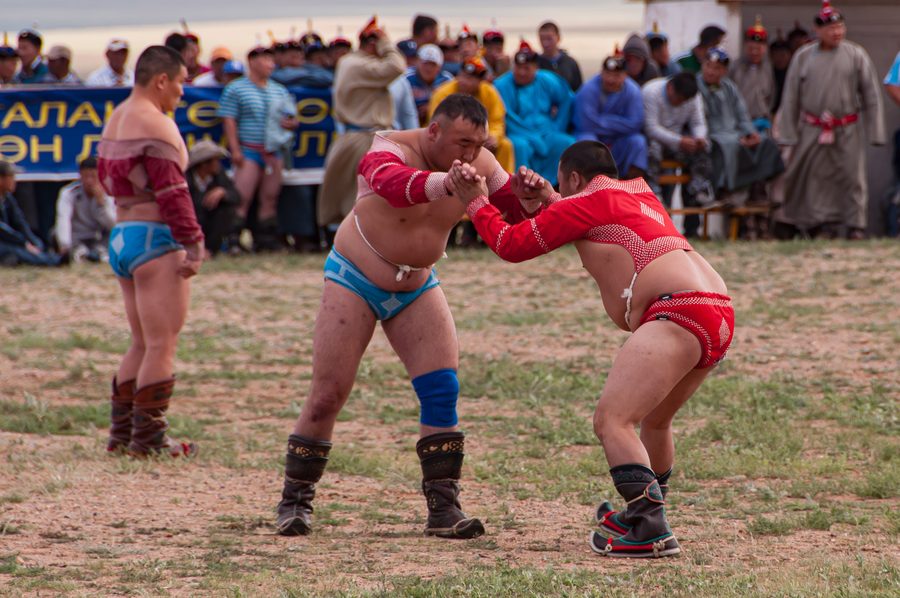
- At Naadam, wrestling, horse racing and archery are among the key competitions.
- Airag, fermented mare’s milk, introduces Mongolia’s food culture as a traditional drink.
Between the Gobi and Khuvsgul: two very different natural worlds
Anyone wanting to experience Mongolia mainly through its landscapes faces a real choice of direction. The Gobi creates a dry, open travel impression with dunes and rock formations. This includes the Flaming Cliffs and the dunes of Khongoryn Els, among others. The north sets a different tone: around Lake Khuvsgul, water, forest and taiga meet. This contrast helps you plan your route according to the natural setting you want, rather than seeing Mongolia as a single uniform steppe.
The landscape around Lake Khuvsgul is therefore especially well suited to a travel idea centred on lake, forest and northern nature. For further planning, you can also include Umnugovi and other Mongolian regions in your personal route planning. Khuvsgul works well as a regional base if the northern lake and taiga landscape is the focus.
City, culture and shared discoveries
Ulaanbaatar can be built into a trip as a separate city stop and provides a clear contrast to the landscape stages. This is especially useful if you want to include an urban start or finish alongside nature. A city stay in Ulaanbaatar can thus be deliberately combined with a subsequent landscape route. Ulaanbaatar can also be considered as a starting point when planning a city stay.
Nomad-influenced ways of life are among the recurring cultural references of a Mongolia trip. At Naadam, wrestling, horse racing and archery are brought together. This makes tradition tangible through concrete competitions and adds a cultural focus to the landscape experience. Food also provides a link to everyday life: airag is fermented mare’s milk; dairy products and hearty meat dishes are also mentioned as elements of Mongolian cuisine. Plan such culinary impressions as part of the trip without assuming that specific offerings are available everywhere.
Which travel idea suits your family?
For a landscape-oriented trip, the contrast between the Gobi and Khuvsgul is compelling: one route leads imaginatively into dry, open desert expanses, while the other leads into a northern world of lake, forest and taiga. If you want to give greater weight to cultural impressions, you can combine landscape experiences with Naadam and Mongolian food references. A trip with several interests does not have to give everything equal weight. What matters is whether you prefer to set a clear nature focus, combine city and landscape, or connect several stages with one another.
For regional travel planning, Darchan-Uul-Aimag, Dsawchan-Aimag, Gachuurt, Töw and Uvurkhangai are also available.
Adapting the accommodation base to the route
A city-based base suits a deliberately planned stay in Ulaanbaatar. If, however, the Gobi, Khuvsgul or several landscape regions are the focus, accommodation planning should follow the desired route. On a trip like this, the different experiences are not sensibly expected from just one single location. Before booking, therefore, check the exact location of each accommodation in relation to the planned stage of your trip.
Frequently asked questions about Mongolia
Which landscape contrasts shape a trip through Mongolia?
The Gobi stands for dry desert expanses, dunes and rock landscapes. Lake Khuvsgul adds northern lake, forest and taiga impressions to this picture. Steppe, mountains and other lakes complete the broad range of landscapes.
Which cultural and culinary impressions belong to Mongolia?
Nomad-influenced ways of life, the competitions of Naadam and traditional food references make culture tangible. Airag, fermented mare’s milk, is a particularly characteristic term for a drink; dairy products and hearty meat dishes are also associated with Mongolian cuisine.
Which accommodation base is suitable for a trip through different Mongolian landscape regions?
For a planned city stay, a city-focused base in Ulaanbaatar is a good choice. For a route between the capital, the Gobi and the northern lake district, stage-based planning makes more sense so that the places you stay match the respective part of the trip.


