
Accommodation in Guatemala
Accommodation in Guatemala
Guatemala is worthwhile if, for a family trip, you want to combine different travel moods: volcanic highlands, quiet days by the lake, colonial towns, and a separate northern leg with Maya sites and jungle. The country is especially appealing when you do not treat every stop the same, but choose suitable bases according to the pace you want for the trip.
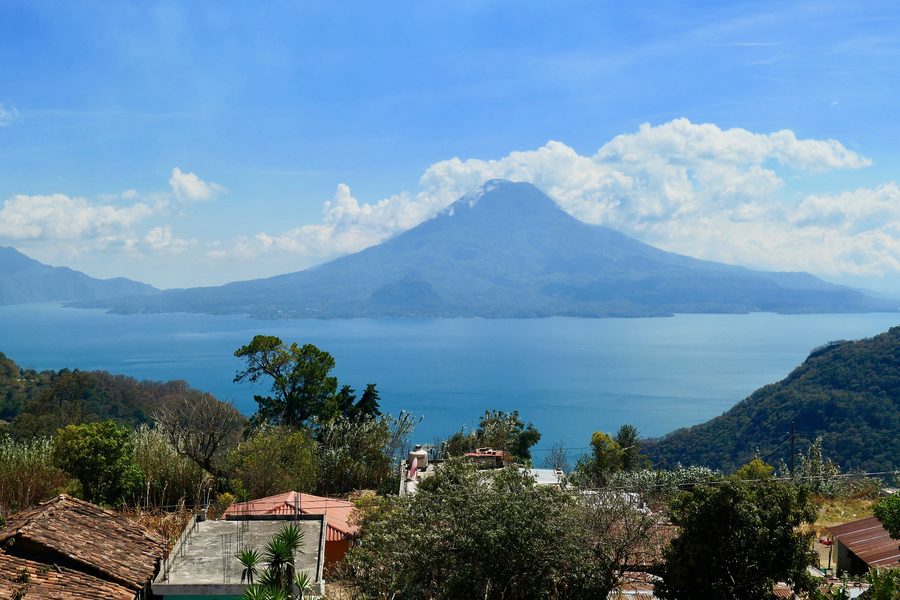 Lake Atitlán, one of Guatemala’s signature scenic lakes.
Photo: Bruno Rijsman via Wikimedia Commons, CC BY-SA 2.0
Lake Atitlán, one of Guatemala’s signature scenic lakes.
Photo: Bruno Rijsman via Wikimedia Commons, CC BY-SA 2.0
Quick facts
- Guatemala brings together volcano landscapes, lakes, colonial towns, and Maya heritage in a compact area.
- Lake Atitlán is especially well suited to slower days and outings on the water.
- For families, two or three well-chosen bases are often more useful than many changes of location.
- Guatemala City is usually more of a practical starting point than the actual destination.
Why Guatemala works as a travel base
Guatemala's strength lies in its contrasts. Highland regions, lakes, city stops, and the northern ruins leg each serve different purposes, and that is exactly what makes trip planning here interesting. For families, the key is therefore often not a single place, but the question of which mix of culture, nature, and quieter sections you want.
Central highland, cultural, and city bases
If you want to combine culture, markets, and a practical starting point for excursions, the central highland and city regions are the most important angle. Here, the focus is less on a single “best” area and more on which base fits your family's rhythm.
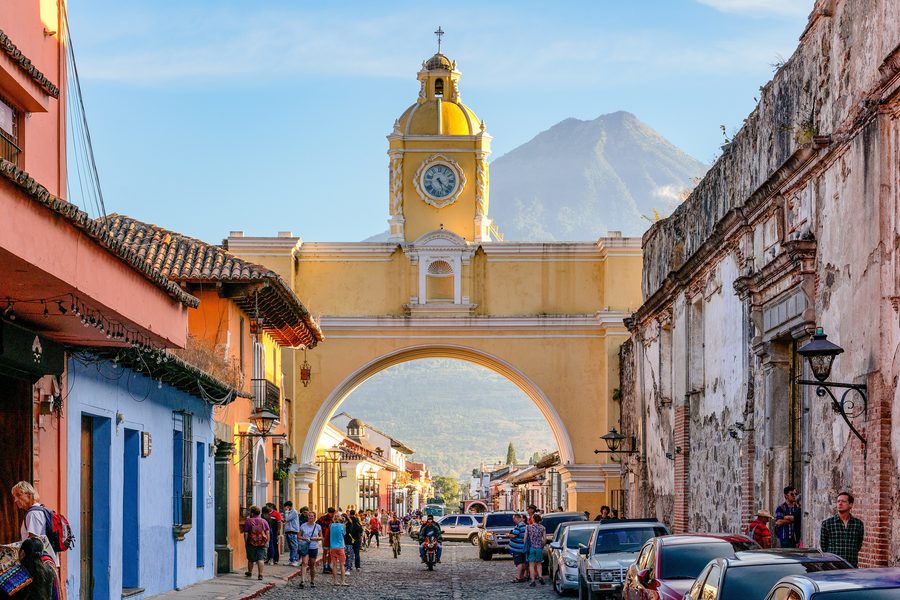
These places work well if you prefer to plan your stay around day trips rather than a single main destination:
- Chimaltenango – a central highland base for families who want to combine several excursions.
- Guatemala – more of a starting and transfer point than a main destination.
- Sacatepéquez – a highland base for quiet, scenic days.
- Sololá – useful for a quieter lake-and-highland area.
- Quetzaltenango – western highlands for days focused on culture and scenery.
- Totonicapán – suitable for a stop oriented toward landscape and culture.
This creates a trip with clear priorities instead of trying to cram everything into the same stay.
Lake, nature, and a slower travel pace
For a quieter section with views, water, and plenty of time by the lake, Lake Atitlán is the most distinctive anchor. Other highland regions also work well as scenic bases here if you prefer atmosphere over a dense city program.
These regions suit a landscape-focused section:
- Alta Verapaz – northwestern highlands as a quiet nature base.
- Departamento Baja Verapaz – a highland and nature region with a calmer character.
- Huehuetenango – western highlands for landscape-oriented stays.
- Quiché – well suited to relaxed highland and nature stages.
What matters most here is the change between scenery, calm, and individual excursion destinations.
Southern and eastern stages
If you see Guatemala as a sequence of different stages, the southern and eastern regions add another rhythm to the highland and lake stops. They are especially suitable when the route is meant to consist deliberately of several building blocks.
- Escuintla – a southwestern region with a different rhythm from the highlands.
- Retalhuleu – a southwestern stop for a route with changing landscapes.
- Santa Rosa – a southeastern region as its own building block in a round trip.
- Jutiapa Department – a southeastern round-trip region with a staging function.
- Jalapa Department – an eastern transit region, more of a complement than a main base.
- Zacapa – an eastern edge for supplementary stage planning.
- San Marcos Department – a southern route with a staged character.
These places make sense if you want your trip to be about more than just the familiar highland and lake stops.
The north and northeast as separate trip building blocks
In the north and northeast, Guatemala shows a different face again: a nature contrast, a focus on ruins, and stages that work well as a deliberate addition to the highlands and the lake. For visitors looking for more variety, this is often the part of the trip that creates the strongest contrast.
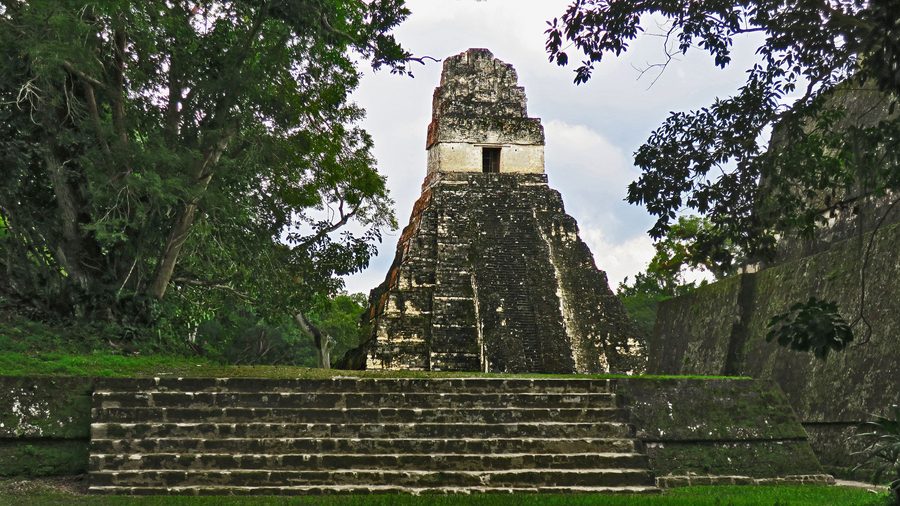
- Izabal – a northeastern and nature contrast for a route with a different type of experience.
- Petén – a targeted extra section for a ruins and jungle focus.
- Departamento Chiquimula – a standalone stage in the east.
- El Progreso Department – more of an in-between area between the highlands and further stages.
Petén is especially worthwhile when you want to expand the trip with a focus of its own.
How many bases make sense for Guatemala
For families, two to three well-chosen bases are often enough: a highland base for culture and excursions, a lake section for quieter days, and, if you want more contrast, Petén as a separate extra part. That keeps the trip varied, and each stay can have a clear purpose.
A simple planning rule helps: first choose the section that matters most to your family, and then add a second or third base with a different character.
Frequently asked questions about Guatemala
Why do the highlands, the lake, and Petén often work better together in Guatemala than a single base?
Because Guatemala offers very different landscapes and cultural forms in a compact area. With two or three bases, you get more contrasts and can tailor the trip more closely to your pace.
What is Lake Atitlán best for compared with the highland bases?
Above all, for a quieter section with views, water, and more time by the lake. That works well when a slower travel pace makes sense after more active days.
What role do Guatemala City and the central highlands play at the start of the trip?
Guatemala City is more of a practical starting point, while the central highlands can be a good base for volcano, forest, and cultural experiences.
When is Petén the right addition to a highland route?
When you want to plan ruins and jungle as a separate focus. As an add-on section, Petén is much more independent than the highland regions and fits best into a deliberately multi-base route.


