
Holiday apartment in Gros-de-Vaud
Accommodation in Gros-De-Vaud
Between Lausanne and Yverdon-les-Bains, Gros-de-Vaud appears as an agricultural landscape of the Vaud plateau: fields, forests, and rural villages give the region its own rhythm. Anyone who wants to combine family time outdoors, village discovery, and regional culture will find a manageable area to explore here - without every day having to be centered on a major excursion.
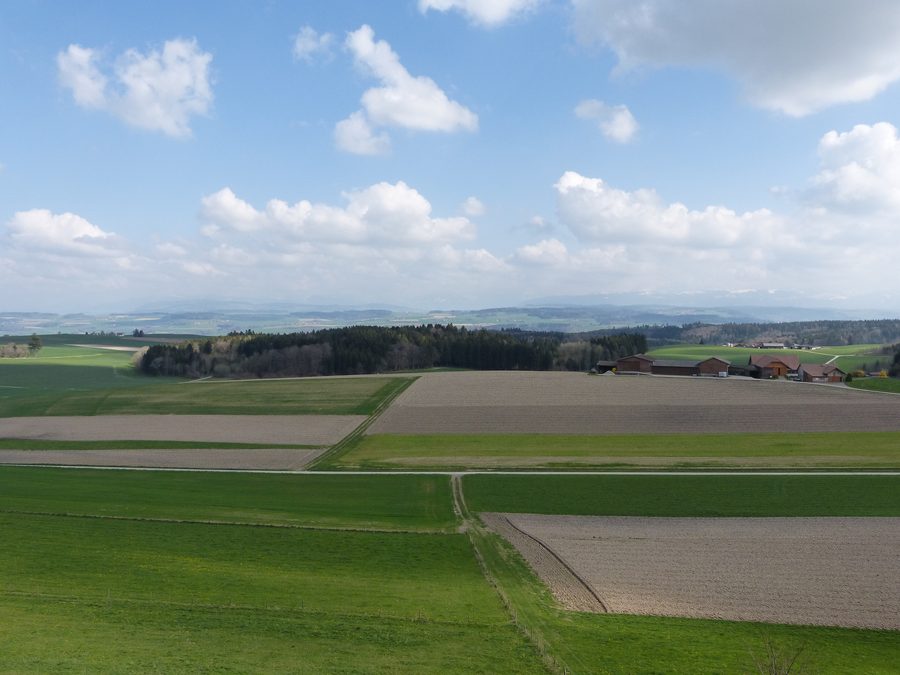 Blick über das Gros-de-Vaud, Broye und Glâne bis zu den Alpen.
Photo: Abaddon1337 via Wikimedia Commons, CC BY-SA 3.0
Blick über das Gros-de-Vaud, Broye und Glâne bis zu den Alpen.
Photo: Abaddon1337 via Wikimedia Commons, CC BY-SA 3.0
Quick facts about Gros-de-Vaud
- Rural region in the canton of Vaud on the Swiss plateau
- Around 70 kilometers of the Tour du Gros-de-Vaud in five stages
- Fields, forests, and villages as defining landscape elements
- Échallens is regarded as the center and main town of Gros-de-Vaud
- Located between Lausanne and Yverdon-les-Bains
Discover the landscape on foot
The Tour du Gros-de-Vaud makes the region tangible as a continuous walking area. Over around 70 kilometers, it leads through fields, forests, and rural villages in five stages. This provides a good basis for planning a trip with different daily rhythms: one stage or a section of it can be the focus of an active day, while on another day village structures and the cultural landscape take center stage. Walking times, level of difficulty, and current trail conditions should be checked separately before final planning.
Villages, agriculture, and heritage
In Gros-de-Vaud, agriculture is not something abstract. Along the route described, a grain silo and a potato center, among other features, make visible how strongly the regional identity is shaped by agricultural work. Traditional village architecture and churches add to this impression. This also creates tangible discovery moments for children of different ages: the landscape is not only observed, but becomes more understandable through villages, buildings, and visible infrastructure.
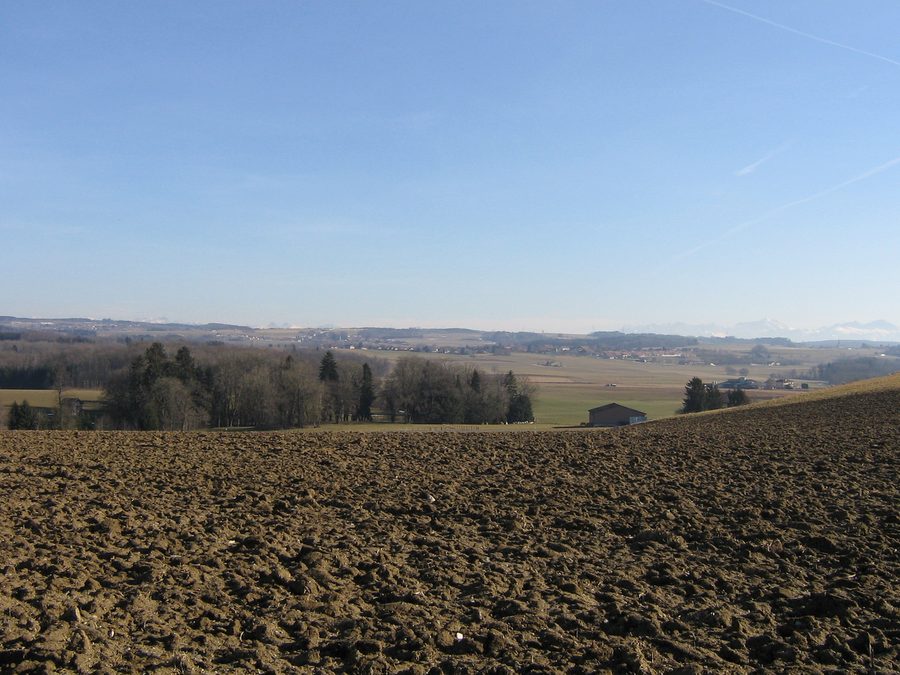
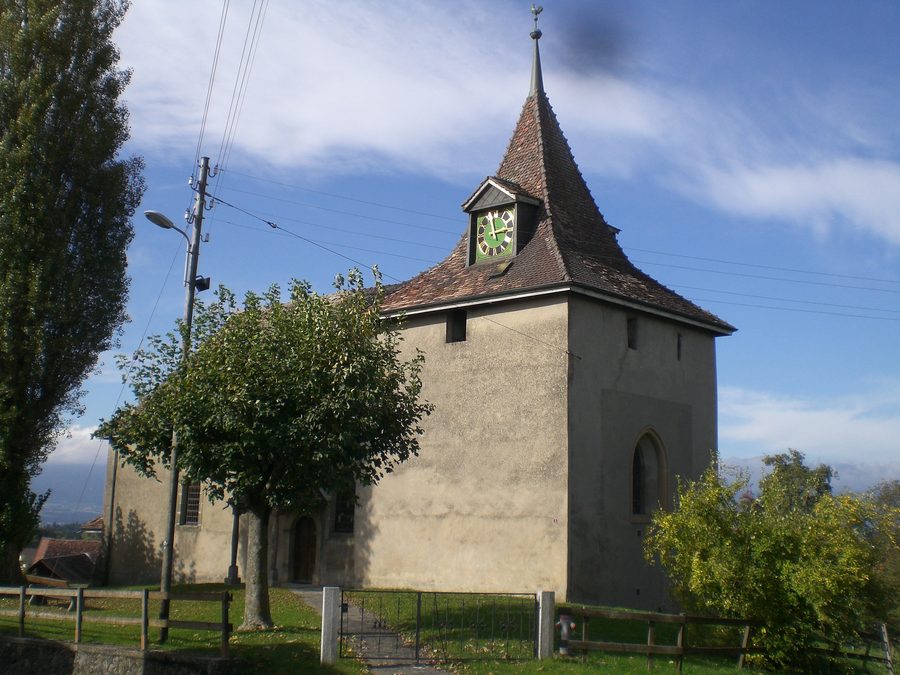
A concrete example of the connection between heritage and landscape is the described stage near Vuarrens. There, traditional architecture and a church are combined with a viewpoint from which, according to the source, the Alps and the Jura are visible. Of course, visibility depends on local conditions; as a travel idea, however, the example shows how a walk, a village, and the landscape can be combined into a single outing.
Which location is right for your trip planning?
The most important decision concerns less a supposed ranking of individual municipalities than the desired character of the trip. If fields, forests, villages, and regional trails are meant to be the focus, the idea of a rural base in Gros-de-Vaud fits well. Anyone planning additional excursions beyond the region should take the location between Lausanne and Yverdon-les-Bains into account when planning personally.
Échallens is described as the center and main town of Gros-de-Vaud. The regional information also mentions a rail connection Lausanne–Échallens–Bercher as well as northern connections toward Yverdon via CarPostal and a SBB line along part of the regional boundary. This is a guide for travel planning, but not a statement about the specific accessibility of every municipality. Therefore, check current timetables and the exact location of the accommodation you want.
As available locations within the site offering, you can view Fey, Goumoens-La-Ville, Goumoens-Le-Jux, Mex, Montilliez, and Oppens. The information available does not allow a factual characterization or ranking of these six places.
Choosing a holiday apartment or holiday home sensibly
When searching for a holiday apartment or a holiday home, the first step should be to decide which day trips you actually want to combine: regional trails and villages, or additionally excursions toward Lausanne and Yverdon-les-Bains. Then check the exact location, your own mobility, and the connection to the planned destinations. No reliable ranking is documented for the six locations; the accommodation decision should therefore arise from your personal travel plan, not from unsupported promises about peace and quiet, family-friendliness, or facilities.
To compare with other parts of the canton, you can also open Vaud.
Frequently asked questions about Gros-de-Vaud
What makes Gros-de-Vaud special as a holiday region?
Gros-de-Vaud lies on the Vaud plateau and combines agricultural landscapes, forests, villages, and the approximately 70-kilometer Tour du Gros-de-Vaud.
What experiences can be planned in Gros-de-Vaud?
Documented options include exploring the Tour du Gros-de-Vaud, rural villages, traditional architecture, churches, and visibly regional agriculture.
What should you consider when choosing a holiday apartment?
Base your choice on the type of trip you want and the day trips you plan. The region lies between Lausanne and Yverdon-les-Bains; current connections and the exact location of the accommodation should be checked separately.


