
Biniali: Vineyards and Local History
Accommodation in Biniali
Biniali can be explored through its many details: historic houses, a monument in Plaça de la Concepció, and a short route through streets and squares. The surrounding area is shaped by extensive vineyards that turn green in spring and summer. When planning your trip, you can choose between local history, a short route, and seasonal scenery.
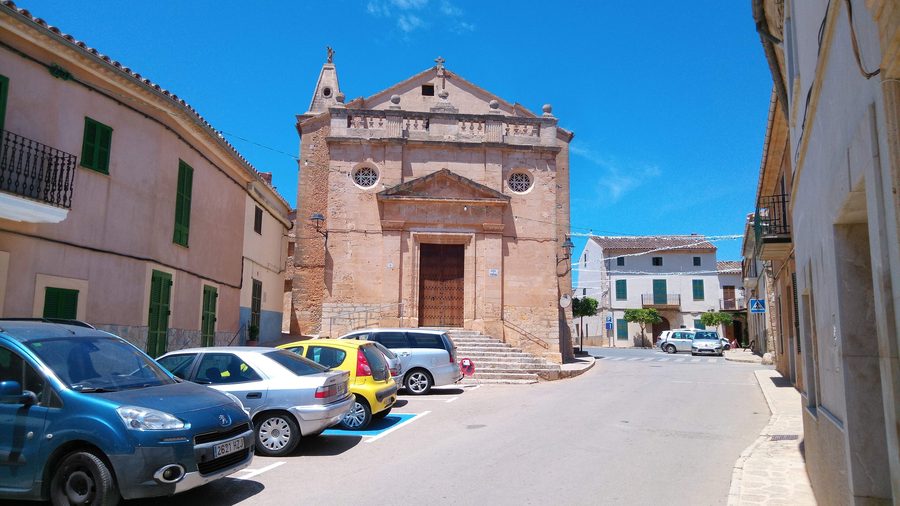
Houses and squares with their own historical markers
The house So n’Antic has been documented since the 16th century and has three floors. Its façade features a relief of the Immaculate Conception dating from 1661. The history of the house and the dated detail on its façade offer two different historical reference points: a long history for the house and a precise date on the façade.
Can Grau also adds specific details to the local streetscape. The house at carrer Sant Joan 3 has a traditional design and an inscription dated 22 May 1856. It also has 19th-century window sills. The details set a single calendar date alongside a broader span of a century—a noteworthy distinction if you pay attention to details on houses.
La Rectoria is next to the church and dates from 1696. The building was initially used as a vicarage and became the rectory in 1934. There is also a monument to the Immaculate Conception in Plaça de la Concepció. Construction began in 1854 and was completed in 1918; 64 years separate these two dates. The houses and the monument tell the story of the village in different ways: through the use of a building, a detail on a façade, or the long span between the start and completion of construction.
A short route and green vineyards
The route “Biniali: carrers i places amb història” is easy and 0.5 km long. Its length gives you a clear reference for planning your day if you want to focus on streets and squares with historic significance. Check local access conditions before your visit.
The landscape around Biniali offers a different travel experience: it is shaped by extensive vineyards that turn green in spring and summer. If you want to experience the area’s green side, you can use these seasons to help plan your trip. The route and the vineyard landscape offer different points of interest: a clearly specified short walk in the village and seasonal scenery in the surrounding area.
A literary connection and the Pou de Biniali
Through the house So n’Arrom at carrer des Pou 1, Biniali is also connected with the writer Maria Antònia Oliver. She bought the house in the late 1970s with her husband, Jaume Fuster. This connection adds a literary story to the architectural and religious historical markers. The house is a separate point of interest and is not automatically part of the route “Biniali: carrers i places amb història.”
At the edge of the village is the Pou de Biniali, described as a place visitors can visit. The site includes two wells, a bridge, two benches, and a boundary cross. These features make the site easy to picture as a whole: you can take in the two wells, the bridge, and the benches together with the boundary cross.
Finding a holiday rental in Biniali
When looking for a holiday rental in Biniali, it helps to decide on your priorities first. Would you rather focus on the houses, façades, and squares, or are you especially drawn to the green vineyards in spring and summer? The easy, 0.5 km route can also be part of your day’s plans. Then check the location and details of each specific accommodation against your own plans. This will help you choose accommodation that suits the way you want to explore Biniali, without conflating different travel interests.
For the broader travel overview: Sencelles.

