
Accommodation in Spain
Accommodation in Spain
Spain can look very different for your family: as a journey between Andalusian beaches and cultural sights, as an island stay with volcanic landscapes, as time in the Pyrenees, or as an exploration trip through the greener north. If you first decide whether water, nature, culture, city life, or food should shape your stay, you can then choose a region and a suitable place to stay more deliberately.
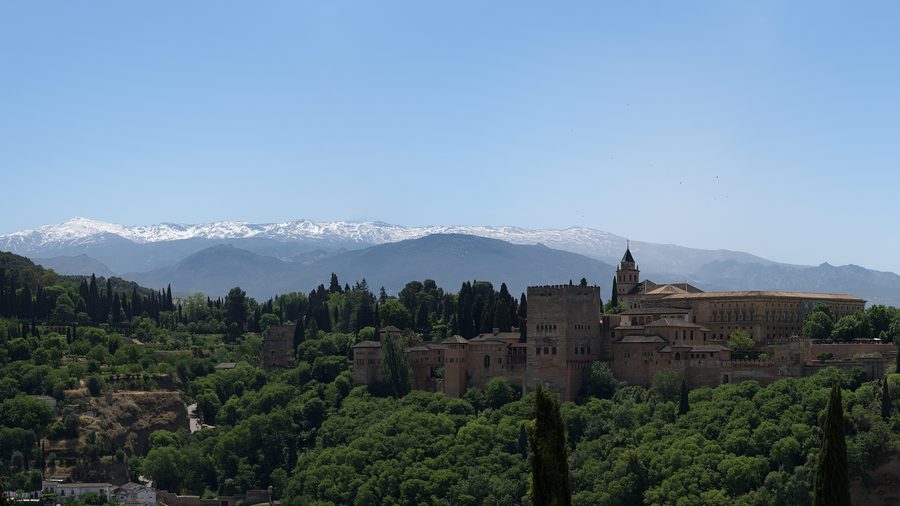 Die Alhambra in Granada zählt zu den bekannten Kulturorten Andalusiens.
Photo: Ahjaypee via Wikimedia Commons, CC BY-SA 4.0
Die Alhambra in Granada zählt zu den bekannten Kulturorten Andalusiens.
Photo: Ahjaypee via Wikimedia Commons, CC BY-SA 4.0
Spain in brief
- Andalusian beaches, the Spanish islands, and the Pyrenees stand for very different kinds of travel experiences.
- Andalusia combines the Alhambra, the Mezquita, the Alcázar, and Flamenco tradition.
- Spain includes Mediterranean islands such as Mallorca, Menorca, and Ibiza as well as the Canary Islands.
- Asturias combines coastline, mountains, and valleys into a varied landscape.
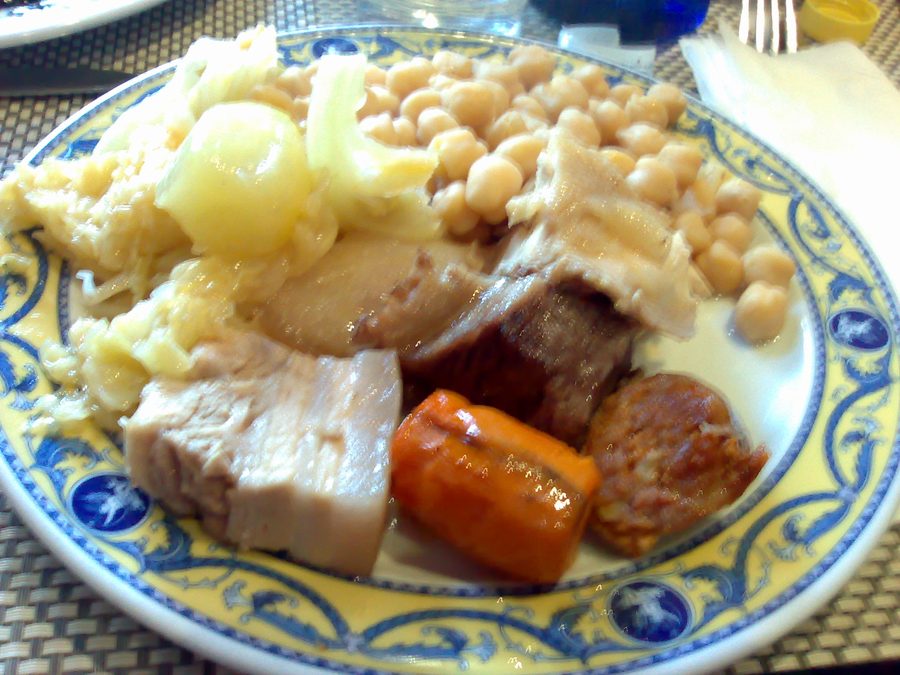
- Cocido madrileño is one of the traditional dishes of the Madrid region.
- In the Ebro Valley of Aragon, olives, vegetables, peaches, and lamb shape the local food landscape, among other products.
Four travel ideas for a large country
Spain is easier to understand if you do not immediately search for a single property, but first describe the kind of trip you want. For families with different interests, that may mean some are looking forward to water and island atmosphere, while others want nature, cities, buildings, or regional dishes. The contrasts below offer a practical starting point for choosing a region.
Coast and islands
Mallorca, Menorca, and Ibiza, along with the Canary Islands, represent Spain’s island world. Andalusian beaches add a mainland coastal area to this picture. If your shared days by the water are to be the main focus, first choose the island or coastal region that fits your travel idea. The accommodation should then be in exactly that type of setting, not selected only by the country name.
Mountains and green landscapes
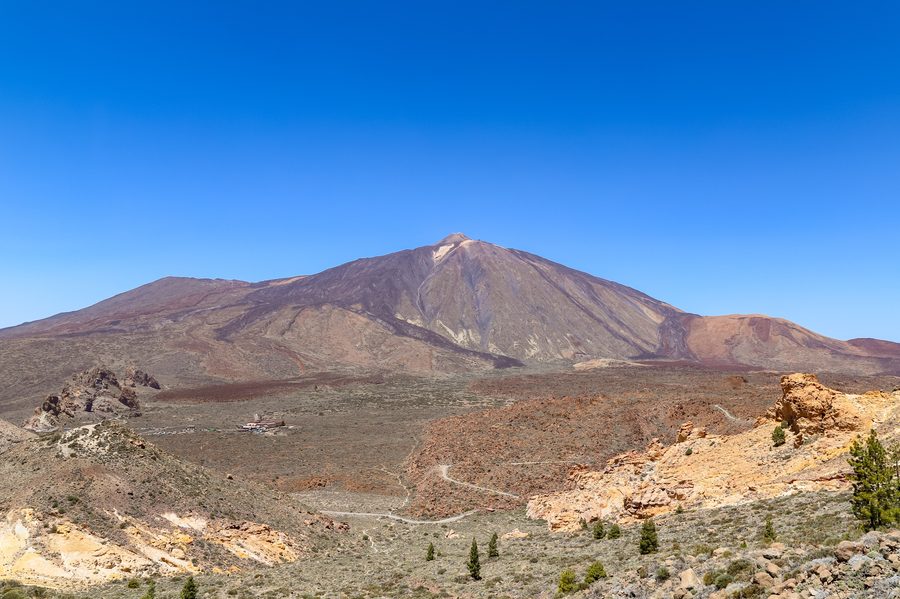
The Pyrenees are associated with mountain ranges, high valleys, mountain lakes, and waterfalls. In northern Spain, Galicia, Asturias, Cantabria, the Basque Country, and Navarre form a landscape stretching from coastline through mountains to smaller towns. Asturias is a clear example of the combination of coast, mountains, and valleys. Before choosing accommodation, decide whether the coastline or the mountain-and-valley landscape should set the pace of your days.
Andalusia: cultural sights, landscape, and Flamenco
Andalusia is a practical choice for families who want to combine culture and southern landscapes. The Alhambra in Granada, the Mezquita in Córdoba, and the Alcázar in Seville give a trip concrete shared goals; Flamenco adds a living tradition to the buildings. At the same time, Andalusia includes different landscape examples such as coastlines, mountain areas, and the desert scenery of Tabernas.
City and regional cuisine
Culinary interests can also enrich your choice of region. Spain’s cuisines differ from region to region and are shaped by landscape, climate, and historically grown influences. In Madrid, Cocido madrileño is a concrete example of a traditional dish. In the Ebro Valley of Aragon, olives, vegetables, peaches, and lamb are among the local products. Garlic and olive oil also reappear in many regional Spanish cuisines.
First the travel idea, then the place to stay
In a country with such varied landscapes, a step-by-step decision is worthwhile. If you mainly want to experience water and islands, the accommodation should be in a suitable coastal or island area. If you want to visit several Andalusian cultural sights, choose a location based on the main area you plan to explore. For a nature-focused trip with Asturias as an example, it makes sense to distinguish in advance between the coast and the mountains and valleys. If regional cuisine is especially important to you, you can include that wish as an additional factor when choosing Madrid, Aragon, or another region.
That way, the accommodation remains part of the trip plan: it supports the setting that should shape your shared days. Before booking a specific property, check the exact location if certain cultural sights, landscapes, or stretches of coast are important.
Discover regions in Spain
The following regions lead you to different parts of Spain. First use your preferred travel idea as guidance, then explore the region whose landscape or cultural focus best matches your plans.
Coast and islands
For a trip idea centered on islands or the coast, you can take a closer look at Balearic Islands, Canary Islands, Murcia, and Valencia. The island groups can be understood as Spanish island travel landscapes; for Murcia and Valencia, the region name remains the right next step.
North and mountainous landscapes
If coast, mountains, and greener landscapes are all of interest, the next steps lead to Asturias, Galicia, Cantabria, Basque Country, and Navarre. Asturias represents the combination of coast, mountains, and valleys; the other names help you continue exploring northern Spain in a more focused way.
Culture, cities, and inland Spain
For architecture, history, and culturally shaped travel ideas, Andalusia, with its well-known cultural sights, offers a clear starting point. You can also check Ciudad De Ceuta, Ciudad De Melilla, Extremadura, Castile-La Mancha, Castile and León, and Catalonia as additional regional destinations. Madrid complements this group with a concrete culinary reference point: Cocido madrileño.
Culinary highlights
If regional products are part of your travel idea, Aragon and La Rioja can serve as your next points of orientation. Aragon can be clearly understood through the products of the Ebro Valley; with La Rioja, the region name leads to further individual exploration. The deciding factor is which culinary focus should accompany your shared days.
Frequently asked questions about Spain
Which landscapes and travel experiences can be combined in Spain?
Andalusian beaches, islands, the Pyrenees, and Asturias show how differently a stay can look. This lets you choose between water, island atmosphere, mountains, and a combination of coast and valleys.
What role does regional cuisine play in a trip through Spain?
The cuisines vary by region. Cocido madrileño in Madrid, as well as olives, vegetables, peaches, and lamb from the Ebro Valley of Aragon, make this difference visible through concrete examples.
Which Spanish travel idea suits culture or nature?
Andalusia combines cultural sights and Flamenco with varied southern landscapes. Asturias stands for coast, mountains, and valleys. These two examples help you decide whether culture or nature should shape your stay more strongly.


.jpg)
