
Czechowice-Dziedzice: Parks, Cycling and Local History
Accommodation in Czechowice-Dziedzice
Czechowice-Dziedzice offers several ways to plan a stay: city parks, cycling routes and distinctive themes from local history. The green spaces vary in size and character; technical monuments, a miners’ settlement and a regional history room round out the picture. If you are looking for a holiday apartment, you can plan your stay around whether you would like to focus on parks and cycling or on architectural and urban history.
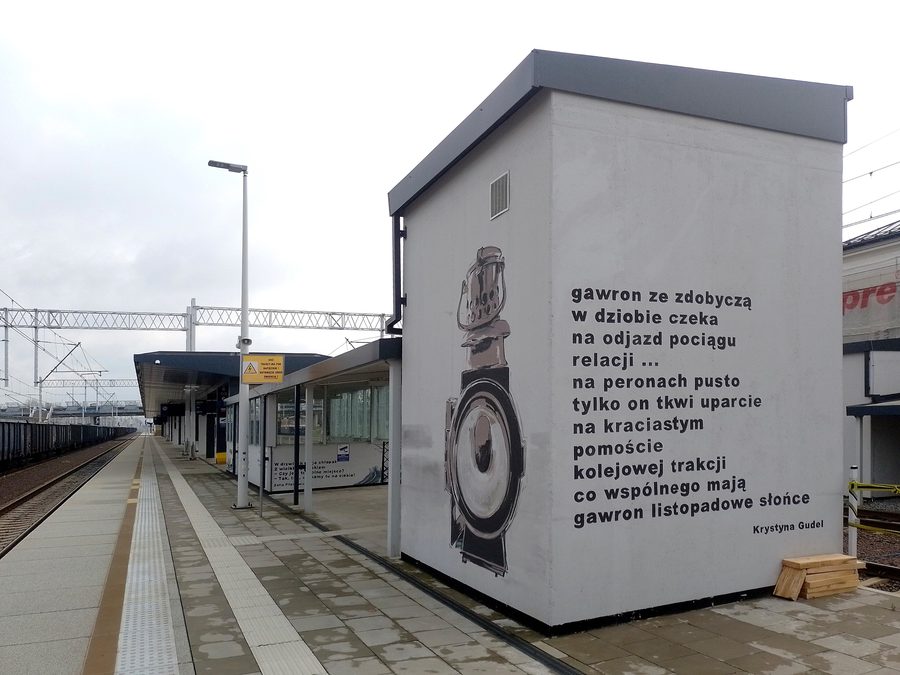 Szyb windowy na stacji Czechowice-Dziedzice z muralem poetyckim.
Photo: Kamil Czaiński via Wikimedia Commons, CC BY-SA 4.0
Szyb windowy na stacji Czechowice-Dziedzice z muralem poetyckim.
Photo: Kamil Czaiński via Wikimedia Commons, CC BY-SA 4.0
Green Spaces and Cycling
Park history and mature trees come together in Lasek City Park. The park was established in the second half of the 1890s by the owners of the “Schodnica” refinery. They made use of the old stand of trees, consisting mostly of oaks, in Dolny Las “Goju.” The “Ptasi Zegar” installation is also located in the park.
At 8 hectares, Szwajcarska Dolina Park is the largest recreation and leisure complex in Czechowice-Dziedzice. An approximately 900-metre-long MTB trail for beginners and intermediate cyclists runs through its northern part. The approximate length and stated experience levels give you concrete points of reference for planning; check local conditions before riding.
Park na Północy covers 3.6 hectares. It is in the northern part of the city, by Polna, Baczyńskiego and Morcinka Streets. The area figures allow a direct size comparison with Szwajcarska Dolina: 3.6 hectares compared with 8 hectares.
Cycling Route No. 17 is another consideration when planning: the route description for Czechowice-Dziedzice, published in 2026, runs along city streets with shared pedestrian and cycle paths as well as scenic side roads. The description therefore covers different types of road sections; no route length is given here.
Traces of Railways, Mining and Local History
The locomotive workshop was built in 1853–1854. It is closely connected with the establishment of the railway junction in Dziedzice and is considered a valuable technical monument. For anyone interested in the history of technology and railways, both the workshop and its link to the development of the railway junction are important aspects of the city’s history.
A miners’ settlement was built on Górnicza Street in 1903 for miners from the “Silesia” hard coal mine. Its five rows are called “rajami.” The date, purpose and layout offer specific insights into the history of the miners’ settlement, without requiring a general description of the city’s architecture.
St Catherine’s Parish Church is considered the city’s oldest and most valuable monument. The regional history room offers another way to explore the past: it collects and preserves historical objects relating to the history of the city and the region, and makes them available to residents, students and visitors. While the church is a single monument, the regional history room is devoted to a collection of objects from the city and region.
Plan Your Stay Around Your Interests
When deciding what to focus on during your trip, you can weigh up several clearly defined themes. City parks, the oak trees in Lasek and the MTB trail will appeal to travellers who would like to include green spaces and cycling in their plans. The workshop, miners’ settlement, parish church and regional history room represent different aspects of architectural, technical and local history. Direct your search for a holiday apartment according to which of these interests you would like to shape your stay.
Discover more destinations: Porąbka, Bystra, Rudzica, Meszna, Buczkowice, Wilkowice, Świętoszówka, Międzyrzecze Górne.
For the broader travel overview: Bielsko-Biała.

