
Wongrowitz: Rivers and History
Accommodation in Wongrowitz
In Wągrowiec County, striking river connections meet a layered history. The Nielba, Wełna, Struga Gołaniecka and Mała Wełna rivers flow through the county; the Nielba and Wełna even cross here. The area also has medieval traces in Łekno and Gołańcz, as well as the listed church in Tarnowo Pałuckie. These varied themes give your trip a clear focus—depending on whether you are especially interested in waterways, religious architecture or castle history.
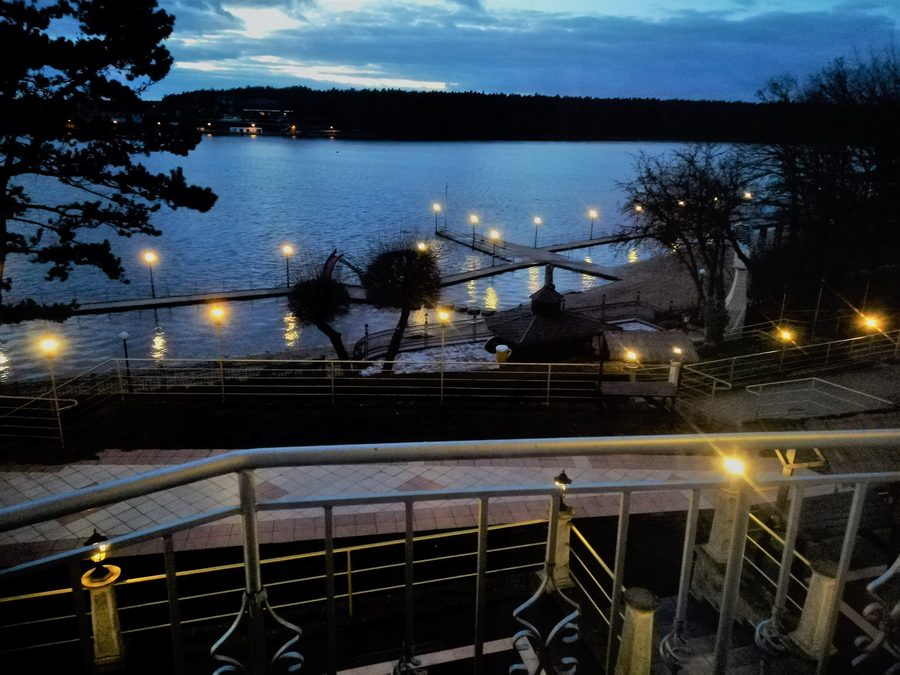 Der Durowskie-See gehört zum Ortsbild von Wągrowiec.
Photo: MOs810 via Wikimedia Commons, CC BY-SA 4.0
Rivers as a defining feature
Four rivers run through Wągrowiec County: the Wełna, Nielba, Struga Gołaniecka and Mała Wełna. The Nielba and Wełna have a special connection: they cross within the county, creating a unique hydrographic phenomenon. The river landscape is therefore not just a general natural feature, but a specific part of the region’s identity. If you enjoy exploring geographical curiosities when planning a trip, you can make this connection a focus in its own right alongside the historical sites.
Monastic history and architectural heritage in Łekno
In the first half of the 12th century, Zbylut of the Pałuki family founded a Cistercian monastery in Łekno. It is now considered the oldest abbey in Polish territory. The site thus represents an early monastic history that can also be traced in the surviving and preserved architectural remains: the settlement complex of Łekno contains traces of castle structures, a Romanesque rotunda and Gothic religious architecture.
The variety of architectural styles makes Łekno an interesting destination for anyone who does not want to reduce a historic site to a single building. The castle structures, round building and religious architecture point to different aspects of the settlement complex’s history. Together with the monastery’s founding, they create a layered picture that extends from defensive architecture to religious buildings.
Gołańcz Castle and the church in Tarnowo Pałuckie
The castle in Gołańcz is a defensive residential tower dating from the second half of the 14th century. It stands on the shore of Lake Smolary and is partly surrounded by surviving walls four metres high. This combination of a medieval structure, a defensive function and a lakeside setting clearly distinguishes the site from the monastic and religious buildings in Łekno.
An announcement published on 4 March 2026 stated that admission was free. According to the announcement, individual visitors did not need to book in advance but had to collect a free admission ticket at the castle information point. Visits were possible only with a guide, starting on the hour. Before your trip, check whether these announced visiting conditions still apply.
Another historic landmark is St Nicholas Church in Tarnowo Pałuckie, which was entered in the register of monuments in 1933. This adds religious architectural history and heritage protection to the themes associated with Łekno and Gołańcz. When choosing a holiday apartment, it may help to decide on your preferred focus first: the special connection between the rivers, monastic history or the medieval castle. That way, your accommodation search can be guided by the experiences that matter most to you during your stay.
Discover more places
Discover more destinations: Wągrowiec, Grzybowo, Legowo, Mikołajewo, Gołaszewo, Skoki, Kobylec, Sławica and Przysieczyn.
See the broader travel guide: Greater Poland.

