
Accommodation in Luxembourg
Accommodation in Luxembourg
Luxembourg surprises with rapid shifts between river landscapes, vineyards, wooded hills, and urban culture. In the east, the Luxembourg Moselle, sun-exposed vineyard sites, and places like Schengen shape the travel picture; in the north, the Ardennes region with valleys, waters, and forests provides a clear natural contrast. Added to this is the capital region as an urban option for anyone who wants to combine culture and outings. For families, it is therefore worth deciding first on the desired mix for the day and only then choosing the location of the accommodation.
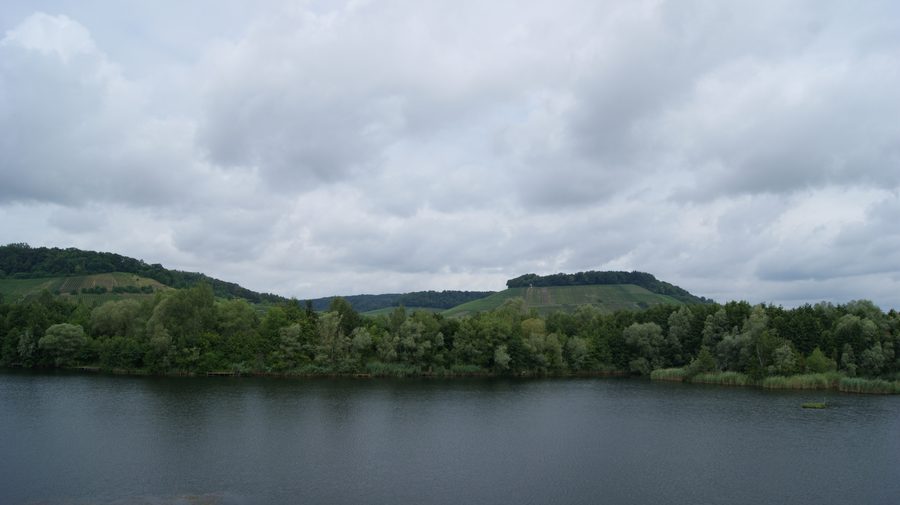 Blick über das Naturschutzgebiet Haff Réimech bei Remerschen in der Luxemburger Moselregion.
Photo: Asurnipal via Wikimedia Commons, CC BY-SA 4.0
Blick über das Naturschutzgebiet Haff Réimech bei Remerschen in der Luxemburger Moselregion.
Photo: Asurnipal via Wikimedia Commons, CC BY-SA 4.0
Quick & useful
- The Luxembourg Moselle stands for vineyards, river scenery, as well as wines, Crémants, and late-harvest wines.
- Along the Moselle, hilly landscapes and the Haff Réimech and A Wiewesch nature reserves can be explored on foot or by bike.
- Schengen combines a wine village with European history and views over the surrounding vineyards.
- The north of Luxembourg belongs to the Ardennes region, the Éislek, with wooded hills, valleys, and waters.
- Holiday apartments and holiday homes are offered in different landscape and urban regions, including the Moselle, the Éislek, and Luxembourg City.
- Judd mat Gaardebounen and Kachkéis are two names that curious travelers can get to know on the culinary side of Luxembourg.
The Moselle: vineyards, river, and culture in one day
The Moselle region is the most clearly defined travel character in Luxembourg. Its sun-exposed slopes are covered with vines, from which wines and Crémants are produced, among other things. This makes the landscape interesting not only for moments of enjoyment: between the river and the hills, a quieter day of discovery can combine nature and regional culture.
Anyone planning some activity can choose along the Moselle between hilly landscapes, the Haff Réimech and A Wiewesch nature reserves, and trails for hiking and cycling experiences. In Schengen, a cultural accent is added: the European Museum connects European history with the wine village and the surrounding vineyards. In this way, a family day can alternate between landscape, a joint museum visit, and a regional meal without the trip consisting of just a single activity.
Grevenmacher can be classified in this context as a Moselle-oriented choice. The town belongs to the Moselle wine region; traditional sparkling-wine culture is also presented there. If vineyard scenery, river landscapes, and regional culture are the main focus, accommodation in or near this eastern perspective is a natural choice. Before booking, check the exact location of the accommodation if specific places or short distances are important for your day plan.
The north: wooded hills and quiet natural scenes
In the north, the Ardennes region, the Éislek, shapes a different landscape language. Wooded hills, valleys, and waters form a counterpoint to the Moselle and to the city. For a trip with nature and activity days, this perspective may suit better than an urban starting point; at the same time, the specific choice of accommodation still depends on its actual location and the planned day program.
Diekirch can be mentioned as a restrained northern option. The name opens access to this northern perspective without pre-empting individual sights or special accommodation advantages. Anyone wanting to focus on landscape and quieter days can further explore the holiday apartment in Diekirch as a suitable regional starting point.
City or countryside? Choose your accommodation base by interest
Luxembourg can sensibly be planned according to the character of the trip rather than the type of accommodation. A city base in the capital region suits a stay in which culture and sightseeing are the starting point. The Moselle shifts the focus more toward vineyards, river scenery, nature reserves, and places like Schengen. A northern, nature-oriented base brings wooded hills, valleys, and waters to the fore.
For families with different preferences, a holiday apartment or apartment can be interesting if shared meals and a flexible daily rhythm are part of the travel idea. This is not a statement about the facilities of individual properties: the decisive factors remain the exact location and the conditions of the respective accommodation. Those aiming for Luxembourg City as an urban region can check the selection Luxembourg; the designation “holiday apartment in Luxembourg” leads to the corresponding regional accommodation selection.
What adds flavor to Luxembourg
A small culinary discovery plan is worthwhile too. Judd mat Gaardebounen and Kachkéis are two specific specialties whose names are worth remembering for a trip. They add a regional layer to the landscape impressions and are well suited as conversation topics or a shared discovery during a culinary break. This brief insight deliberately focuses on two tangible reference points of Luxembourg cuisine.
Regional selection for your Luxembourg trip
The three regional entry points help align the accommodation search with the planned experiences: Grevenmacher stands for wine and sparkling-wine culture in the Moselle comparison, Diekirch opens the northern perspective, and the Luxembourg selection leads to the urban region. None of these options has to be the right one for every trip. Consider whether shared days should be shaped more by city and culture, by river and enjoyment, or by nature and activity—after that, the location decision becomes much more concrete.
Frequently asked questions about Luxembourg
Which travel experiences distinguish the Moselle region and the north?
The Moselle combines vineyards, river scenery, nature reserves, and cultural places such as Schengen. The north, or the Éislek, is shaped by wooded hills, valleys, and waters. This sets enjoyment and river landscapes against a more nature-oriented travel image.
What can be discovered along the Luxembourg Moselle besides vineyards?
In addition to the vineyards, the Haff Réimech and A Wiewesch nature reserves offer opportunities to experience hilly landscapes on foot or by bike. In Schengen, the European Museum adds European history to the landscape.
Which accommodation base suits city, Moselle, or nature plans?
For urban culture, the capital region is an option as its own city-based choice. The Moselle suits vineyard scenery, river, and cultural stops, while a northern base places the Ardennes region with its forests, valleys, and waters at the center.

