
Discover Ziliz: Oak, Church and Local History
Accommodation in Ziliz
Ziliz brings together three distinct themes: a more than thousand-year-old pedunculate oak above the village, a Reformed church with medieval building elements, and the history of the Bódva Valley Railway. Nature, architectural history and local history offer different perspectives on the village. If you are looking for a holiday apartment in Ziliz, you can decide whether you want to focus on local sights or also explore further themes in the wider destination of Borsod-Abaúj-Zemplén.
An ancient oak on Kert-tető
On Kert-tető, a hill above Ziliz, stands a large pedunculate oak considered a local sight. It is more than a thousand years old. The tree is still alive, but has been damaged by lightning and has lost several branches. In 1961, it was added to the register of nature reserves. Its great age and the marks of the damage are equally part of its story.
The oak offers a tangible connection with nature in Ziliz, distinct from the village’s architectural history. If you are interested in old trees, it is a special landmark; at the same time, its story shows that a sight is shaped not only by its age, but also by changes over time.
Church history with medieval building elements
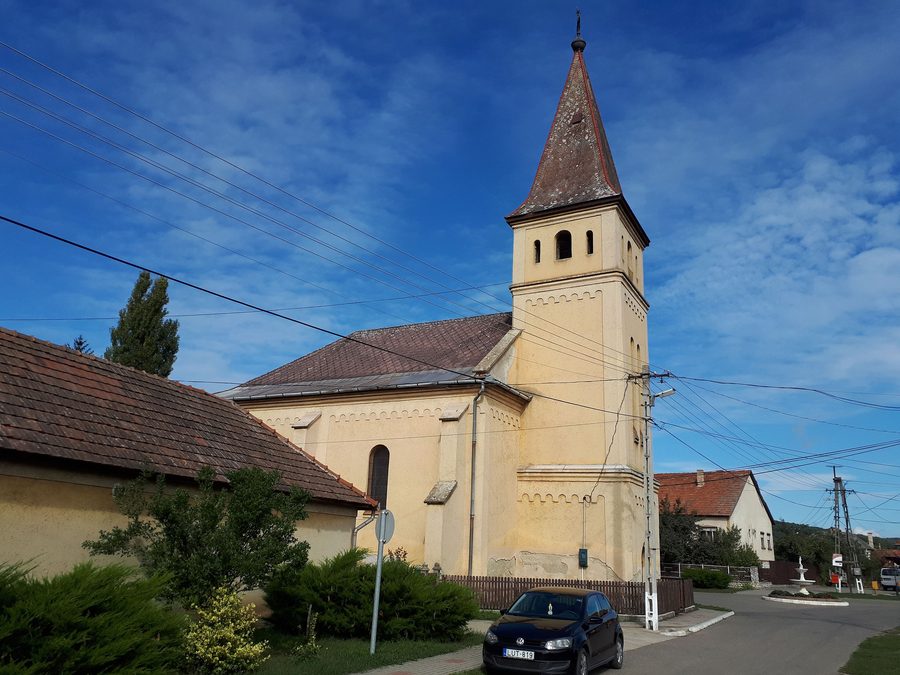
A different time period is reflected in Ziliz’s Reformed church. It was built in 1804–1805 using older medieval parts of the building. The construction therefore dates to the early 19th century, while some parts of the building are medieval. This layering of periods makes the church a distinct historical landmark.
Unlike the oak, the focus here is on the reuse of older building fabric. This offers two ways to view the village’s history: through an old tree whose story is marked by age and damage, and through a church building that incorporated medieval elements in a later construction.
The Bódva Valley Railway in local history
The Bódva Valley Railway is also part of Ziliz’s history. It was completed in the late 19th century. The railway station serving the village was outside the built-up area, 1.5 kilometres from Ziliz. This historical location adds a railway connection to the themes of nature and architecture, while noting that the station was not within the built-up village.
For your stay, this gives you a clear choice of local interests: the oak represents nature, the Reformed church architectural history, and the railway station a historical connection to transport infrastructure. If you are looking for a holiday apartment in Ziliz, these different themes can help you decide what to focus on during your stay.
More nature and culture in Borsod-Abaúj-Zemplén
The wider destination of Borsod-Abaúj-Zemplén offers further nature and culture themes. The Baradla-Domica cave system is part of the UNESCO World Heritage-listed Caves of Aggtelek Karst and Slovak Karst. The short Aggtelek Cave Tour is one kilometre long, takes 60 minutes and is rated easy. A nature trail connects the Aggtelek and Jósvafő entrances to Baradla Cave and introduces the area’s natural and cultural history.
This offers a cave tour with a defined length and duration alongside a nature trail with its own focus. Another opportunity to observe nature is the Hucul herd in the pastures of Gergés-lápa, about 1.5 kilometres north of Jósvafő. It can be visited year-round; as rules for keeping the animals may change, check current visiting arrangements before you go.
Discover more destinations
Becskeháza, Szögliget, Jósvafő, Perkupa, Aggtelek, Tornaszentandrás, Égerszög, Bódvarákó
To the wider travel overview: Edelényi.

