
Gyula: Castle, Baths and Vibrant Culture
Accommodation in Gyula
Gyula brings together a wide range of things to discover: a well-preserved brick castle, museums covering a variety of subjects, a boat trip on the Old White Körös, walks and bathing facilities. When choosing your holiday apartment, you can decide whether the castle and exhibitions, time at the baths or walks in green surroundings should play a larger part in your stay.
Castle, City Views and Water
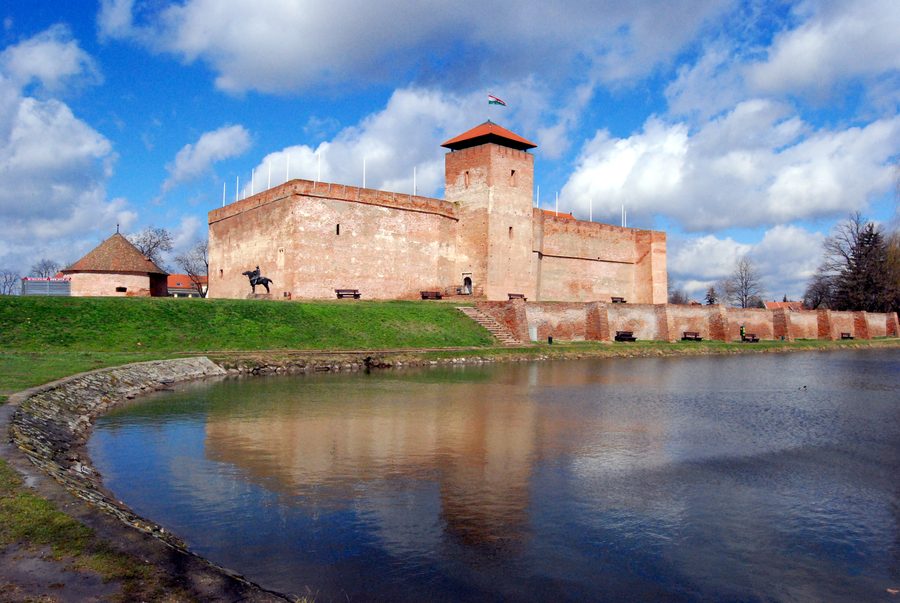
Gyula Castle was built in the 15th century and is a well-preserved lowland brick castle. Its walls house a museum with 24 exhibition rooms covering almost seven centuries of history. The observation tower offers views over the city. Here, the preserved building, museum exhibitions and views across Gyula come together.
The Old White Körös runs through the city centre as a green corridor within the city limits. A boat trip lets you experience the city from a different perspective. If you prefer to get around on foot, the Élővíz Canal, the pond by the castle and several parks offer destinations for leisurely walks. A boat trip and a walk offer different experiences: you can take in Gyula from the water or enjoy the green pathways at a relaxed pace.
Bathing Facilities and Walks in Green Surroundings
Gyula Castle Spa has 23 pools and a water surface area of 5,500 m². Facility details may change; check the figures if you are using them for your planning. The spa is open year-round and, under the supervision of qualified professionals, offers treatments including mud baths, galvanotherapy, electrotherapy, carbon dioxide baths, traction baths, underwater jet massages, medical massages, physiotherapy and aqua therapy. The availability of individual treatments may vary.
The Kisökörjárási Fairy Forest Nature Trail combines time in the forest with information on site: eight panels introduce the diversity of the forest and explain how to treat it with care. Gyula therefore offers a range of options, from the pools at Gyula Castle Spa to the nature trail and leisurely walks along the canal, by the castle pond or in parks.
Distinctive Houses and Museums
The Máriás-ház was built in the Baroque style in 1770. It serves as a museum, community centre and cultural centre for the self-government of Gyula’s German minority. The original statue of Mary from the façade niche can now be seen in the house’s exhibition area. Guided tours must be booked in advance.
At the visitor centre of the Almásy Estate, several exhibitions and interactive stations offer insights into the lives of the nobility and their staff. The Ladics House offers a different perspective on historical ways of life: the fully furnished home bears witness to the lives of the Hungarian middle classes. Anyone interested in specific collections can find working Hungarian radios from the pre-war period, telephones and other electronic devices at the Radio History Exhibition, including items by EKA, Orion, Philips, Standard, Telefunken and Telefongyár.
The Ferenc Erkel Memorial House features interactive exhibits on European national anthems, as well as exhibition rooms devoted to European music and the musical work of Ferenc Erkel’s four sons. The Kohán Gallery houses a permanent exhibition of works by Hungarian artist György Kohán. TájVízHáz explores the landscape, waters and natural resources of the Körös region, as well as its spa culture and folk medicine. The Museum of the Romanian Orthodox Diocese displays historical objects, liturgical vestments and other items from the services of Hungary’s Romanian Orthodox community, along with historical documents and records. Please arrange weekend visits with the Diocese.
Gyula Sausage and More to Discover
Gyula sausage represents a centuries-old tradition and the craft of making it. The Gyula Sausage Museum offers hands-on activities such as sausage-making demonstrations and pig slaughtering. Ask the operator which activities will be available at your chosen time. A visit can thus be combined with an insight into a local culinary tradition.
The Sugar-loaf Shop Museum also explores ways of life from the past: it displays objects that evoke middle-class life in an earlier era, as well as a small exhibition on the history of the former Hussar barracks that house the museum. Visits are by prior arrangement.
Discover more destinations: Kétegyháza
Return to the main travel overview: Gyulai.

