
Kiskunfélegyháza: Museums, City Walk and Landscape
Accommodation in Kiskunfélegyháza
Kiskunfélegyháza offers several starting points for planning your trip: permanent exhibitions, exploring the city centre and Borsi-halom each offer a different focus. This gives you the opportunity to decide whether you would like to devote your time mainly to culture, urban history or landscapes.
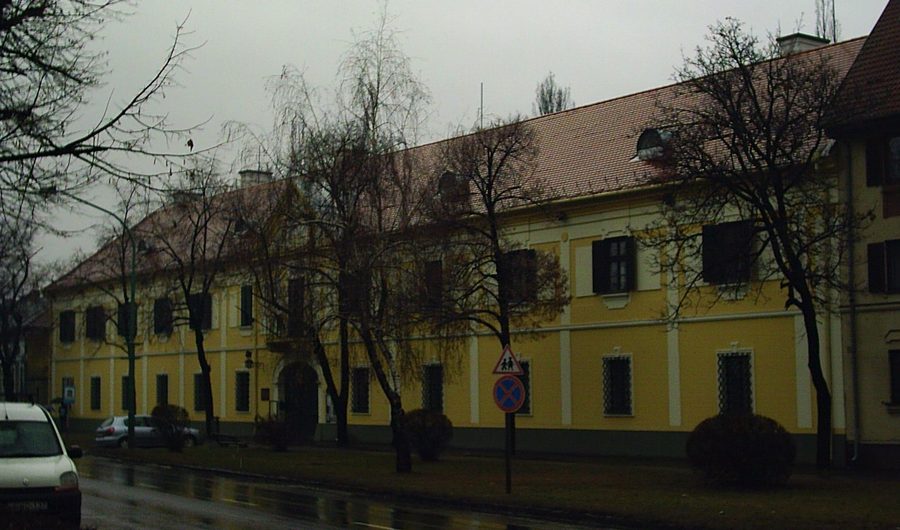
Museums: from broad themes to individual stories
The Kiskun Múzeum presents art, archaeology, history and ethnography in its permanent exhibition. These themes offer different perspectives on culture and the past. The museum’s open-air section also includes a reconstruction of a pit house from the Árpád period. It illustrates how homes were built between the 11th and 13th centuries.
The Petőfi Sándor Emlékház focuses on a different perspective: its permanent exhibition is devoted to the family history and life of the poet, as well as the local cult of Petőfi. The Prison Museum, meanwhile, is now housed in the former prison of the Kiskun Kapitányság. The cultural history themes therefore range from archaeological dwellings and a poet’s biography to the history of a prison building.
Exploring the city centre on foot
On the Belvárosi körséta, you can explore significant buildings, monuments and squares in the city centre. The route runs from the Art Nouveau town hall past bourgeois houses and public buildings, monuments, sculptures, churches, schools and leafy squares, ending at the railway station. This offers a succession of different buildings and public spaces, rather than focusing on a single building. Check locally in advance for the tour’s current arrangements.
When choosing your holiday apartment, the kind of stay you are looking for can be a helpful consideration: would you mainly like to discover museum exhibits, explore the centre on foot, or include landscapes in your plans as well? The themes mentioned offer different points of reference, without requiring you to combine them into a set circular route.
Borsi-halom as a landscape feature
Borsi-halom is located within the territory of Kiskunfélegyháza. The intact hill is covered with dry grassland. This provides a landscape counterpoint to the museum and urban history themes. Those interested in the character of a landscape will find a different point of interest here than in the exhibitions or on a walk through the city centre.
More themes in the broader destination of Bács-Kiskun
The broader destination of Bács-Kiskun also offers distinctive cultural and nature-related themes. In Tiszaalpár, the Tiszaalpár, Földvár educational trail introduces the history of the Bronze Age fortification of Tiszaalpári Földvár and the way of life of people in the Bronze Age. Tiszaalpári Földvár is a specially protected archaeological site in Bács-Kiskun; it was designated as such under Regulation 3/2003. (I. 25.) NKÖM. A reconstruction of an Árpád-period village, built in Tiszaalpár to mark the millennium, depicts the settlement structure discovered during local excavations.
In Kiskunhalas, the focus is on craftsmanship: at the Kiskunhalasi Csipkeház and Csipkemúzeum, visitors can learn about the history of Halas lace, which began in 1902, admire lacework dating back centuries and see the process of lace embroidery. This is a different cultural focus from the archaeological history of Tiszaalpár.
Bács-Kiskun offers further examples for nature enthusiasts. The Boróka educational trail in Bugac is 1,100 metres long and combines information boards with interactive features such as a forest xylophone and a play telescope. Lake Szelid is a natural oxbow lake that developed from a branch of the Danube after the Ice Age. The lake’s blue-green algae educational trail is accessible on foot and by bicycle all year round. Its twelve information stations cover the lake’s development, the characteristics of its water, the organisms that live there and the wildlife in the surrounding area.
Discover more destinations: Kunszentmiklós, Kiskunhalas.
See the broader travel overview: Bács-Kiskun.

