
Ering
Accommodation in Ering
Ering lies between the broad Inn Valley to the south and wooded hills to the north. Nature, hiking trails and historic buildings give the town a variety of facets: you can explore the landscape and the Naturium, or turn your attention to late Gothic churches and old timber houses. This combination makes Ering a destination for travellers who want to include nature experiences and culture in their holiday plans.
Nature on the Inn and routes through the region
The Naturium am Inn is a cross-border visitor, nature conservation and environmental education centre in Ering-Frauenstein. It is located in the centre of the Lower Inn European Reserve. The Naturium Ering is wheelchair accessible, and admission is free. Visitors who want to focus on nature and environmental education will find a specific place to start here. This focus may also be a deciding factor when choosing a holiday apartment if you plan to spend most of your time exploring nature-related topics.
A cycling route also passes the Naturium: the Römerradweg runs right by it. For hikers, the “Hiking between the Rott and Inn” project comprises 33 routes connecting Ering with Stubenberg, Rotthalmünster, Malching and Kößlarn. The Ho Chi Minh Trail runs between Ering and Stubenberg. These details describe different ways to experience Ering by bike or on foot; they do not specify route lengths or trail conditions.
Late Gothic churches and historic houses
The history of its buildings is also part of Ering’s distinctive character. The parish church of the Assumption of Mary is an important late Gothic church dating from around 1478. Above its portal is a Madonna of Mercy created in 1441. The Madonna was therefore made before the church, which dates from around 1478. Those interested in sacred art will find a striking detail at the church that can be distinguished from the building’s architecture.
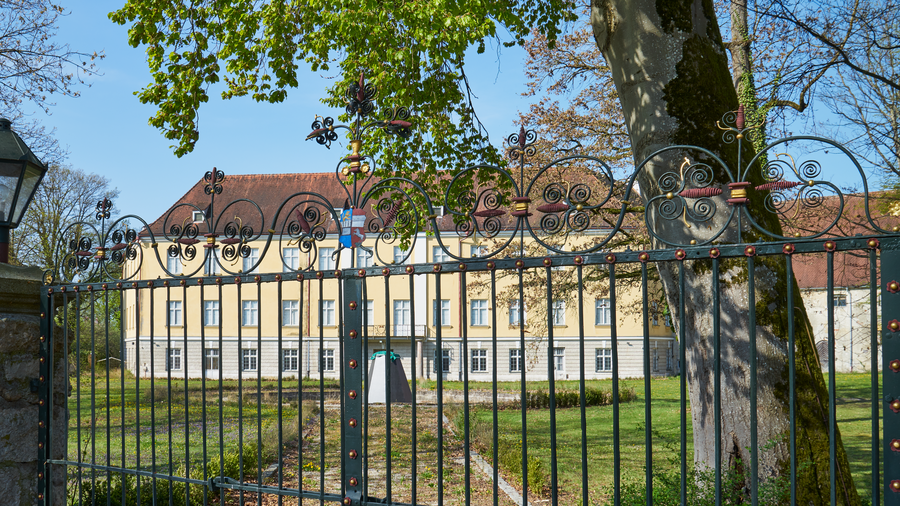
The pilgrimage church of St. Anna offers another insight into the history of the building and its furnishings: the late Gothic structure dates from 1520 onwards, while its furnishings are from the 17th century. Historic timber houses from the 16th and 17th centuries have also been preserved in Ering. Several periods are therefore represented side by side: the late Gothic churches, their individual furnishings and the surviving residential houses. Ering Castle is also part of the town’s history. It is a three-winged, three-storey residential complex from the 18th century, but it is privately owned and cannot be visited.
Which focus suits your trip?
If you mainly want to spend time outdoors, the Naturium, Römerradweg and hiking trails offer different themes to consider when planning your trip. Those more interested in history and architecture can focus on the churches and surviving timber houses. When looking for a holiday apartment, it helps to first consider which of these interests you want to shape your days in Ering. Do not plan to visit the castle.
Discover more places
If you would also like to explore other places, here are some more destinations: Pfarrkirchen, Wurmannsquick, Bayerbach, Dietersburg, Schönau, Rimbach, Simbach Am Inn and Arnstorf.
For the main travel overview: Rottal-Inn.

_Schlo%C3%9Fring_1_Ering.png)