
Holiday apartment in Esbjerg
Accommodation in Esbjerg
Esbjerg is more than a starting point for finding accommodation: this harbor city in southwest Jutland combines maritime history, urban green spaces, and access to the Wadden Sea. That means you can bring culture, nature, and coastal experiences together in one trip with your family, without limiting yourself to just one kind of holiday.
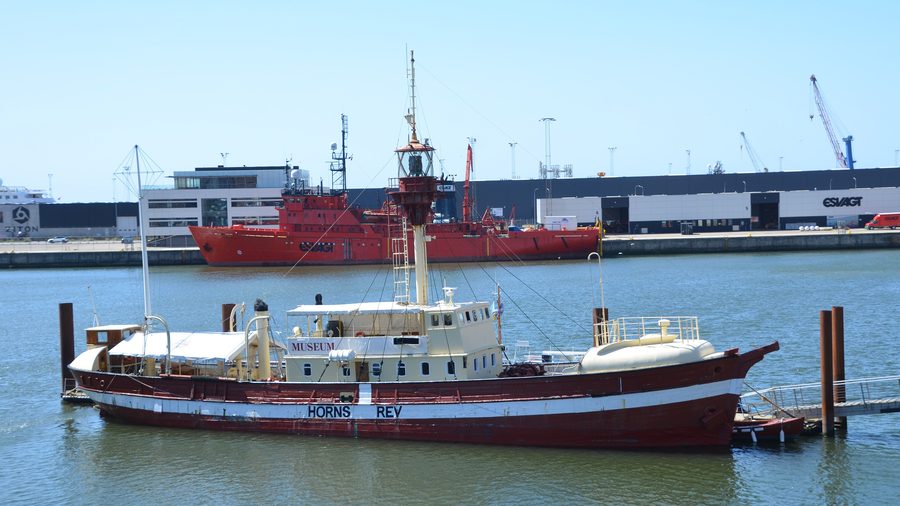 Das Feuerschiff Horns Rev im Dokhavn steht beispielhaft für Esbjergs maritime Stadtgeschichte.
Photo: Hjart via Wikimedia Commons, CC BY-SA 4.0
Das Feuerschiff Horns Rev im Dokhavn steht beispielhaft für Esbjergs maritime Stadtgeschichte.
Photo: Hjart via Wikimedia Commons, CC BY-SA 4.0
Quick facts about Esbjerg
- Esbjerg’s urban history is closely tied to harbor construction from 1868 onward and to maritime development.
- The region combines a harbor city, green and natural spaces, and access to the Wadden Sea coast.
- The Wadden Sea is shaped by the tides and described as a UNESCO World Natural Heritage site.
- According to the regional information available here, Esbjerg is connected to InterCity and regional train services as well as regional bus services. You should check current timetables before traveling.
Harbor city with access to nature
The harbor shapes Esbjerg’s identity and makes the city’s history immediately understandable. At the same time, green and natural areas are part of the urban landscape. For families, this creates a varied daily rhythm: maritime impressions and culture can be followed by an excursion into the coastal area or the Wadden Sea.
If you want to experience this mix as directly as possible, Esbjerg is the documented city- and harbor-oriented option within the page area. The focus there is on the harbor city, cultural offerings, and urban green spaces, while nature excursions remain part of the broader travel planning.
Experience the Wadden Sea and coastal landscape
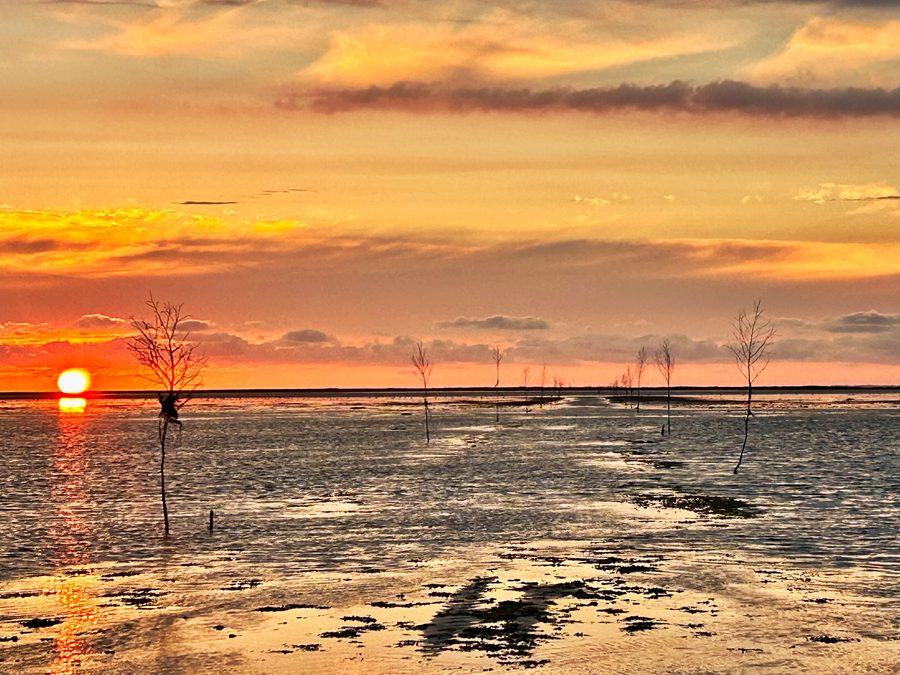
The Wadden Sea shapes the coastal landscape with its changing tides and expansive scenery. Especially for shared nature days, this area offers a clear contrast to the city program. You should not treat nature experiences as a fixed itinerary: access, conditions, and possible offers depend on the circumstances and must be checked locally or at the time of travel.
As a coastal alternative, Sjælborg can be classified cautiously. The verified classification refers to its coastal or beach connection; no specific routes, other local features, or ranking relative to Esbjerg can be inferred from it.
A cultural idea for changeable weather
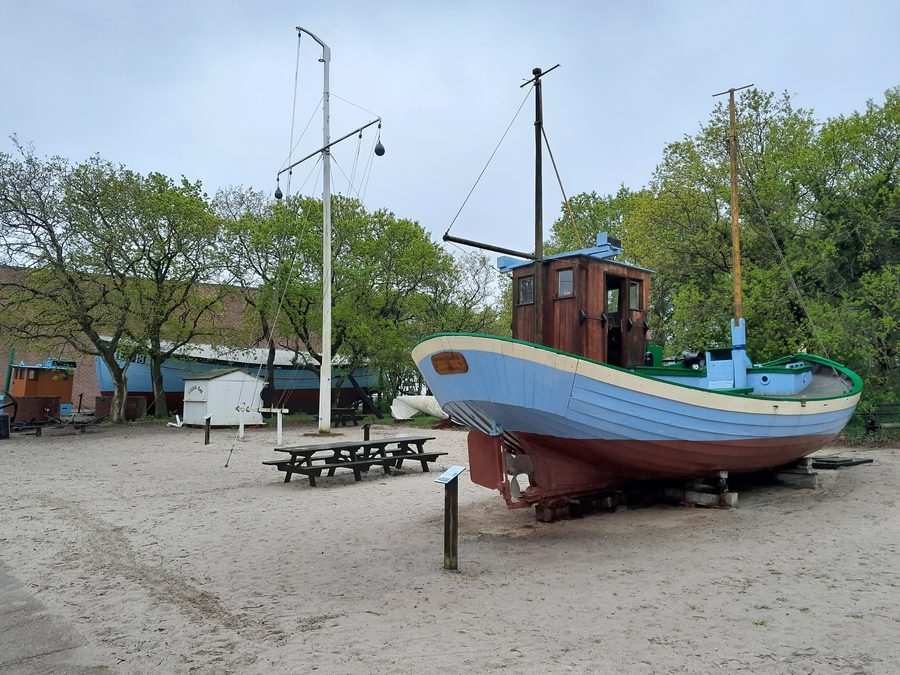
The Fisheries and Maritime Museum is described as interactive and family-friendly, combining natural and cultural history. That makes Esbjerg a weather-flexible idea when a day by the water does not suit the weather. Cultural and music offerings also complement the city program; you should check current exhibitions, events, and opening hours before visiting.
For families with children of different ages, this combination is especially practical to plan: you can alternate between days out in nature and an indoor cultural attraction without drawing any general conclusion for every weather condition or every age. A holiday apartment or holiday home can help keep day-to-day planning flexible between the city, the coast, and indoor options. You should check which facilities are actually available at each individual property.
Esbjerg, Ribe, or another base?
Ribe, Esbjerg, and Fanø are regarded as different destinations within a shared Wadden Sea and excursion area. Ribe is therefore an independent regional excursion destination alongside Esbjerg, not merely another district. Esbjerg stands more strongly for a harbor city and an urban cultural and natural profile; Ribe complements the trip as a separate destination in the regional excursion area.
If you want to combine several of these destinations, the base should suit your means of transport and your daily rhythm. Train and regional bus connections are mentioned for Esbjerg, but exact travel times, service frequency, and reachability of individual places cannot be generalized. Check current connections before booking and allow for sufficient mobility flexibility.
You can find more places in the associated page area here: Ålbæk, Astrup, Bramming, Egebæk, Endrup, Gørding, Gredstedbro, Hostrup, Nørre Farup, Omme, Seem, Store Darum and Vilslev.
Choosing the right accommodation location
The most important decision is the experience profile of your trip. Choose the accommodation location according to whether the focus is on the harbor city and culture or whether you place more emphasis on the coastal and landscape connection. For a mixed plan involving Esbjerg, Ribe, and other regional destinations, transportation and current connections should also factor into the choice of location.
You can then compare the regional context further via South Jutland. In this way, Esbjerg remains visible as a contrasting experience area while you choose accommodation based on your preferred mix of city, coast, nature, culture, and flexible family planning.
Frequently asked questions about Esbjerg
What makes Esbjerg special as a travel destination?
Esbjerg combines a harbor city, maritime history, green spaces, and access to the Wadden Sea. This city-nature contrast shapes the stay.
What weather-flexible family ideas are there in the Esbjerg area?
The Fisheries and Maritime Museum is described as interactive and family-friendly. Cultural and music offerings complement the city program; you should check current information.
Should accommodation be in Esbjerg, by the coast, or in the Ribe area?
Esbjerg stands for the harbor city and culture, Sjælborg can be regarded cautiously as a coastal option, and Ribe is a separate regional excursion destination. Transportation and current connections should help determine the choice.


.jpg)
