
Discover Denmark
Accommodation in Denmark
Denmark makes choosing a holiday focus especially varied: according to VisitDenmark, the sea is never more than 50 kilometres away, and islands, natural regions and cities sit alongside one another with very different travel settings. Families who want to combine beach days, time outdoors, culture and flexible days will find not just one destination here, but several clearly different ways to experience the country.
At a glance
- The North Sea and the Baltic Sea create two distinct coastal landscapes: the North Sea is described as wild, the Baltic Sea as calmer.
- Beaches and dunes make the coast the obvious setting for days by the water.
- Cycling is one of the highlighted ways to explore Denmark actively; hiking, fishing and water sports are also mentioned.
- Dark Sky Parks offer a special addition to daytime experiences in spring: clear nights and the starry sky.
- Funen combines castles and manor houses, beaches and locally produced delicacies.
- Bornholm pairs bright beaches with striking granite cliffs in an unusual island contrast.
- Zealand brings together sandy beaches and nature with small-town charm and big-city energy.
- Copenhagen combines harbour bathing with the experience of a bike-friendly city.
Coast, islands and time outdoors
For many families, the Denmark idea begins by the sea. It is worth distinguishing between the different coastal settings: on the North Sea, wilder impressions and dunes come to the fore, while the Baltic Sea appears calmer in the official description. Both areas offer beach and water experiences, but they feel different. That helps more with the first decision than any general recommendation: should the holiday be shaped mainly by the open coastal feeling, or by an island and Baltic landscape with small towns and additional day-trip ideas?
Even away from the beach, Denmark remains a country for shared outdoor activities. Cycling, hiking, fishing and water sports are among the experiences described. A holiday day can therefore begin actively and end later with calmer time indoors. This mix is especially practical for families with different interests, because not every day has to follow the same rhythm. In spring, Dark Sky Parks also provide a reason to look up at the sky after dark.
Island landscapes with their own character
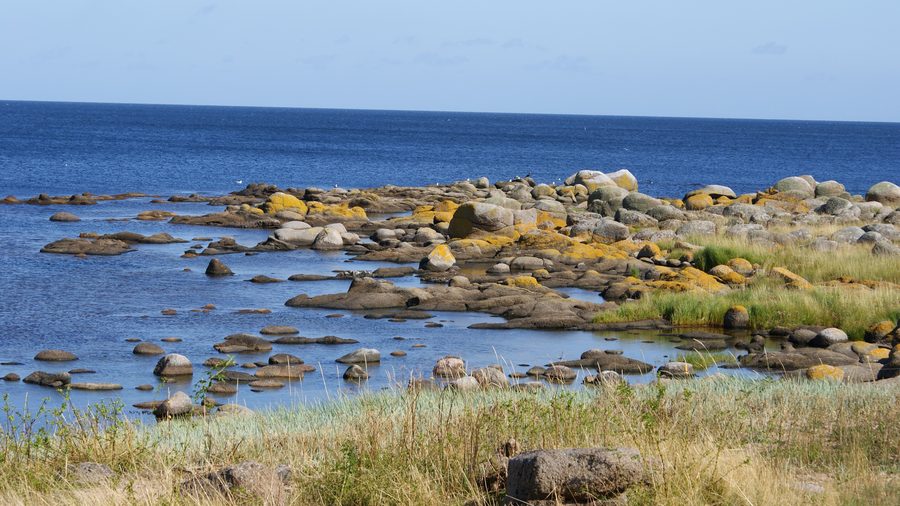
The Danish islands are not a single uniform travel picture. On Bornholm, bright beaches meet granite cliffs and local delicacies. Funen combines beaches with castles and manor houses, as well as locally produced goods. The Danish Baltic Sea islands also stand for coastal landscapes, small towns, and cycling and hiking ideas; regional culture and history are part of this island experience too.
This makes choosing a base more concrete: an island base works well if the holiday should be shaped by coast and island atmosphere. On Funen, the emphasis shifts more toward cultural traces and the coast, while Bornholm offers a particularly striking landscape idea through the contrast between beach and granite. For the South Denmark Islands, the broader island-and-coast framework with nature, small towns and movement remains the right orientation.
Jutland, Zealand or the city?
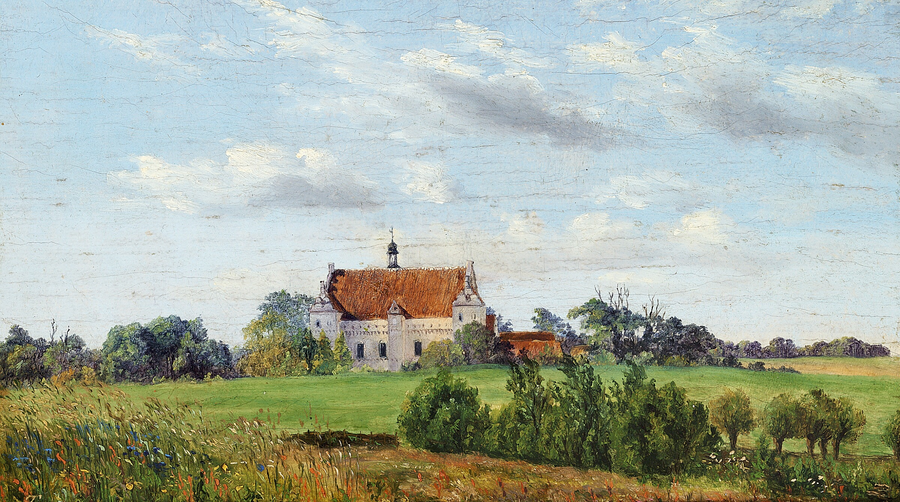
Central Jutland can be linked with Aarhus and its surroundings through lakes, forests and coast, as well as art, architecture and culture. Northern Jutland is part of the broad Jutland travel area, which according to VisitDenmark stretches from Skagen in the north to Sønderborg in the south. If you choose Jutland as your focus, you should first decide whether the holiday should be shaped more by coast, nature, city or cultural impulses.
Zealand is appealing if you want nature and coast to come together with small-town charm and big-city energy. The connection to Hovedstaden leads more toward Copenhagen: harbour bathing and experiencing the city by bike create a more urban emphasis. Rømø and Southern Jutland are also part of the Danish selection and can be explored further as distinct regions.
Choose accommodation based on the kind of day you want
The location should follow the setting you actually want to use. A coastal base makes sense when beaches, dunes, water activities or long stays by the sea are what define the holiday. It is worth looking at the coastal setting you prefer: the North Sea and the Baltic Sea create different maritime impressions.
An island base suits a stay that combines coastal scenery, small towns, cycling or hiking days and, depending on the island, cultural features. Those who want to combine nature and city visits can consider Zealand or the Hovedstaden area. For a city-and-culture focus, Copenhagen offers a different daily rhythm from a quieter coastal or nature location. Check the exact location of the accommodation if you want certain experience areas to remain accessible without frequent changes of base.
Frequently asked questions about Denmark
Which landscapes and types of trip can be combined in Denmark?
Coast, islands, active time outdoors and city or nature experiences can all be combined as different priorities. Cycling, hiking and water sports suit an active stay; Zealand and Copenhagen add nature, city and culture to a coastal focus.
Which region is better for an island experience, coast, or city and culture?
Bornholm offers the described contrast between bright beaches and granite cliffs, while Funen combines manor houses with beaches. Zealand stands for nature and city impulses, while Copenhagen places harbour and cycling experiences at the centre. Jutland opens up a broad travel area between north and south.
How do families choose the right base for active and varied days?
First identify the main experience areas: coast, island, nature or city. Then the accommodation should be in the place where that focus will shape the holiday. For changing interests, a base with links to nature and culture can be more useful than a location that only supports one daily plan.


