
Holiday apartment or holiday home in Deutschlandsberg
Accommodation in Deutschlandsberg
Deutschlandsberg combines the town and castle character of western Styria with vineyards, hills, meadows, and wooded upland landscapes. For families, this creates a varied travel plan: you can combine culture and regional specialities with days in nature and then choose your holiday apartment depending on whether the focus should be on the town itself or on the landscape experience.
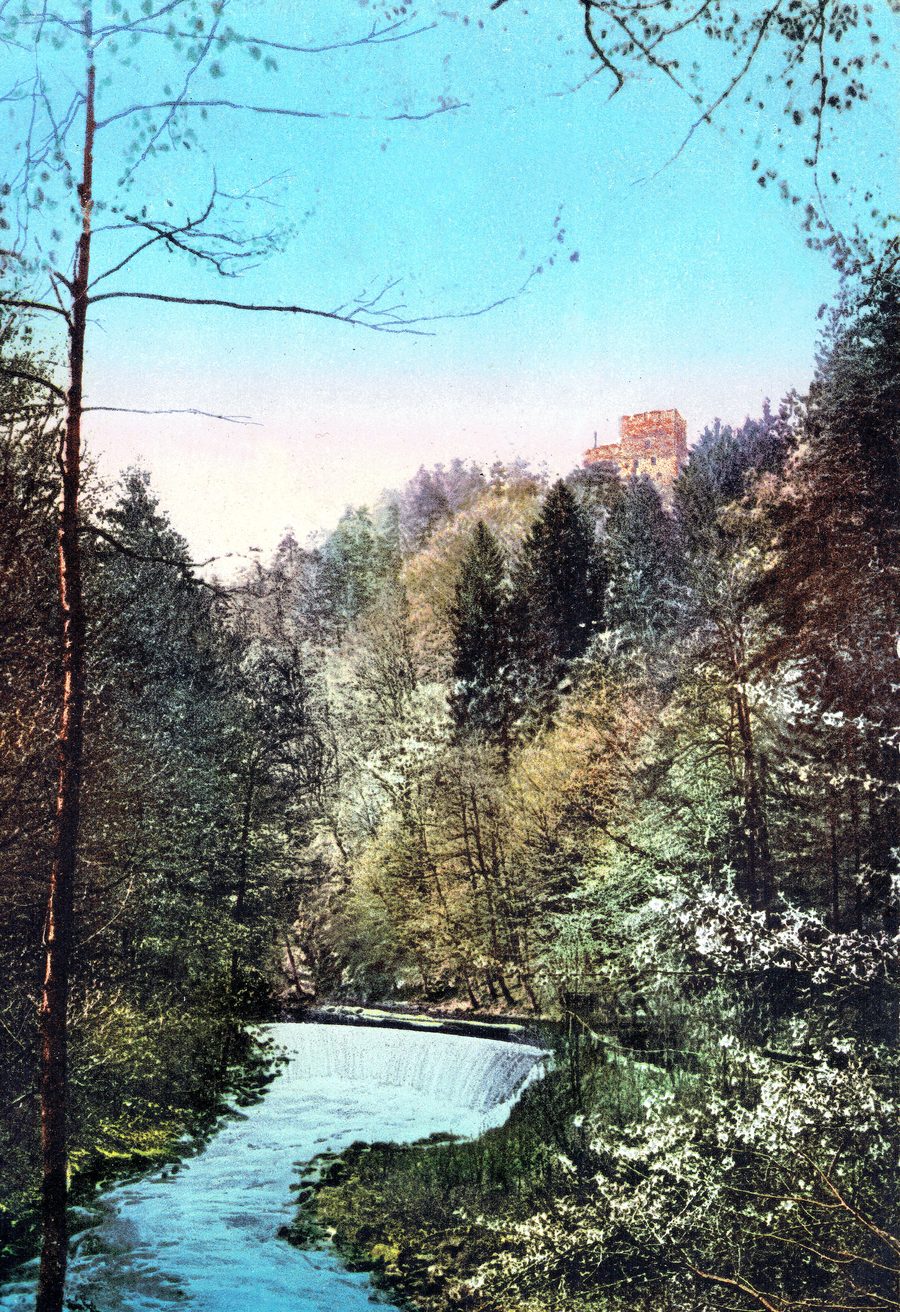 Burg Deutschlandsberg über der Laßnitz, gesehen auf dem Weg zur Einsiedelei.
Photo: unbekannt, für die Datei: Josef Moser via Wikimedia Commons, CC BY-SA 4.0
Burg Deutschlandsberg über der Laßnitz, gesehen auf dem Weg zur Einsiedelei.
Photo: unbekannt, für die Datei: Josef Moser via Wikimedia Commons, CC BY-SA 4.0
Photo: unknown, for the file: Josef Moser, source, CC BY-SA 4.0.
Quick facts about Deutschlandsberg
Regional character: The wine-growing and hilly country of western Styria meets forests and higher-lying natural areas.
Culture: Deutschlandsberg Castle shapes the townscape; the Archeo Norico Castle Museum makes the historical connection accessible to visitors.
Local specialities: Schilcher, pumpkin seed oil, and farm-based regional products are among the documented culinary themes.
Base choice: A more central location can be practical for self-catering and cultural interests, while a more rural location may be more focused on landscape and retreat.
Experience the castle and western Styrian culture
Deutschlandsberg Castle is the striking historical landmark above the town. At the Archeo Norico Castle Museum, the region's history becomes tangible through a concrete cultural offering. Other museums in the area convey agricultural, natural, cultural, and mining history. This makes it possible to plan a varied stay even when not every day is centered on an outing into nature.
For families, this change of pace is especially valuable: a museum day adds a shared theme to landscape experiences and can bring together different interests. The agricultural museum connects historical working life with wine-growing and Schilcher references; the description also highlights stops for children and young people. Current opening times and programs should be checked separately before your visit.
Schilcher and regional specialities
Schilcher is a characteristic wine reference of western Styria. The regional culinary picture is rounded out by pumpkin seed oil and farm products. These themes give your stay a culinary thread: you can include regional specialties in your excursion planning or use them to create shared meals at a self-catering holiday apartment.
If your family values eating together and a flexible daily rhythm, it is worth considering the desired cultural, landscape, and supply context when choosing a location. Individual offers, producers, or market dates are therefore not automatically documented in every place.
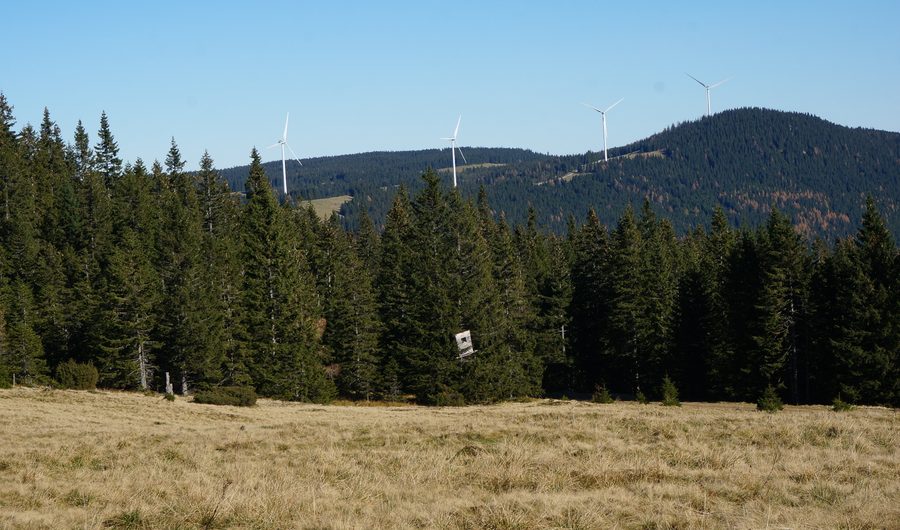
Photo: Naturpuur, source, CC BY 4.0.
Between wine country and higher nature
The landscape ranges from vineyards, meadows, and forests to higher natural areas. The Koralpe adds a mountain and nature region to the area; the Soboth reservoir is also mentioned as another excursion point. This allows you to weigh up enjoyable days in the wine-growing and hilly countryside against a more nature-oriented travel experience without having to define the entire region as a single holiday type.
A specific assignment of the individual local pages to these landscape images is not documented for all places. For your planning, the desired mix is therefore decisive: are you mainly looking for castle, culture, and regional specialities, or should the landscape shape your day? In changeable weather, it makes sense to combine nature days with the documented museum and cultural themes.
Which location is right for your holiday apartment?
Deutschlandsberg itself is documented as a town and cultural reference at the foot of the castle. A more central location can be organizationally practical if self-catering, restaurants, and the town's cultural setting are important. A more rural or higher-lying location may be better suited to a stay in which landscape and retreat set the rhythm. This implies neither short distances nor automatic suitability for a particular family or accommodation.
For that reason, include your individual day goals and your mobility in the choice. Anyone who wants to combine nature, culture, and enjoyment should choose a base from which these different building blocks can fit into their personal plan. Object-specific information on facilities, availability, or exact routes must always be checked separately.
Places in the Deutschlandsberg area
The following local pages help you refine your accommodation search in the Deutschlandsberg area. The names are canonically included here; no conclusions about the character of the place, landscape, quiet, proximity, or accommodation advantages can be drawn from the order or mere inclusion.
Aug, Bad Gams, Breitenbach in the West Styria, Deutschlandsberg, Dörfla, Eibiswald, Freidorf on the Laßnitz, Furth, Gamsgebirg, Graschach, Graschuh, Greisdorf, Groß Sankt Florian, Gundersdorf, Hollenegg, Hörmsdorf, Kornriegl, Kothvogel, Lamberg, Lannach, Lemsitz, Mainsdorf, Pölfing-Brunn, Pongratzen, Poppenforst, Preding, Sankt Anna Ob Schwanberg, Sankt Martin Im Sulmtal, Sankt Peter Im Sulmtal, Sankt Stefan Ob Stainz, Schwanberg, Soboth, Sommereben, Stainz, Steinreib, Trahütten, Trog, Wernersdorf, Wettmannstätten, Wetzelsdorf in the West Styria, Wiel, Wielfresen, Wies, Zehndorf and Zirknitz.
Deutschlandsberg is a subregion of Styria. For other regional starting points, you can also look at Styria.
Frequently asked questions about Deutschlandsberg
What makes Deutschlandsberg special as a travel destination?
The region combines Deutschlandsberg's town and castle character with the wine-growing and hilly landscape of western Styria, regional specialities, and higher-lying natural areas.
Which culture and culinary experiences can be combined with days in nature?
The castle museum and agricultural museum complement Schilcher, pumpkin seed oil, and farm-based regional products. This lets you combine ideas for culture and enjoyment with days in the landscape.
Which base is better: a town location or a rural landscape location?
A more central location can be more practical for self-catering and cultural interests; a more rural or higher-lying location is better suited to landscape and retreat. The exact suitability depends on the accommodation and travel planning.


,_Steiermark.jpg)