
Vacation apartment in Konya
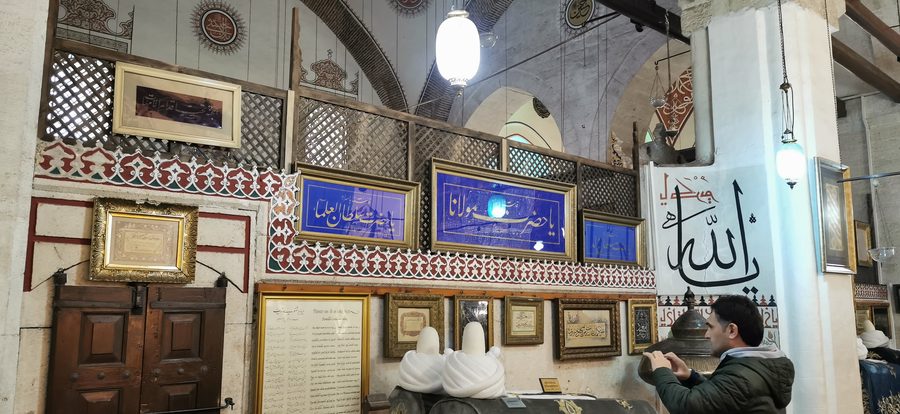 Das Mevlana-Museum steht exemplarisch für Konyas kulturelles und religiöses Erbe.
Photo: Murat Özsoy 1958 via Wikimedia Commons, CC BY-SA 4.0
Das Mevlana-Museum steht exemplarisch für Konyas kulturelles und religiöses Erbe.
Photo: Murat Özsoy 1958 via Wikimedia Commons, CC BY-SA 4.0
Konya combines Seljuk and religious history with museums, archaeological sites, traditional crafts, and a range of historically and scenically shaped destinations. For travel planning, the key question is therefore whether museums, Seljuk architecture, and Konya’s cultural profile should be the focus, or whether you want to combine several historical and scenic destinations.
Quick facts about Konya
- Konya has a clearly visible Seljuk heritage with mosques, madrasas, and other historic monuments.
- According to official historical classification, the region’s history reaches back roughly to the early settlement history of Anatolia.
- Çatalhöyük, a UNESCO World Heritage Site, is part of the province’s cultural profile.
- Several museums in the center and additional cultural points of interest in selected places complement the historical offering.
Culture and history as a travel experience
In central Konya, history is visible not only in individual buildings. The Seljuk heritage shapes the city’s historical identity and can be seen in mosques, madrasas, and other monuments. At the same time, Konya combines cultural tourism and religious tourism with a deeply rooted history. This makes the city a suitable focus for travelers who want to fill their stay with museums, historical impressions, and religiously influenced culture.
Several museums in the city center bring together different aspects of history, art, and local life. There are also cultural points of interest outside the center, including connections to Çatalhöyük and Akşehir. This mix offers different ways to experience the region: a museum day and the exploration of historic places each set their own emphasis, without tying the trip to a single attraction. You should check current opening hours, admission prices, and specific exhibitions before each visit.
Archaeology, places, and regional diversity
Anyone traveling to Konya as a broader cultural region can look beyond the city center. Officially named historical and archaeological destinations include Çatalhöyük, Kilistra, Eflatunpınar, and Karahöyük. In addition, the regional selection extends to protected nature and landscape areas. The destinations are not automatically within a shared day-trip radius; therefore, only plan places together if they suit your actual daily itinerary and mobility.
This creates two different travel approaches: a culturally oriented stay focuses on museums and historical attractions in the urban center. A broader regional trip combines the center with selected archaeological, historical, or scenic destinations. No ranking of places can be derived from this. What matters is whether you want to collect many cultural impressions in one focal area or combine different sides of Konya.
Traditions, crafts, and cultural impressions
Konya is also made tangible through traditional forms of cultural expression. The regional source highlights carpet weaving, pottery, calligraphy, folk performances, and Sufi music. These themes complement visits to museums and historic buildings by offering insights into craftsmanship, design, and religiously influenced culture. For joint travel planning, this allows you to combine different interests: while historical places convey the region’s timeline, crafts and music make cultural traditions more vivid.
Plan cultural encounters as possible parts of your trip without assuming specific performances, workshops, or open studios. A vacation apartment can be a sensible choice if you want to arrange your day flexibly between museum visits, historical destinations, and different daily interests. However, the actual amenities available always depend on the individual listing.
Which accommodation base suits your travel plan?
The choice of location should be guided by the main experience you want. If several museums, Seljuk architecture, and Konya’s cultural profile are the priority, a base in or near Konya is an obvious planning option. If, on the other hand, you want to combine several historically or scenically distributed destinations, check the location against the excursions and daily routes you actually intend to take.
This keeps the decision open without making vague location promises: the urban focus can suit a concentrated cultural program, while regional planning requires more coordination between individual destinations. For families with different interests, a varied combination of museums, historic places, and cultural themes is a good fit. Planning with both indoor and outdoor attractions also allows different daily interests to be taken into account; however, specific seasonal advantages of individual places cannot be inferred.
For regional orientation, in addition to Konya, the following places are also included: Ahırlı, Akören, Akşehir, Beyşehir, Cebrail Köyü, Çeltik, Doğanbey, Gökpınar Belediyesi, Gölyazı, Ilgın, Karabağ, Karapınar, Kayacık, Konya, Meram, Mevlana Mahallesi, Sarayönü, Sefaköy Belediyesi, Seydişehir, Tatköy, Turgut, and Yeniceoba Belediyesi.
For comparison with other parts of the broader region, you can also view the Turkish Riviera. Within Konya, you should choose accommodation not just by place name, but by whether it fits your planned cultural program, the regional destinations, and the desired level of daily planning.
Frequently asked questions about Konya
What makes Konya especially interesting as a travel destination?
Konya is particularly interesting because of its Seljuk and religious history, archaeological sites, museums, and traditional craft and music culture.
Is the city center or traveling through the province more worthwhile?
The center brings together several museums and historical cultural attractions. A trip through the province adds further archaeological and historical destinations. The right choice depends on your planned focus and mobility arrangements.
What cultural impressions can you expect in Konya?
Cultural impressions include historic Seljuk architecture, museums, and traditions such as calligraphy, pottery, carpet weaving, folk dance, and Sufi music. Specific performances or open workshops are not guaranteed.

