
Vacation apartment in Tokyo
Accommodation in Tokyo
Tokyo is not only a huge metropolis, but a mix of dense city life, distinct neighborhood characters, waterfront and island areas, and excursion destinations in the wider surrounding region. That is exactly why choosing the right accommodation location is especially worthwhile: if you are traveling with family, it makes a big difference whether you want lots of train travel and a very central location, prefer quieter days with parks and walkable routes, or like a more open feeling with water and space.
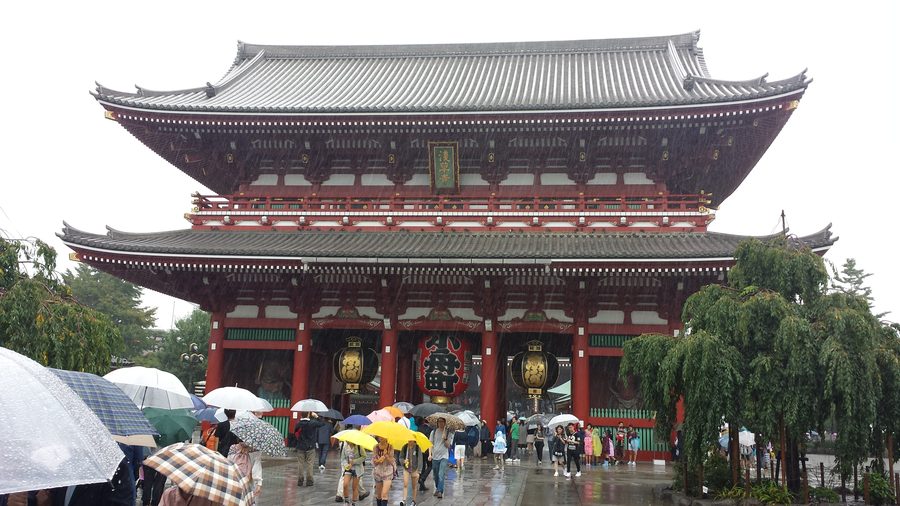 Sensō-ji in Asakusa, showing Tokyo’s traditional temple district.
Photo: Rickard Törnblad via Source, CC BY-SA 4.0
Sensō-ji in Asakusa, showing Tokyo’s traditional temple district.
Photo: Rickard Törnblad via Source, CC BY-SA 4.0
Quick facts about Tokyo
- Tokyo consists of many clearly different districts with their own character.
- Asakusa feels more traditional and quieter than many denser areas.
- Ueno is close to parks, flat, and easy to walk around.
- Tokyo Station is a very practical base for rail trips and day excursions.
- Tokyo offers families lots to do in any weather, from parks and museums to indoor and food experiences.
For families, the appeal lies precisely in these contrasts. In Tokyo, you can start the day in a very compact, lively environment and end up the next morning in a quieter district with more of a lived-in everyday feel. The right base therefore depends less on one overall best place and more on how much movement, proximity, and ease you want in daily life.
Which Tokyo area suits your family?
If you want to experience Tokyo as centrally as possible, the first places to look at are Chiyoda, Minato, Shibuya-ku, Shinagawa, Shinjuku, and Toshima. These areas suit a base where train access and a strong urban atmosphere matter more than quiet right outside the door. Chiyoda is the obvious choice if you are considering the practical logic around Tokyo Station.
If you are looking for a less hectic family feel, the inner-city residential and cultural districts are often more pleasant. Arakawa, Bunkyō, Itabashi, Meguro, Nakano, Nerima, Suginami, and Taitō represent a quieter everyday logic in the Tokyo context than the densest centers. Taitō is especially worth considering if you are thinking of Asakusa: there, Tokyo feels more traditional and quieter than many denser areas.
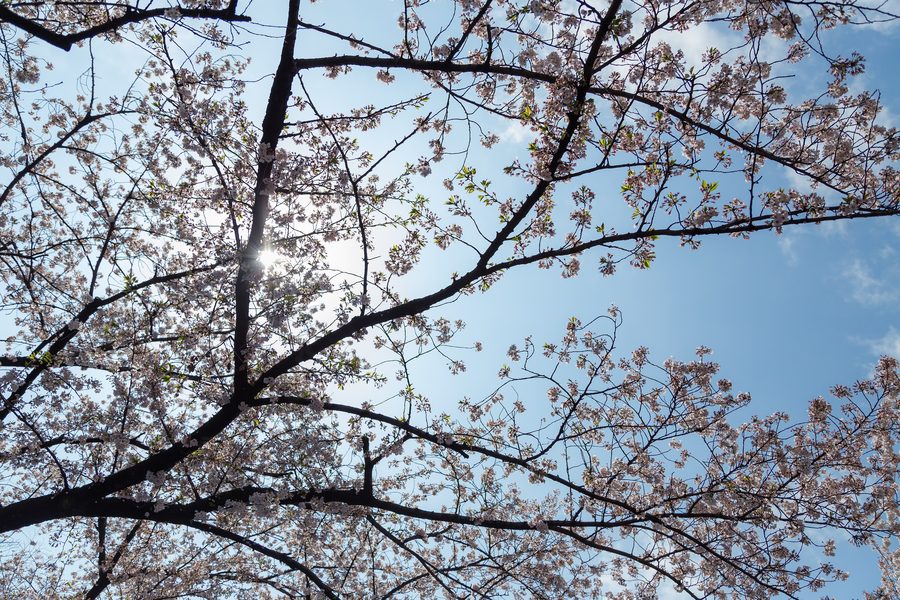
For families looking for a gentler daily rhythm, Ueno is the opposite: close to parks, flat, and easy to walk around. That makes the area easier to plan for walks and short distances than very dense city locations.
If you want a stronger sense of space, the eastern and southern areas are interesting: Edogawa, Kōtō, and Ōta. In the comparisons here, these areas feel a little more open and spacious than the densest core areas.
Odaiba feels more open and quieter, but is located a little away from the central Tokyo areas.
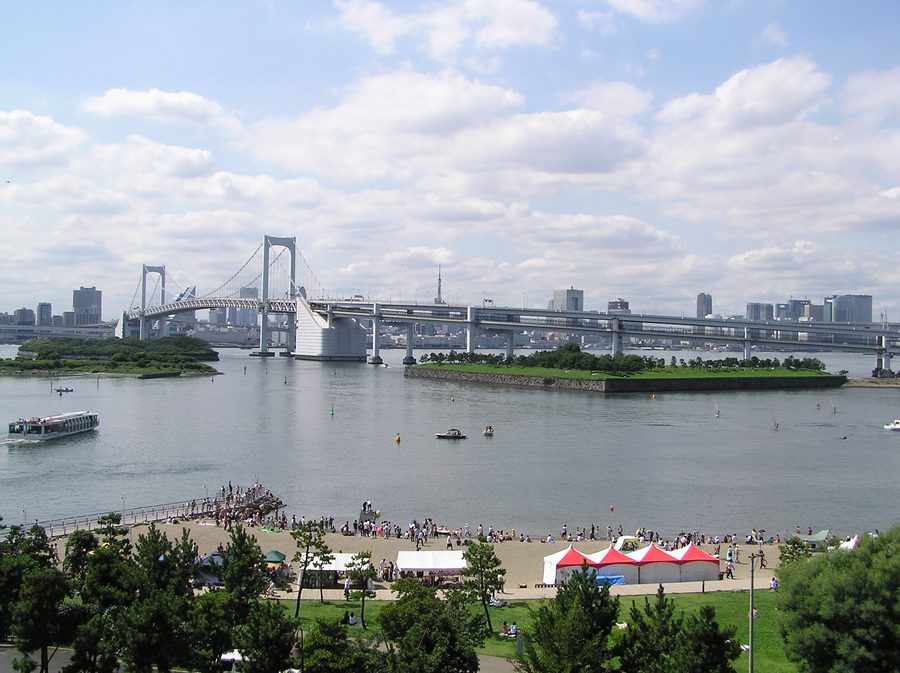
The location shapes the daily rhythm: central hubs reduce transfers, quieter districts slow the pace of the stay. Bases near parks and old-town areas are better suited to families with children who prefer easier days and more walking.
More Tokyo places in the region
If you think of Tokyo as a large region, the following groups help with orientation. The first two groups classify the inner-city areas by everyday feel, while the last group expands the selection.
Central and very well connected
For a dense city stay with plenty of rail logic, these places are the obvious points of comparison:
- Chiyoda, Minato, and Shibuya-ku
- Shinagawa, Shinjuku, and Toshima
Quieter inner-city and more residential
Compared with the centers, these districts are closer to a calmer everyday life in the city without losing sight of Tokyo:
- Arakawa, Bunkyō, and Itabashi
- Meguro, Nakano, Nerima, Suginami, and Taitō
A little more open in the east and south
In the comparisons here, these areas feel a little more open and spacious than the densest core areas:
- Edogawa, Kōtō, and Ōta
Other Tokyo places
The following places add to the selection if you are looking at Tokyo more broadly:
- Akiruno, Akishima, Chōfu, Fuchū, Fussa, Hachijo, and Hachiōji
- Hamura, Higashiyamato, Hino, Inagi, Kiyose, Koganei, and Machida
- Musashino, Nozawa, Ogasawara, Okutama, Ōshima, Oume, Tachikawa, and Tama
If you want to place Tokyo in the broader national context, go up one level from Accommodation in Japan. When choosing your accommodation in Tokyo itself, the key question remains: central and connected, more traditional and quieter, or more open with a greater sense of space?
Frequently asked questions about Tokyo
Which parts of Tokyo are best for families?
Families often benefit from a location that combines good transport connections with a manageable daily rhythm. Depending on your preferences, central hubs, quieter districts, or somewhat more open areas may be a better fit.
How does Asakusa differ from central Tokyo districts?
Asakusa feels more traditional and quieter than many denser areas. That contrast is exactly what makes the district interesting as a place to stay.
What makes Tokyo interesting even with children?
Tokyo offers families lots to do in any weather, from parks and museums to indoor and food experiences.
Is a central or quieter base location more sensible?
It depends on how much big-city atmosphere, calm, and mobility you want in daily life. Central locations reduce transfers, while quieter districts slow the pace of the stay.


_blooming_in_Ueno_Park_in_Tokyo,_Japan_20140404022848_(26237175271).jpg)
